The Evolution of Digital Credential Systems with Blockchain
 Everycred4 min read·Just now
--
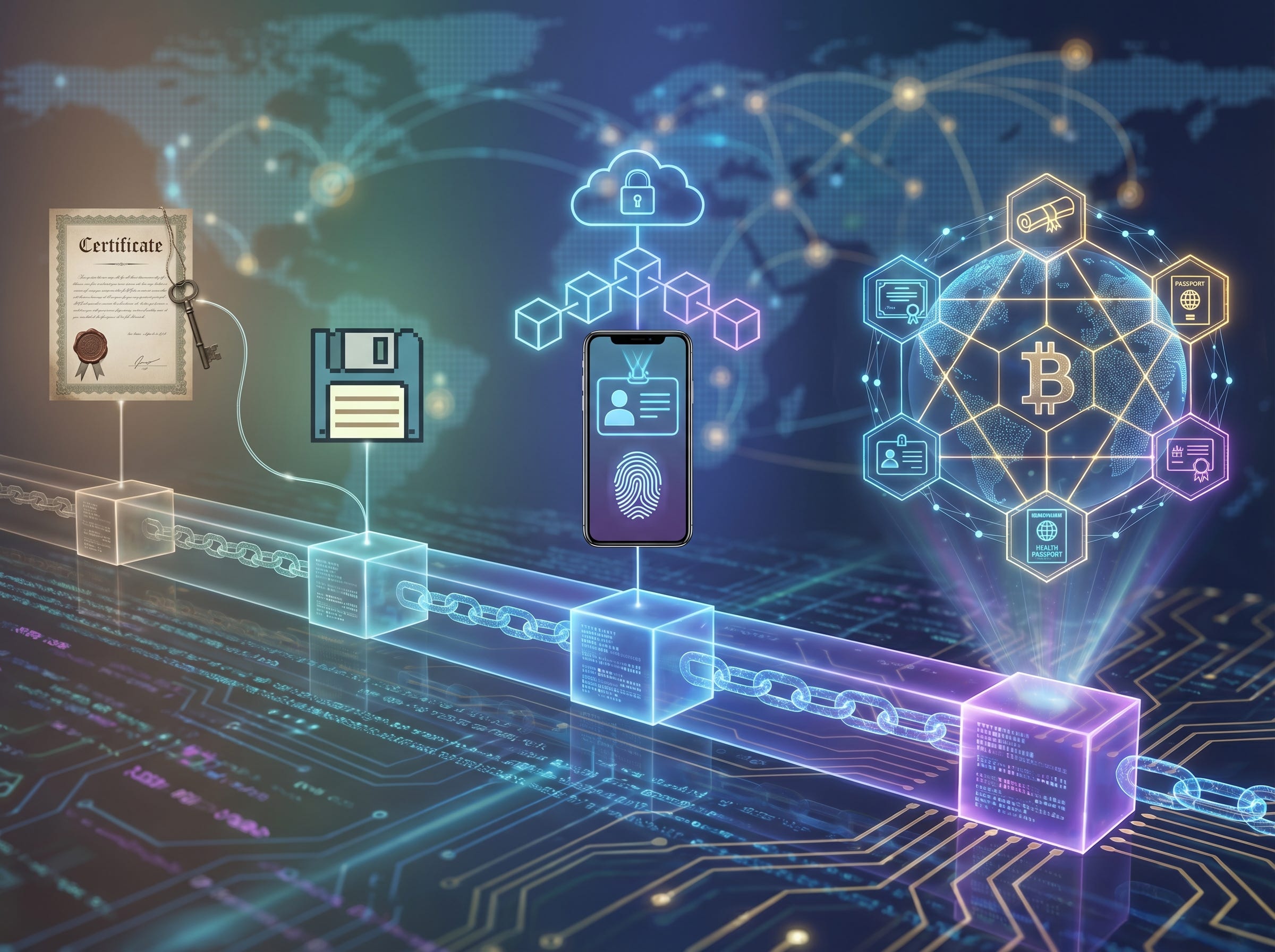
Credentials have always played a critical role in how trust is established. From paper certificates to digital records, they serve as proof of identity, qualification, and authorization. But as systems have become more digital and interconnected, traditional credential management methods have struggled to keep up.
Today, a new phase is emerging , one where blockchain is reshaping how digital credential systems are designed, managed, and trusted.
From static records to dynamic credentials
In the past, credentials were static. A certificate or ID was issued, stored, and manually verified when needed. Even as systems became digital, the underlying approach remained largely the same. Credentials were still stored in centralized databases, and verification required time, effort, and trust in the issuing authority.
This model worked when systems were isolated. But in modern digital ecosystems, where users interact across multiple platforms, it creates inefficiencies. Repeated credential verification, delays in validation, and the risk of forgery have made traditional systems less reliable.
The need for a more dynamic and secure approach has led to the rise of digital credential platforms.
The role of digital credential platforms
Digital credential platforms and digital credential software provide a structured way to issue, store, and verify credentials. They enable organizations to create digital certificates, digital badges, and digital id cards that can be accessed and shared easily.
Credential management becomes more efficient, and credential verification becomes faster. Instead of relying on manual checks, systems can validate credentials in real time.
However, even with these advancements, a key challenge remains ensuring that credentials are authentic and cannot be altered.
Blockchain as a foundation for trust
Blockchain identity solutions address this challenge by introducing a tamper-proof layer to digital credential systems.
Blockchain credentials are recorded in a way that ensures they cannot be modified once issued. This provides a level of integrity that traditional systems cannot guarantee. Organizations can rely on blockchain identity verification to validate credentials instantly without depending on centralized databases.
This shift reduces fraud, increases transparency, and builds stronger digital trust.
Moving toward decentralized identity
One of the most significant changes enabled by blockchain is the concept of decentralized identity.
In traditional systems, identity data is stored across multiple platforms, often without user control. Decentralized identity changes this by allowing individuals to manage their own credentials and share them selectively.
This approach enhances privacy while maintaining security. Users can present verified credentials without exposing unnecessary information, and organizations can trust the data they receive.
Digital identity management solutions built on decentralized models are helping create more user-centric systems.
The impact on verification processes
Blockchain is not just improving credential storage , it is transforming how verification works.
With blockchain identity verification, credentials can be validated instantly. There is no need for back-and-forth communication between issuing authorities and verifying organizations. This speeds up processes such as onboarding, hiring, and compliance checks.
Identity proofing software can integrate with these systems to ensure that credentials are issued accurately in the first place, while digital trust platforms ensure that they are accepted and trusted across ecosystems.
Applications across industries
The evolution of digital credential systems is already having a visible impact across industries.
In education, institutions are issuing digital certificates that can be verified globally. In the workplace, organizations are using digital badges to represent skills and achievements.
In government, digital government transformation initiatives are leveraging digital government solutions to issue digital id cards and manage citizen credentials more efficiently.
Across all these sectors, the common goal is to create systems that are faster, more secure, and easier to scale.
Challenges and considerations
Despite its potential, the adoption of blockchain in digital credential systems comes with challenges.
Interoperability remains a key issue. For credentials to be widely useful, they must be recognized across different platforms and systems.
There are also concerns around user adoption and understanding. New technologies require education and trust-building before they can be widely accepted.
Privacy must also be carefully managed, especially in systems where sensitive identity data is involved.
The future of digital credential systems
Looking ahead, digital credential systems will continue to evolve toward models that are:
- Decentralized and user-controlled
- Tamper-proof and secure
- Interoperable across platforms
- Automated and scalable
Blockchain will play a central role in enabling these capabilities, but it will work alongside digital credential platforms, digital trust services, and identity management systems to create a complete ecosystem.
Final thoughts
The evolution of digital credential systems with blockchain represents more than just a technological advancement , it reflects a shift in how trust is established in digital environments.
By combining digital credentials, blockchain identity solutions, and decentralized identity models, organizations can create systems that are more secure, efficient, and user-friendly.
As digital ecosystems continue to grow, the ability to issue, manage, and verify credentials seamlessly will become a critical factor in building trust at scale.
If you’re exploring how to implement blockchain-based credential systems, enhance credential verification, or build a secure digital identity platform, you can connect with us. A quick conversation can help you take the next step toward creating a more reliable and future-ready credential ecosystem.