The End of the Hype Era: Why 2026 Is the Year of Invisible Blockchain Infrastructure
 MichaelB4 min read·Just now
--
For many years, cryptocurrencies were driven mainly by attention.
New projects appeared almost every day, social media was filled with promises of financial revolutions, and a large part of the market functioned primarily on speculation.
That alone is not surprising. Every new technology goes through a phase of exaggerated expectations. But in 2026, it is becoming increasingly visible that hype alone is no longer enough.
As blockchain adoption continues to grow, it is also becoming clear that neither hype nor technology alone automatically creates long-term value.
This raises an important question:
What actually gives a cryptocurrency long-term value?
The Market Is Starting to Look at Different Things
A few years ago, it was often enough to have:
- a strong marketing team
- an aggressive community
- influencer support
- and promises of future disruption
Today, however, that approach is slowly becoming less effective.
As regulations around the world continue to evolve, investors are increasingly paying attention to:
- tokenomics
- real-world utility
- transparency
- decentralization
- and long-term sustainability
Tokenomics in particular is proving to be one of the biggest challenges in the current market.
Many projects operate in a way where:
- a large percentage of tokens are held by insiders
- massive unlocks create continuous selling pressure
- and the price of the token often becomes disconnected from the actual usefulness of the technology itself
This creates a strange situation:
a project may continue to develop technologically while its token struggles to reflect that progress.
Utility Is Becoming More Important Than Marketing
This is exactly why utility is becoming a much bigger topic today.
Not utility as a marketing slogan, but actual blockchain usage:
- digital payments
- tokenized assets
- certification
- digital ownership
- commerce infrastructure
- and transparent data verification
This is a major difference compared to the period when much of the market functioned mainly as a speculative casino.
Blockchain does not have to exist only as a tradable asset.
It can also function as:
- a settlement layer
- a trust layer
- a verification infrastructure
- or the foundation of a digital economy
And this is where projects focused on building real infrastructure instead of pure hype start to become increasingly interesting.
Real-World Assets and Intellectual Property Tokenization
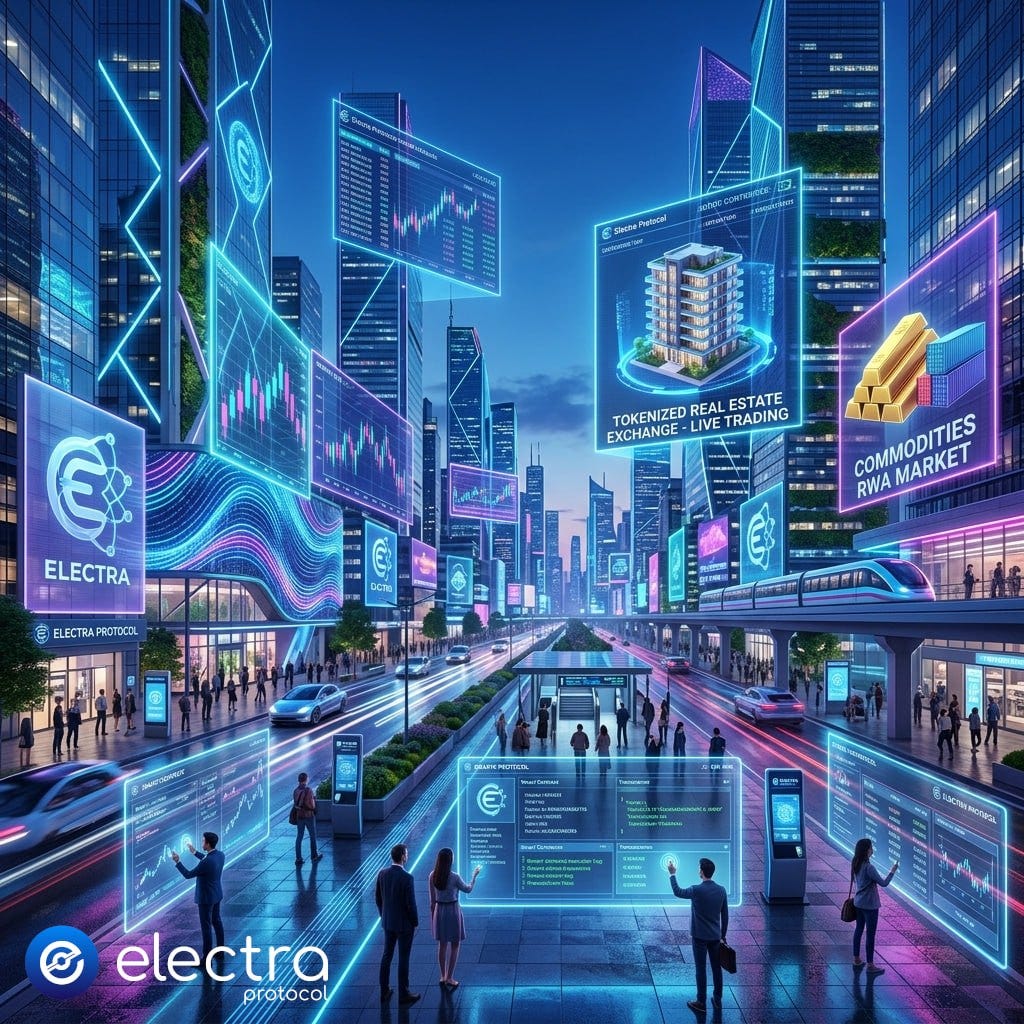
One of the most interesting developments in recent months has been the rise of RWA — Real-World Assets.
In other words, the effort to connect blockchain technology with real assets such as:
- real estate
- commodities
- legal documents
- licenses
- or intellectual property
Intellectual property in particular is an area where blockchain can provide very practical value.
For example:
- transparent timestamping
- immutable history
- ownership verification
- and digital certification of documents
An interesting example of this direction is the recent collaboration between Evoblox and Patai, which uses Electra Protocol blockchain infrastructure for certification and tokenization of patent-related data through eNFT technology.
Unlike speculative NFT collectibles, these eNFTs are designed as digital certification tools for real intellectual property and legal verification.
This is not a typical “crypto use case,” but rather a connection between blockchain and real business and legal environments.
And that may be one of the important signals showing where part of the market is gradually moving.
Regulation May Become a Filter, Not the End of Crypto
For many years, a large part of the crypto community viewed regulation primarily as a threat.
But in 2026, it is becoming increasingly visible that regulation will probably not mean the end of blockchain — but rather a filter.
Projects built purely on hype may struggle to survive in an environment where:
- transparency
- decentralization
- auditability
- and clear economic logic
become increasingly important.
Some infrastructure-focused blockchain projects are already aligning themselves with financial communication standards such as ISO 20022, signaling a stronger focus on long-term interoperability and institutional compatibility.
Meanwhile, infrastructure focused on:
- utility
- commerce
- certification
- payments
- and digital trust
may start gaining far more importance than in previous years.
A More Mature Phase of Crypto May Be Beginning
The market may slowly be moving away from:
- pure speculation
- hype cycles
- and endless marketing narratives
toward something more sustainable.
Not every project will survive this transition.
But that is exactly why it may become increasingly interesting to watch projects that:
- continue building infrastructure
- expand real-world utility
- and focus on connecting blockchain technology with everyday use
Because the most important blockchain projects of the next decade may not necessarily be the loudest ones.
They may simply become the invisible infrastructure quietly powering real digital services in the background.
Final Thought
Will the next decade be dominated by the loudest projects, or by those that solve the invisible friction of our digital economy?
What is your take on the shift from hype to utility?