The Digital Exchange Survival Blueprint: Navigating the 2026 Geopolitical Storm
--
The world is stumbling. As the conflict between Iran, Israel, and the U.S. intensifies, the global financial map is fracturing in real-time. For those of us running or launching exchanges in 2026, the “move fast and break things” era is officially dead. It has been replaced by the era of Institutional Resilience.
If you are an exchange owner today, you aren’t just a tech provider; you are a de facto guardian of sovereign wealth. Here is the reality of the crisis and the strategic pivot required to ensure your platform isn’t the next one to be “ditched” by the market.
1. The “Neutrality” Trap: Compliance is the New Infrastructure
In earlier cycles, “neutrality” meant staying out of politics. In 2026, neutrality is impossible. The giant “Exchange Titans” — Binance and Coinbase — have already shown us the playbook for surviving this war: Hyper-Compliance as a Shield.
- The Binance Pivot: Notice how Binance responded to the March 2026 Congressional inquiries. They didn’t just defend their tech; they highlighted a 97.3% reduction in exposure to high-risk regional exchanges.
- The Lesson: If you want to stay relevant, your compliance isn’t a “department” — it is your core infrastructure. Use AI-driven geolocation and VPN-combating tools to ensure you aren’t inadvertently funding a side of the conflict that will get your domain seized or your bank rails cut.
2. Moving from “Liquid” to “Resilient”
War causes “flash-volatility.” We’ve seen Bitcoin act as a resilient hedge, with ETF inflows staying positive even as missiles fly. But for an exchange owner, the danger isn’t the price; it’s the liquidity gap.
- The Strategy: Giants are moving away from monolithic liquidity. They are integrating Multi-Party Computation (MPC) and Proof-of-Reserves directly into the trade flow.
- The Move: Stop relying on a single market maker or a single jurisdiction for your liquidity. In 2026, a “Resilient Exchange” can settle trades even if a major regional data center goes dark or a specific fiat-to-crypto ramp is sanctioned overnight.
3. The “Sovereign User” Mandate
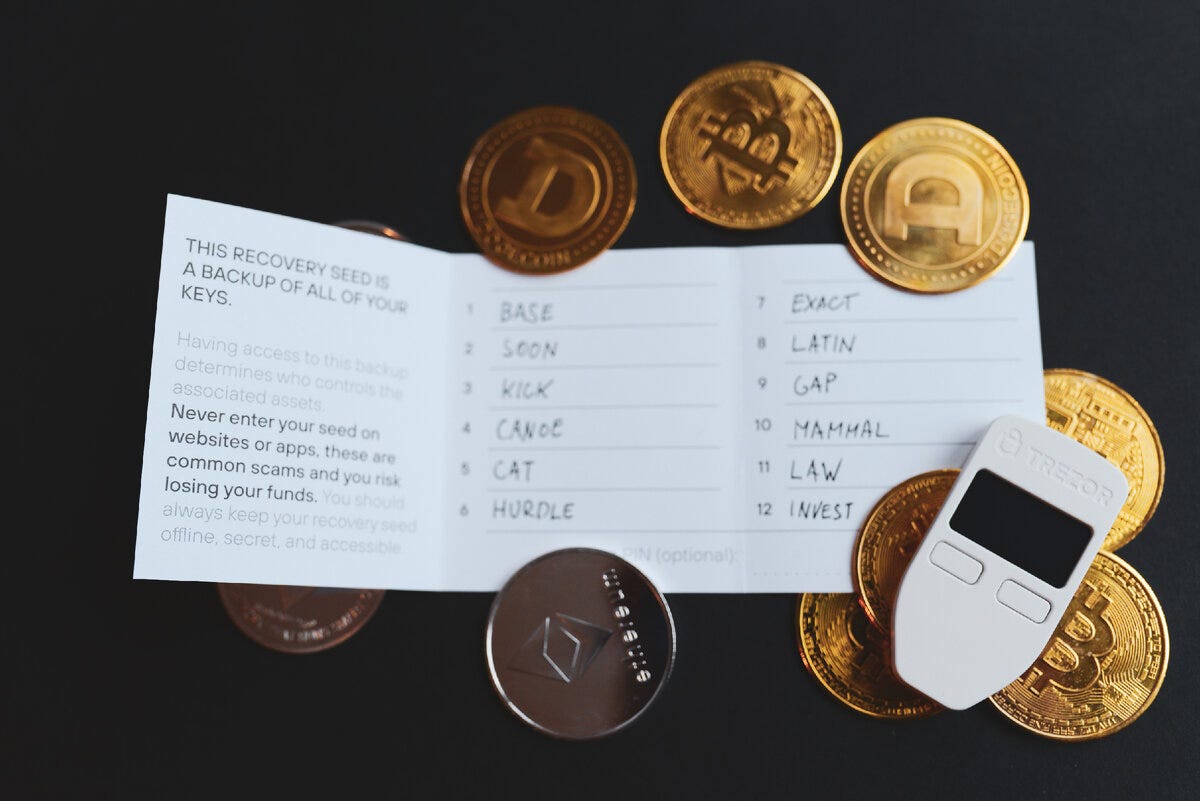
The biggest mistake you can make right now is treating your users like “customers.” In a war zone, they are Sovereign Actors. * The Trend: We are seeing a massive shift toward Hybrid structures (HEX). Users want the speed of your matching engine but the safety of their own keys.
- The Action: If your exchange doesn’t offer a non-custodial “Safe Harbor” mode where users can retain their keys during heightened geopolitical tension, they will leave you for a protocol that does. In 2026, custody is a liability, not an asset.
4. Why You Should Launch Now (The Counter-Intuitive Truth)
It sounds insane to start an exchange during a global conflict, but history shows that the most robust financial systems are forged in fire.
- Unique Opportunity: Traditional banking is tightening. Capital controls are becoming the norm. A new exchange launched today with “Wartime Compliance” and “Decentralized Settlement” at its core isn’t just a business — it’s a global utility.
- The “Agentic” Edge: Use 2026 tech. Integrate Agentic AI workflows for real-time risk assessment and automated “Smart Order Routing” to bypass congested or sanctioned nodes.
The Checklist for the 2026 Founder:
- Jurisdictional Agility: Do not tether your entire operation to one legal entity. Distribute your infrastructure across “neutral” hubs like the UAE or EU (under MiCA compliance).
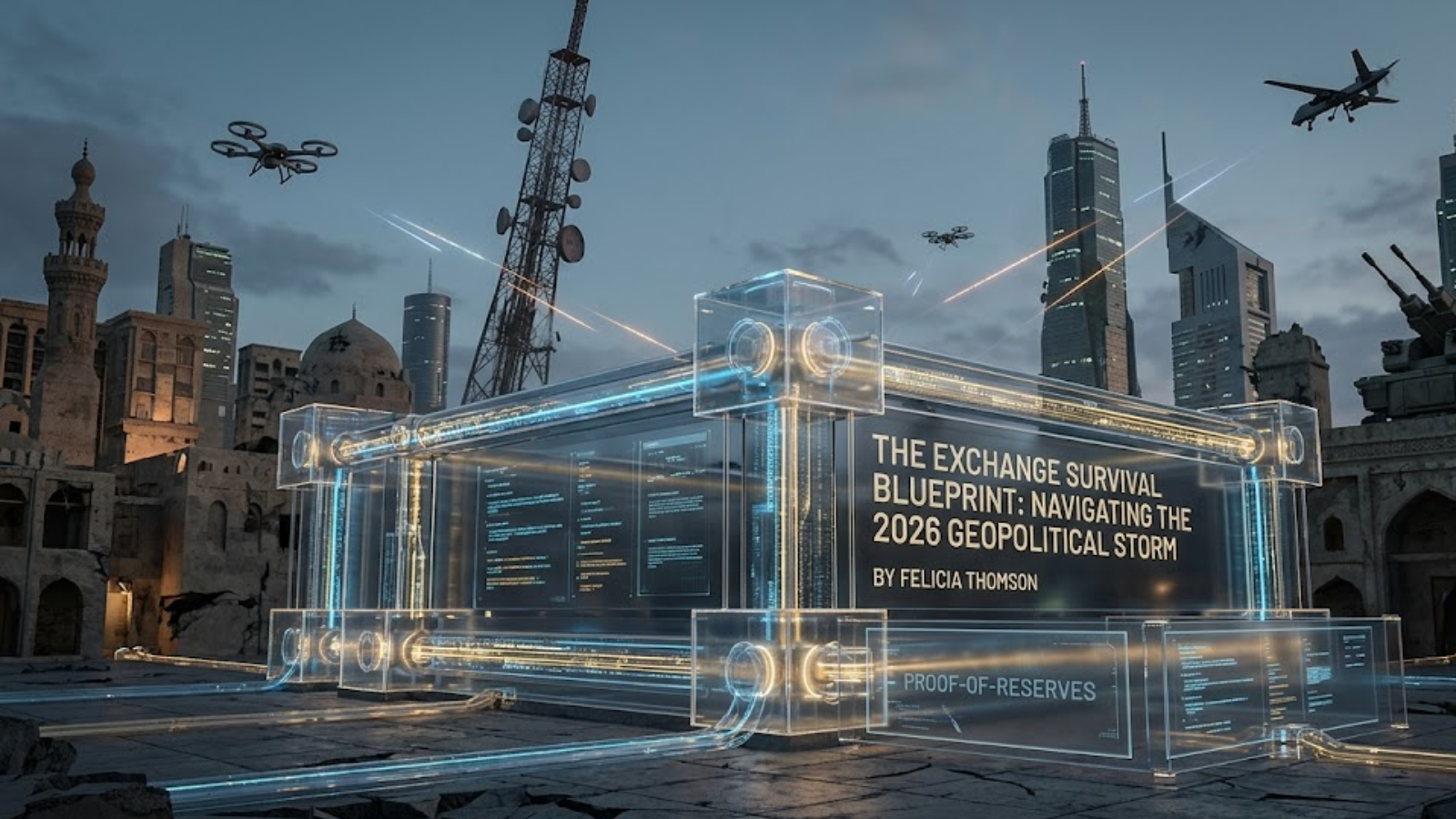
- On-Chain Transparency: Use real-time Proof-of-Reserves. In a war, “Trust me” is a failing business model.
- Censorship-Resistant UX: Ensure your front-end is hosted on decentralized storage (IPFS/Arweave) so that a DNS takedown doesn’t kill your user access.
Final Thought
The 2026 crisis is a reset button. The exchanges that will survive are not the ones with the most marketing spend, but the ones that provide a trustless bridge through the chaos.
As an entrepreneur and investor, I am not looking for the fastest exchange anymore. I am looking for the one that is impossible to turn off.
Are you building a platform, or are you building a fortress?