The Complete Guide to Technical Documentation for Fintech Companies
--
Fintech is one of the most documentation-heavy industries on the planet — and for good reason.
Regulatory compliance, API integrations, user onboarding, and investor reporting all demand clear, accurate, and professionally written content. Yet most fintech startups treat documentation as a last-minute task.
This guide breaks down exactly what fintech companies need — and how to get it right.
Why Fintech Documentation is Different
Unlike a typical software product, fintech documentation must:
- Meet regulatory standards (FCA, SEC, MiFID II, PCI-DSS)
- Be legally defensible in case of disputes or audits
- Serve multiple audiences — developers, end users, compliance officers, and investors
- Be updated constantly as regulations and products evolve
A single error in a compliance document can result in fines, regulatory action, or loss of operating license. The stakes are extremely high.
Types of Documentation Fintech Companies Need
1. API Documentation If your fintech product has an API, your developers need world-class documentation. This includes endpoint references, authentication guides, code samples, and error handling. Poor API docs mean slower integrations and frustrated partners.
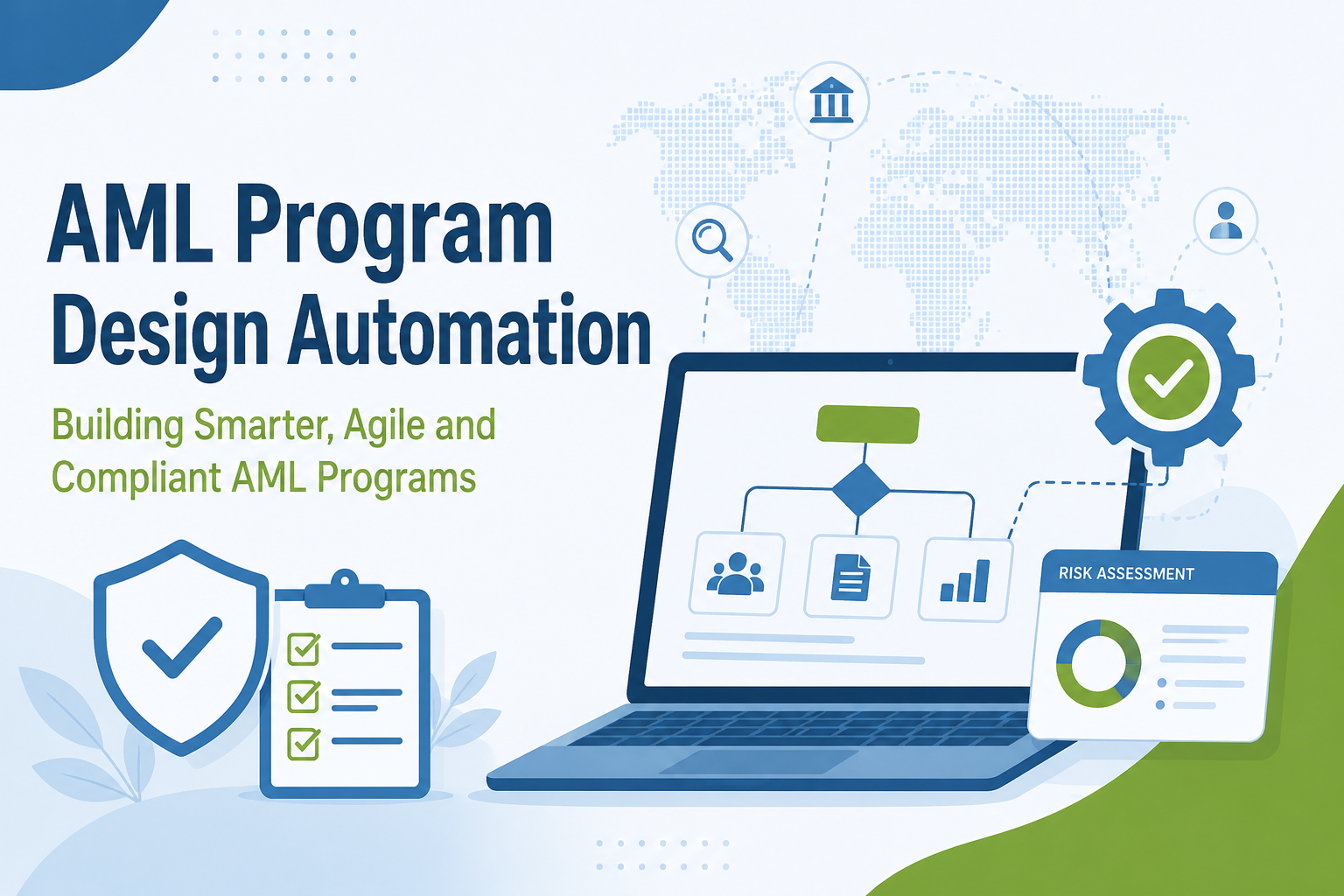
2. Compliance & Regulatory Documents These include AML policies, KYC procedures, GDPR documentation, privacy policies, and audit trails. These must be written with precision and regularly reviewed by legal and compliance teams.
3. User Manuals & Onboarding Guides Reducing friction in onboarding is critical for fintech products. Clear step-by-step guides, tooltips, and in-app documentation can dramatically improve activation rates.
4. Internal SOPs Standard Operating Procedures keep your operations consistent and auditable. Every team — from customer support to fraud detection — needs clear internal documentation.
5. Investor & Board Reports Technical writing also extends to investor documentation — pitch decks, due diligence packs, and board reporting all benefit from professional editing and structure.
Common Fintech Documentation Mistakes
❌ Writing for developers only — Your compliance officer and end user need different documents ❌ Ignoring version control — Regulatory docs must have clear versioning and audit trails ❌ Skipping plain language — Legal doesn’t have to mean unreadable ❌ No review process — Docs need SME sign-off before publishing ❌ Static documentation — In fintech, products and regulations change fast. Docs must keep up.
How Professional Technical Writers Help Fintech Companies
Working with an experienced technical writing consultancy gives fintech companies:
- Domain expertise — Writers who understand financial regulations and terminology
- Speed — Dedicated teams that can produce documentation at the pace of your product
- Scalability — Scale your documentation team for a launch without hiring full-time
- Quality control — Multi-stage review, editing, and proofreading built in
Bárd Global specialises in technical writing services for fintech companies, with over 25 years of experience delivering documentation that meets both user needs and regulatory requirements.
Building a Documentation Strategy for Your Fintech
Here’s a simple framework to get started:
Step 1 — Audit what you have List every document your company produces. Identify gaps, outdated content, and inconsistencies.
Step 2 — Define your audiences Map out every type of user who interacts with your documentation — developers, end users, regulators, investors.
Step 3 — Choose your tools Popular fintech doc tools include Confluence, Notion, GitBook, and Readme.io.
Step 4 — Assign ownership Every document needs an owner who is responsible for keeping it current.
Step 5 — Partner with experts For high-stakes documentation, don’t rely on internal teams alone. Work with a professional technical writing service that understands your regulatory environment.
Looking for expert fintech documentation support? Bárd Global delivers award-winning technical writing and compliance documentation for fintech companies worldwide.