The Borderless Checkout: Mastering Cross-Border Payments in High-Hurdle Markets
 Chloe Johnson5 min read·Just now
--
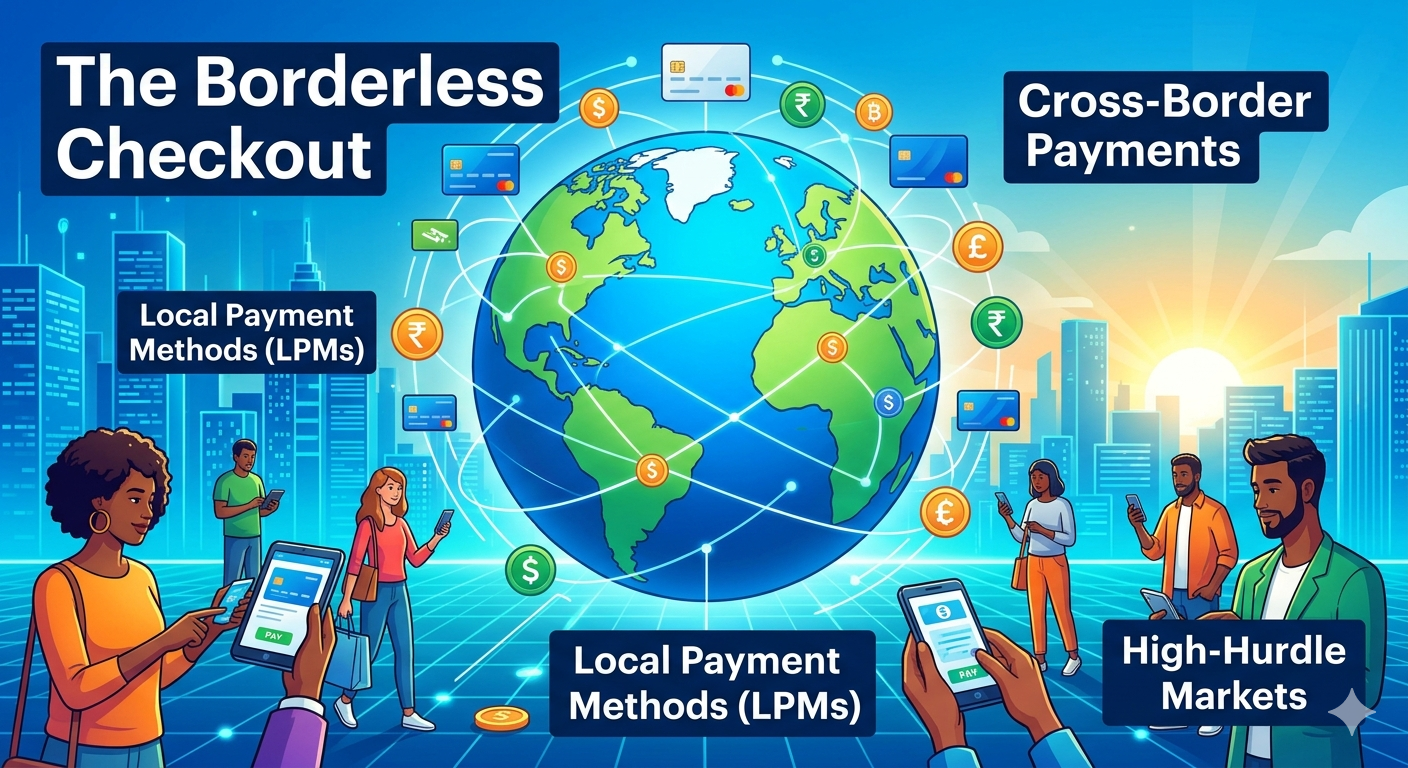
In the digital age, the concept of a “local” market is becoming an artifact of the past. For ambitious merchants, the world is the storefront. However, as businesses cast their nets into increasingly distant waters, they often encounter the “High-Hurdle Markets” — regions like Southeast Asia, Latin America, and parts of Africa where the potential for explosive growth is matched only by the complexity of its financial infrastructure. Mastering the borderless checkout isn’t just about offering a currency converter; it’s about navigating a labyrinth of regulation, local preference, and technical friction to create a seamless experience for every customer, regardless of their coordinates.
The Allure and the Wall: Why High-Hurdle Markets Matter
High-hurdle markets represent the final frontier of global e-commerce. These regions are characterized by a burgeoning middle class, rapid smartphone penetration, and a youthful demographic eager to engage with global brands. Yet, for many Western businesses, these markets feel walled off. The “wall” is built from fragmented payment systems, low credit card penetration, and stringent capital controls.
In markets like Brazil or Indonesia, a standard “Visa/Mastercard only” checkout flow can lead to abandonment rates as high as 70%. To master the borderless checkout, merchants must shift their mindset from “imposing a standard” to “adapting to reality.” This means acknowledging that in the global south, the digital wallet and the instant bank transfer are king.
Local Payment Methods (LPMs): The Key to the Gate
The biggest mistake a global merchant can make is assuming that a “global” payment brand is universally preferred. In China, Alipay and WeChat Pay dominate; in the Netherlands, it’s iDEAL; in Brazil, the instant payment system PIX has revolutionized the economy. Mastering cross-border payments requires a deep dive into Local Payment Methods (LPMs).
Integrating these methods is no longer optional. When a customer in Mexico sees OXXO as a payment option, or a customer in India sees UPI, it builds immediate trust. It signals that the brand understands their daily life. From a technical perspective, this requires partnering with payment orchestrators who can aggregate these hundreds of methods into a single integration, preventing the merchant’s backend from becoming a tangled web of disparate APIs.
Navigating the Regulatory Minefield
If payment methods are the “how” of cross-border commerce, regulation is the “where” and “when.” High-hurdle markets often have protectionist financial laws designed to stabilize local currencies. This manifests as complex tax requirements (like the digital services taxes seen in the EU and India) and strict Data Residency laws.
For instance, some countries require that transaction data for their citizens be stored on physical servers located within their borders. Others have “Know Your Customer” (KYC) requirements that are significantly more stringent than those in North America. Navigating this requires a robust compliance framework. Merchants must decide between “Cross-Border” processing (shipping from abroad and taking the hit on lower authorization rates) and “Local Entity” processing (incorporating locally to act as a domestic merchant). The latter offers higher conversion rates but comes with significant administrative overhead.
The Hidden Friction: Currency Fluctuation and Hidden Fees
The “checkout” doesn’t end when the customer clicks pay; it ends when the merchant sees the settled funds in their own currency. In high-hurdle markets, currency volatility is a constant shadow. A merchant selling in Turkish Lira or Argentine Pesos might find that by the time the funds settle, the value has shifted by several percentage points.
Furthermore, intermediaries often shave off “hidden” fees during the settlement process. To master this, sophisticated merchants use Dynamic Currency Conversion (DCC) and multi-currency pricing. By showing the customer the exact price in their local currency — guaranteed at the point of sale — the merchant removes “sticker shock” when the credit card statement arrives. Behind the scenes, using smart routing to settle funds in “like-for-like” currencies can save thousands in unnecessary conversion fees.
Tackling the Trust Deficit: Fraud and Security
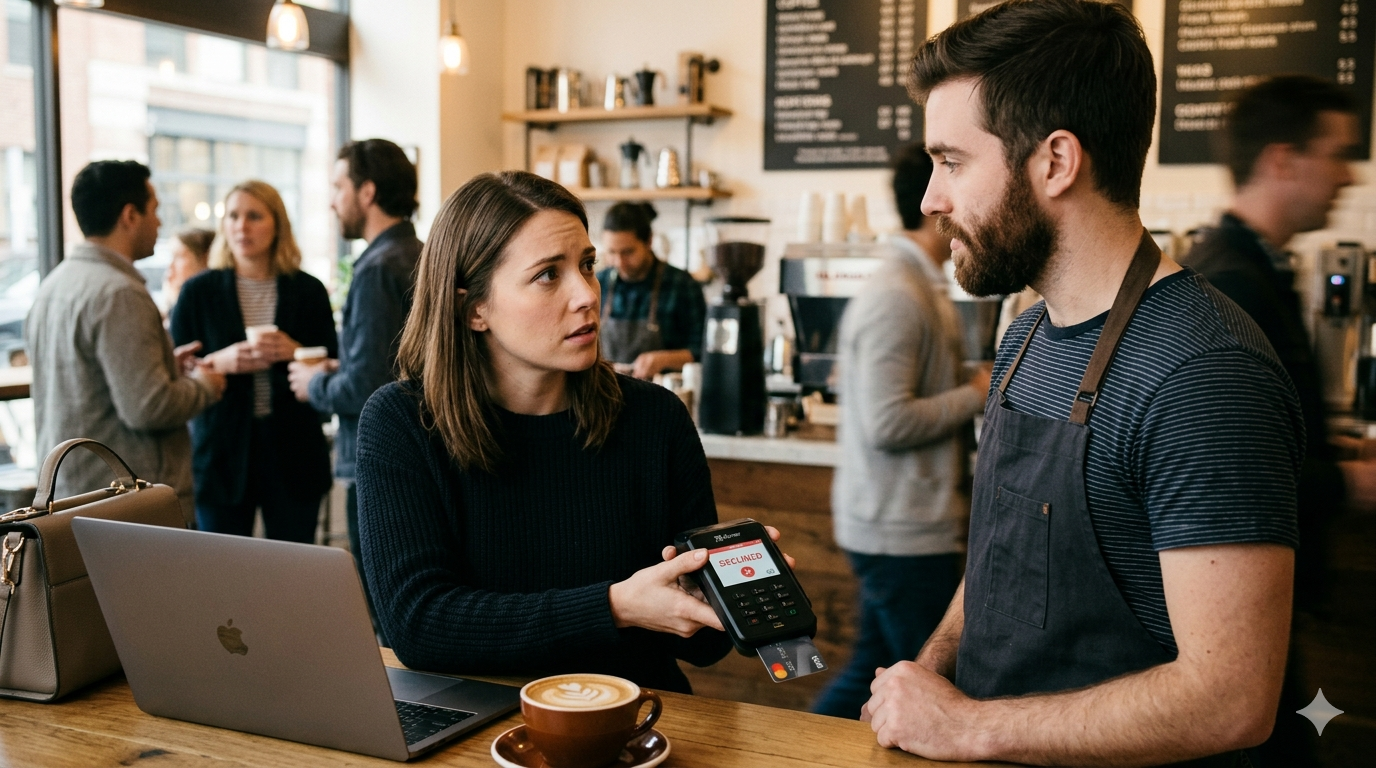
In many high-growth markets, fraud is a sophisticated industry. However, the fear of fraud often leads merchants to set their security filters too high, resulting in “false positives” — blocking legitimate customers. This is the “hurdle” in high-hurdle markets: balancing ironclad security with a frictionless experience.
Implementing 3D Secure 2.0 is a start, but it isn’t a silver bullet. Mastery involves using AI-driven fraud detection that understands local nuances. For example, a high-value transaction in the middle of the night might look like fraud in London, but in a market with a “night-market” shopping culture, it could be perfectly normal. Trust is a two-way street; using localized trust badges and transparent return policies is just as important as the encryption itself.
Logistics: The Physical Half of the Payment
A payment is a promise of delivery. In high-hurdle markets, the “checkout” is deeply tied to logistics. If a customer in Nigeria pays for a product, but the shipping cost is twice the price of the item, or it gets stuck in customs for three weeks, that customer is lost forever.
The borderless checkout must include Landed Cost Calculation. This means showing the customer the total price, including duties and taxes, upfront. No one likes a “pay-on-delivery” surprise from a customs agent. Integration between the payment gateway and the shipping provider allows for a “Total Price Guarantee,” which is perhaps the most powerful conversion tool in the cross-border arsenal.
The Future: Blockchain and Central Bank Digital Currencies (CBDCs)
As we look toward the horizon, the hurdles may begin to lower through technology. The rise of stablecoins and CBDCs promises to bypass the traditional SWIFT banking system, offering near-instant settlement with minimal fees. While still in its infancy for mainstream retail, the “Web3” influence on cross-border payments is undeniable. Merchants who stay agile and experiment with these “borderless by design” technologies will be the ones who define the next decade of global trade.
Conclusion: The New Standard of Mastery
Mastering the borderless checkout is not a “set it and forget it” task. It is a continuous process of localization, optimization, and empathy for the end user. By embracing local payment methods, navigating regulatory complexities with the right partners, and eliminating currency surprises, merchants can turn high-hurdle markets into high-growth engines. The world is ready to buy; the question is, are you ready to let them pay?
#CrossBorderPayments #Fintech #GlobalEcommerce #DigitalTransformation #PaymentOrchestration #HighGrowthMarkets #LPM #EcommerceStrategy #InternationalBusiness #FutureOfPayments