The Best DeFi Strategies Don’t Look Exciting
 BADAL3 min read·Just now
--
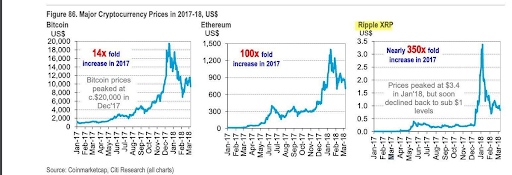
In DeFi, excitement is easy to find.
New protocols launch every week.
APYs spike overnight.
Capital rushes in chasing the next opportunity.
For a moment, it feels like you’ve found something special.
But if you look closely, most of these opportunities don’t last.
They fade.
They compress.
They disappear.
And the cycle repeats.
The Pattern Behind the Noise
We’ve all seen it:
- A new strategy offers high yield
- Early users benefit
- More capital enters
- Returns drop
- Liquidity moves elsewhere
This isn’t random.
It’s the natural result of a system optimized for attention — not durability.
The real question isn’t why yields drop.
It’s why we expect them to last in the first place.
Rethinking What “Good” Looks Like
In most of DeFi, “good” means high APY.
But in mature financial systems, “good” means something else:
👉 consistent, repeatable returns
A sustainable strategy is not the one that performs best today.
It’s the one that still works tomorrow.
And next month.
And across different market conditions.
Real Yield vs Temporary Attention
Many DeFi strategies rely on incentives.
These incentives attract capital quickly — but they also create instability.
When rewards decrease:
- yield drops
- capital exits
- the strategy weakens
By contrast, real yield comes from actual activity:
- trading fees
- lending demand
- market inefficiencies
This type of yield is tied to usage, not hype.
And that’s what gives it staying power.
Why Sustainability Depends on Environment
Not all strategies fail because they are poorly designed.
Some fail because conditions change.
Performance depends on:
- liquidity depth
- market volatility
- user demand
- capital flows
A strategy that works in one environment may struggle in another.
Sustainable strategies are those that can adapt, not just perform in ideal conditions.
The Hidden Impact of Costs and Risk
Over time, small inefficiencies become big ones.
Things like:
- gas fees
- slippage
- rebalancing friction
- correlation shifts
These don’t always show up in APY.
But they shape real outcomes.
A strategy that looks strong on paper can weaken once these factors are included.
That’s why sustainability is about net performance, not headline yield.
From Chasing Yield to Managing Capital
As DeFi evolves, the mindset is shifting.
From:
👉 chasing the next opportunity
To:
👉 managing capital across time
Sustainable strategies focus on:
- diversification
- continuous adjustment
- risk awareness
- long-term compounding
This is where DeFi starts to resemble structured finance.
How Concrete Vaults Approach Sustainability
Concrete vaults are built around this long-term view.
They don’t aim to maximize short-term APY.
They aim to optimize capital over time.
They do this by:
- allocating capital across strategies
- adapting to changing market conditions
- reducing reliance on incentives
- enabling automated compounding
This creates a system where sustainability is designed — not assumed.
Example: Stability Over Hype
Consider Concrete DeFi USDT, offering around ~8.5% stable yield.
At first glance, it may seem less attractive than higher APY opportunities.
But over time:
- consistent yield compounds more reliably
- risk is more controlled
- outcomes are more predictable
And predictability is what long-term capital values most.
The Bigger Shift
DeFi is growing up.
The next phase will reward:
- stability over excitement
- systems over speculation
- durability over spikes
- capital efficiency over raw yield
The winners won’t be the strategies that attract the most attention.
They’ll be the ones that stand the test of time.
Final Thought
The best DeFi strategies don’t look exciting.
They look consistent.
And in the long run, consistency is what builds real outcomes.
🚀 Explore Concrete at:
https://app.concrete.xyz/earn