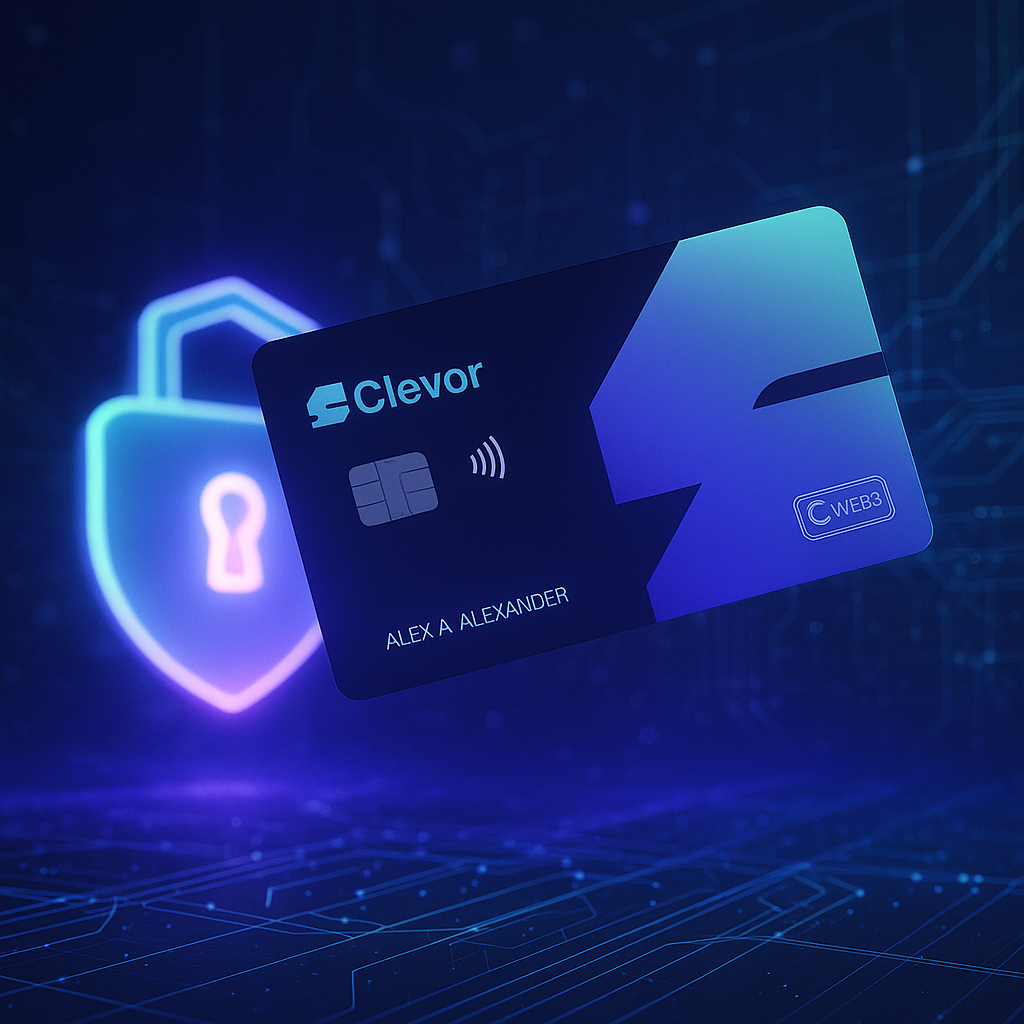
The Beginner’s Guide to Stablecoin Payments: Spend Crypto Like Cash
--
Stablecoin payments are rapidly moving from a niche concept to a mainstream financial tool. For anyone new to crypto — or an experienced holder looking to actually spend digital assets — stablecoins represent the most practical bridge between the blockchain world and everyday commerce. This guide breaks down everything you need to know, including how a crypto debit card, fits into the picture.
What Is a Stablecoin?
A stablecoin is a cryptocurrency pegged to a stable asset — most commonly the US dollar. Unlike Bitcoin or Ethereum, whose prices fluctuate significantly, stablecoins maintain a consistent value, making them practical for payments, savings, and transfers.
Most widely used stablecoins:
- USDT (Tether) — largest by market cap
- USDC (Circle) — regulated, widely accepted
- DAI — decentralised, collateral-backed
- PYUSD (PayPal USD) — emerging mainstream adoption
Why Stablecoin Payments Make Sense
Traditional crypto payments have one major problem: volatility. Paying for a coffee with Bitcoin means the value of that payment could change 5% before it settles. Stablecoins solve this entirely.
Advantages of stablecoin payments:
- Price stability — $1 USDC is always worth $1
- Near-instant settlement compared to bank wires
- Borderless — no currency conversion friction
- Programmable via smart contracts
- Lower fees than international wire transfers
- Accessible 24/7 — no banking hours
For cross-border crypto payments in particular, stablecoins have become the default settlement layer — eliminating correspondent bank fees and multi-day delays entirely.
How a Crypto Debit Card Works
A crypto debit card connects your crypto wallet to a payment network — most commonly Visa or Mastercard — allowing you to spend stablecoins and other digital assets at any merchant that accepts card payments.
The typical transaction flow:
- You load or connect your stablecoin balance to the card
- At point of sale, you tap or swipe your card
- The card provider converts stablecoins to fiat in real time
- The merchant receives local currency — they never interact with crypto
This crypto to fiat card conversion happens seamlessly, meaning the merchant experience is identical to any other card payment. For the cardholder, it is the most friction-free way to spend digital assets in the physical world.
EMV Crypto Cards — The New Standard
Traditional magnetic stripe cards are being replaced by EMV crypto cards — chip-based cards that meet the global EMV (Europay, Mastercard, Visa) security standard while supporting cryptocurrency accounts. An EMV crypto card offers:
- Chip-and-PIN security for in-person transactions
- Contactless NFC payments
- Compatibility with global POS terminals
- Hardware-level key storage in advanced models
The most sophisticated versions function as a crypto smartcard — combining the payment functionality of a debit card with the security architecture of a hardware wallet. This means private keys never leave the card, and every transaction requires physical authorisation.
Mastercard Crypto Card — What It Means for Mainstream Adoption
The emergence of Mastercard crypto card programmes signals institutional acceptance of stablecoin payments. Mastercard’s network spans over 100 million merchant locations globally — meaning a crypto cardholder can theoretically spend stablecoins anywhere on earth without the merchant needing any knowledge of or infrastructure for crypto.
This network effect is what makes Web3 payment card adoption accelerate rapidly. The payment rails already exist. The innovation is connecting crypto wallets to those rails seamlessly.
DeFi Debit Cards — Spending Without Giving Up Custody
One of the most significant developments in stablecoin payments is the DeFi debit card — a card that connects directly to a self-custodial wallet rather than a centralised exchange account. This preserves the core Web3 principle: you hold your keys, you control your assets.
Cross-Border Crypto Payments — The Stablecoin Advantage
One of the most transformative use cases for stablecoin payments is international transfers. Sending $10,000 via traditional wire transfer can cost $30–50 in fees and take 2–5 business days. The same transfer in USDC settles in seconds for a fraction of a cent.
For freelancers, remote workers, and international businesses, cross-border crypto payments using stablecoins have become the default — especially in corridors where banking infrastructure is expensive or unreliable. A crypto to fiat card on the receiving end completes the loop, converting stablecoins to local currency at the point of spending.
Getting Started With Stablecoin Payments
Step 1: Choose a stablecoin — USDC is recommended for beginners due to its regulatory standing and wide acceptance.
Step 2: Set up a wallet — a self-custodial wallet or crypto smartcard gives you full control.
Step 3: Acquire stablecoins — via an exchange, a peer-to-peer platform, or by receiving payment in stablecoins.
Step 4: Get a crypto debit card — look for an EMV crypto card or Mastercard crypto card programme that supports your stablecoin of choice.
Step 5: Spend — online, in-store, or internationally, just like a regular debit card.
Final Thought
Stablecoin payments represent the most practical on-ramp for everyday crypto adoption. They remove volatility, reduce fees, and — with the right DeFi debit card or Web3 payment card — preserve the self-custody principles that make crypto valuable in the first place. For anyone looking to move beyond holding crypto as a speculative asset and actually use it, stablecoins are the starting point.