The Air Traffic Controller You Never Knew You Needed
 zakk4 min read·Just now
--
In the early days of commercial aviation, mid-air collisions were not exceptional events — they were a predictable consequence of a system where every pilot was simultaneously navigator, weather analyst, and traffic monitor. The cognitive load was simply too high. The solution wasn’t better pilots. It was air traffic control: a coordination layer that absorbed the complexity of managing an entire airspace so that the people inside it could focus on flying. The result wasn’t less control for pilots. It was better outcomes for everyone in the system, achieved by distributing the management burden to infrastructure designed specifically to handle it. — The case for coordination infrastructure
DeFi in 2024 is asking its users to be their own air traffic controllers. Monitor every protocol. Track every yield. Move liquidity at the right moment. Claim rewards before they decay. Rebalance before conditions shift. Do all of this simultaneously, across multiple chains, without missing a window or paying more in gas than you earn in yield.
The pilots were not the problem. The missing infrastructure was
What Manual DeFi Management Actually Demands
For users who want to stay competitive in DeFi without giving up returns to inefficiency, the weekly operational checklist is real. It isn’t hypothetical friction — it’s the actual cost of participating in a system that was built for open access but not for ease of management.
Each task is manageable on its own. Together, compounded across multiple positions and multiple chains, they represent an operational burden that scales with the complexity of DeFi faster than any individual’s bandwidth can keep up. The system keeps getting more complex. The number of hours in a day does not.
Air traffic control didn’t make the sky less busy. It made the busy sky navigable. Concrete Vaults don’t simplify DeFi’s complexity away — they give users the infrastructure to navigate it without managing every variable themselves.
What a Concrete Vault Actually Does
A Concrete Vault is not a static yield wrapper. It is a coordinated capital system — a layer of infrastructure that absorbs the operational complexity of DeFi strategy management and delivers the output: consistent, structured onchain capital deployment, automatically compounded, continuously optimized.
Manual Management vs Vault Infrastructure
The difference between managing DeFi manually and deploying through a Concrete Vault is not just a difference in convenience. It’s a difference in outcomes — because the operational friction of manual management doesn’t just cost time. It costs yield.
ctAssets and How Concrete Vaults Work
Concrete Vaults are not yield wrappers with a better interface. They are structured capital coordination systems — with a specific architecture designed to manage the complexity that manual DeFi participation offloads onto users.
The Coordination Layer That Makes It Work
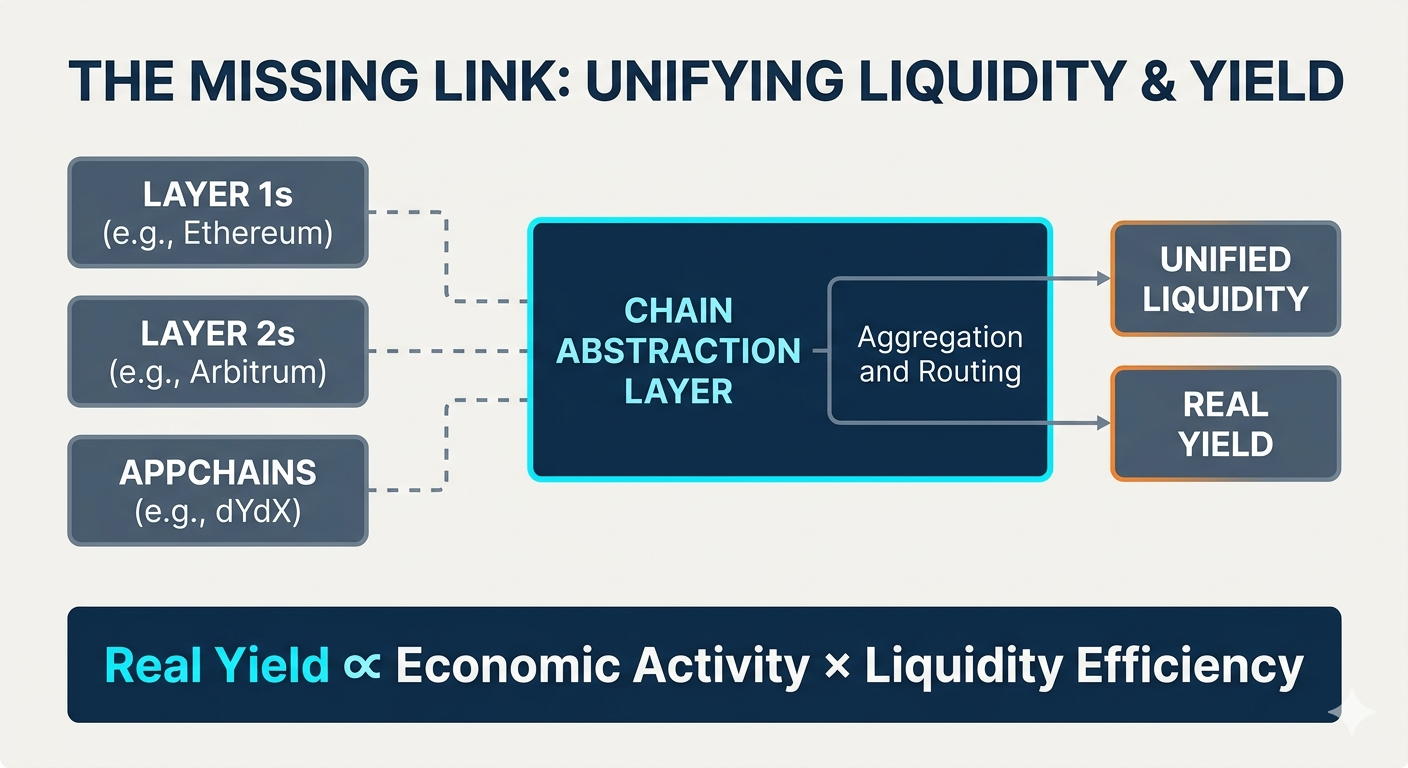
Concrete Vaults operate through a layered architecture that maps closely to how any mature coordination infrastructure works: defined roles, enforced constraints, continuous execution, and response capability at each layer.
The result of these four layers working together is a capital deployment system that does what manual management attempts to do — monitor, rebalance, compound, enforce risk — but does it continuously, systematically, and at a scale that no individual operator could sustain.
The future of DeFi may not belong to the users clicking between protocols all day. It may belong to the systems built to coordinate capital more efficiently.
Air traffic control didn’t arrive because pilots were bad at their jobs. It arrived because the airspace became too complex for any individual to manage safely, and because the cost of that complexity — measured in collisions, in delays, in the cognitive load of constant vigilance — was no longer acceptable when an alternative existed.
DeFi is reaching the same inflection point. The number of protocols, strategies, chains, and opportunities is not going to decrease. The complexity of managing capital across that landscape is not going to get simpler. Manual strategy management doesn’t scale — and the users who recognize that earliest will be the ones positioned best for what comes next.
Concrete Vaults are the coordination infrastructure that DeFi’s complexity demands: a layer that absorbs operational burden, enforces structural discipline, and delivers the output — consistent, compounding, risk-managed onchain capital deployment — to users who would rather be investing than managing.
The vault is the air traffic controller. You just have to decide whether you’d rather fly.
Explore Concrete Vaults at concrete.xyz →