The Age of Artificial Intelligence and Crypto
 Ishraq A. Hashmi5 min read·Just now
--
Human history is actually a story of evolution, a story of the evolution of thought, system and convenience. Although this evolution came a little late in a developing country like Pakistan in the current modern era, when it came, it deeply affected society and the system. Today, when we talk about artificial intelligence, cryptography and cryptocurrency, most Pakistanis are not aware of it and if they know anything about it, they do not realize its importance. These are not just modern terms but the logical end of a long journey of experience and research, a journey that started from the early days of computers and has reached artificial intelligence and the crypto economy today.
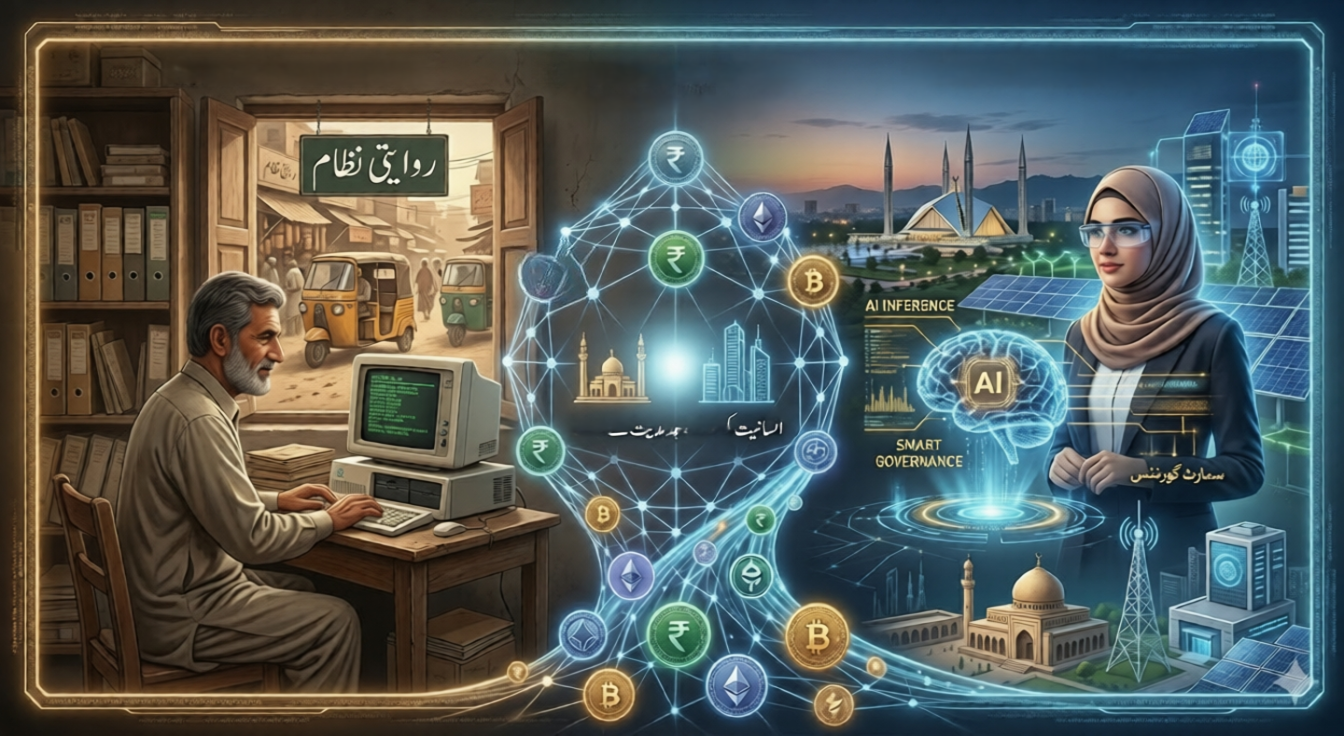
Not so long ago, the computer began in Pakistan as a “strange and poor machine." Initially, it was limited to large institutions, banks and government offices. When the computer gradually entered offices in the 1980s and 1990s, many people considered it to be just a modern version of a typewriter, but the reality was much bigger than that. The computer created a change in the office system that was not possible even in centuries. Where previously it took weeks to complete a file, the same work was now possible in a few hours, record security improved, errors in accounting decreased, and above all, “speed” was created. This was the era when the typewriter gradually began to disappear. Along with paper files, “digital files” began to be created and a new thinking entered the office culture. Initially, there was resistance. Some people said, “These machines will replace humans.” But time has proven that computers have not made humans useless but rather more efficient. There has been a clear change in Pakistan’s office system since then. Where everything was previously paper-based, databases are now being created.
The banking system was computerized, government records began to be digitized, and online registration began in educational institutions. This change was not limited to convenience alone, but it also increased transparency. Now it has become more difficult to hide or change records than before. It would not be wrong to say that computers gave bureaucracy a new "speed," although sometimes the same old “file speed” continued to run along with it. But the era of the Internet has become a miracle: the world on one screen. The biggest revolution after the computer was the Internet. If computers changed offices, the Internet connected the world.
The spread of the Internet in Pakistan made access to information easier, created new business opportunities, and connected the young generation to the global world. Now a student could obtain world-class information even while sitting in a village, and a freelancer could earn dollars while sitting at home. This was the moment when Pakistan moved from a “local” to a “global” system.
Then came the stage beyond computers. Computers accelerated work, and artificial intelligence made them "intelligent." This is actually the next stage of computers where the machine does not just follow instructions but also learns from data. In Pakistan, the use of artificial intelligence is now visible in various fields. The police are using data to predict crimes, the diagnosis of diseases is improving in the health sector, and the performance of students in education is being analyzed. This is the point where the computer has become not just a “tool” but a "partner."
It is as if earlier the officer used to make decisions and the computer used to help; now the computer gives advice and the officer makes decisions. It was like gold on gold, the combination of artificial intelligence and human systems. If the computer was a revolution and gave speed, then AI gives intelligence. When both are combined, the system becomes not only fast but also effective; this is what is happening in the country. The combination of artificial intelligence with digital systems is giving birth to a new style of governance, which we can call “smart governance."
Now let’s review the monetary system. It started with the barter system and has reached banking, digital and now cryptocurrency. If we come to the economy, we can see a long journey here too. Initially, man used the barter system, that is, exchanging things for things, for example, cloth for wheat or grains for milk. But there were problems in this system. Not everything could be exchanged. Determining the price was difficult, and transactions were complicated. That is why currency came into existence: coins, notes, banking systems, then digital finance and now crypto. Banking stabilized the economy. People considered banks the guardians of money. Loans started coming from banks, and businesses started to flourish. Then came the era of digital banking. Online transfers, mobile banking, e-commerce. Now money is not in your hand but in your account, and the bank has come into your smartphone.
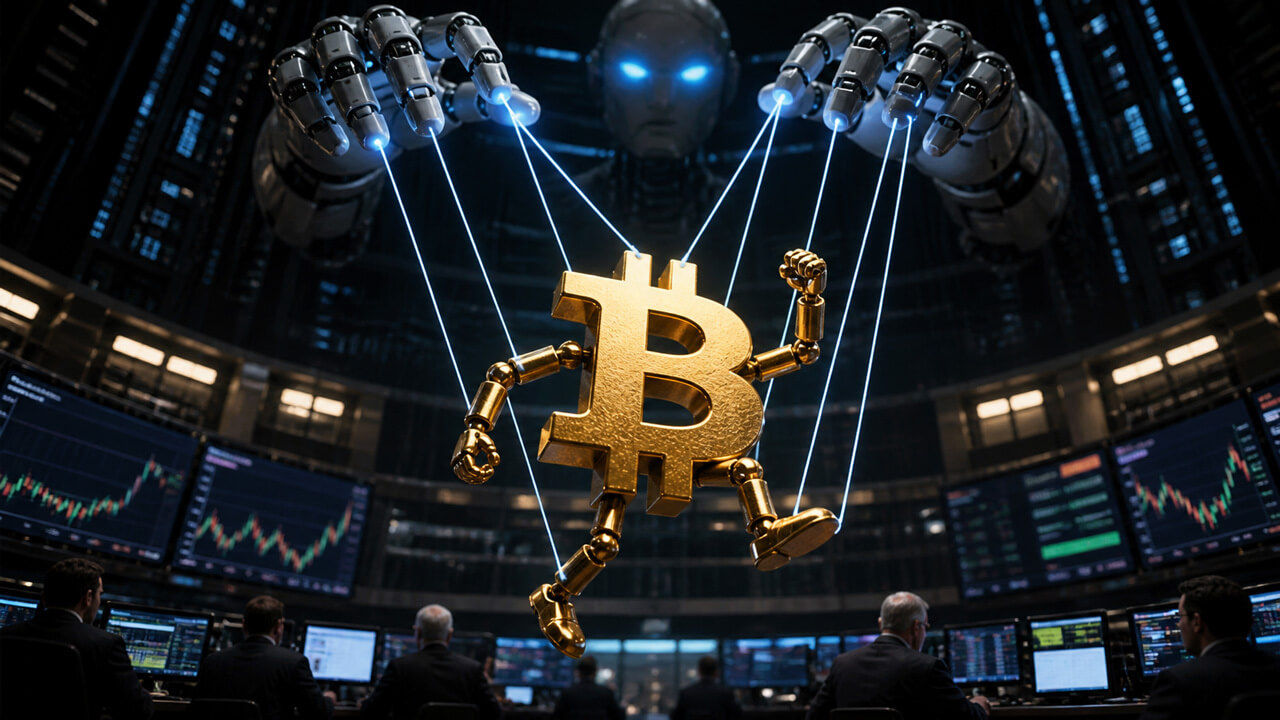
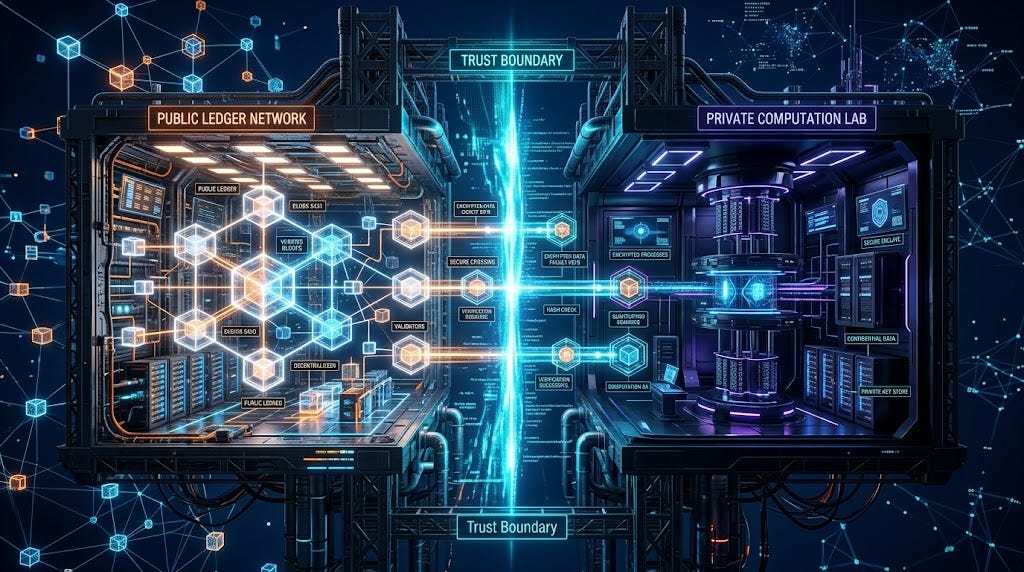
Now we are standing on the verge of another major revolution: cryptocurrency and cryptography. This is the stage where money becomes completely digital. Blockchain technology provides transparency; transactions become faster and cheaper. International trade is taking place in it. Although this system is still in its early stages in Pakistan, interest in it is growing rapidly. Instead of real estate, the younger generation is now especially inclined towards investing in crypto, because it is connected to the global market. It has more opportunities and is different from the traditional system. But every era also has its trials. Every revolution also brings challenges. In the computer era, there was a problem of training. In the Internet era, there was an excess of information. Now there is a slight problem of security and regulation in cryptocurrency, and Pakistan is also facing the same challenges.
Cybercrime, digital fraud and lack of policy-making—but one thing is as clear as day: the future of Pakistan is linked to it. We stand at a crossroads: crypto or traditional investment? Pakistanis have to decide to what extent they embrace this change; if we modernize education, promote technology and improve policymaking, then we can not only be a part of this revolution but also come out ahead in it. The bottom line is that life and systems are a continuous journey, from computers to artificial intelligence, from barter to digital and now to cryptocurrency and cryptography. This journey is actually the story of humans' search for convenience, speed and improvement. This journey is not over yet; it is ongoing. Tomorrow perhaps artificial intelligence itself will be running the economy and cryptocurrency will be the only currency, but one thing is certain: the nations that understand this change will move forward, and those that ignore it will be left behind.