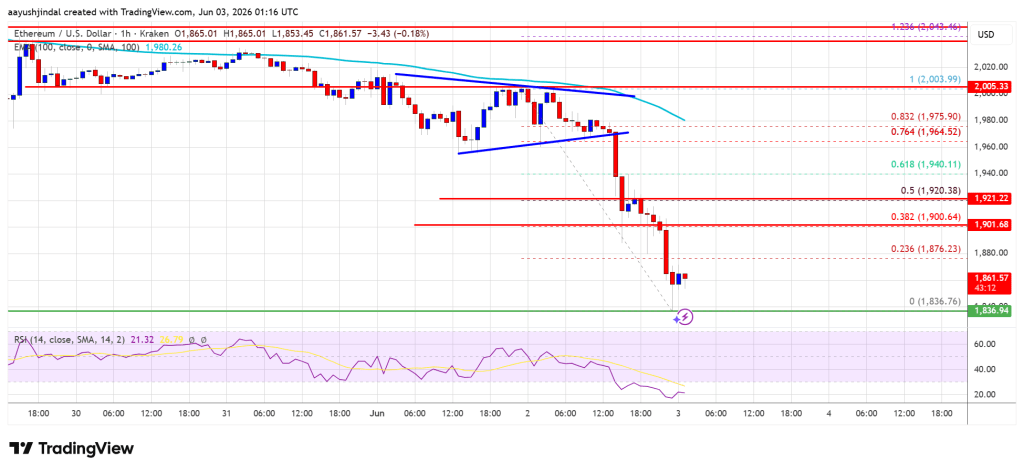
Retail traders are often completely addicted to the constant flicker of the 1-minute and 5-minute charts. They sit glued to their screens, watching every minor tick up or down, viewing every single red candle as an immediate reason to panic or flip their bias.
This high-frequency micro-analysis is a recipe for emotional exhaustion and overtrading.
The institutional players — the funds and whales moving millions of dollars in capital — do not care about 1-minute wicks. They cannot execute large positions on those timeframes anyway because there isn’t enough liquidity to absorb their orders without massive slippage. Instead, they operate on macro horizons, specifically the 4-hour and Daily timeframes.
If you want to trade like a professional, you have to stop looking at the noise and start tracking the institutional footprint.
How to Find the Macro Pivot
To align your trades with large-scale order flow rather than retail noise, you need to shift your focus to higher-timeframe structural zones. Here is how you locate the real pivot points:
- Focus on the 4-Hour Structural Zones: Look at the chart where the noise is filtered out. The major support and resistance areas visible on the 4-hour chart represent significant institutional interest.
- Wait for Price to Enter the Zone: Patience is the core of this strategy. You do not chase the asset while it is floating in the middle of nowhere. You wait until the price actively tests a major higher-timeframe boundary.
- Identify the Reaction: Once the price arrives at the zone, you look for a clear structural confirmation. This usually takes the form of an aggressive rejection, which leaves a long wick behind, or a clean break and retest of the level.
This reaction is the clear footprint of institutional capital stepping in to defend a zone or flip its bias.
Seeing the Footprint Clearly
The main reason retail traders get sucked back into the lower timeframes is that mapping out accurate, multi-timeframe zones manually across dozens of pairs takes an immense amount of time.
By utilizing automated mapping engines like Candulux that specifically plot out these heavy-hitting 4-hour and Daily structural zones, you can immediately identify where the institutional boundaries sit across your entire watchlist.
When you can see the footprint clearly on your dashboard, you stop reacting to the random flicker of the minor charts and start executing with the macro trend.
If you want to remove the manual hassle of finding these structural floors, you can use automated mapping engines to plot your levels. Explore the technical engine at candulux.onrender.com.
The 4-Hour Fingerprint: How to Track Institutional Order Flow was originally published in DataDrivenInvestor on Medium, where people are continuing the conversation by highlighting and responding to this story.