Telegram rebrands TON coin to GRAM, announces Pavel Durov
The rebrand resurrects a name from Telegram's $1.7 billion SEC saga, as Durov moves to replace the TON Foundation and become the blockchain's largest validator.
Share
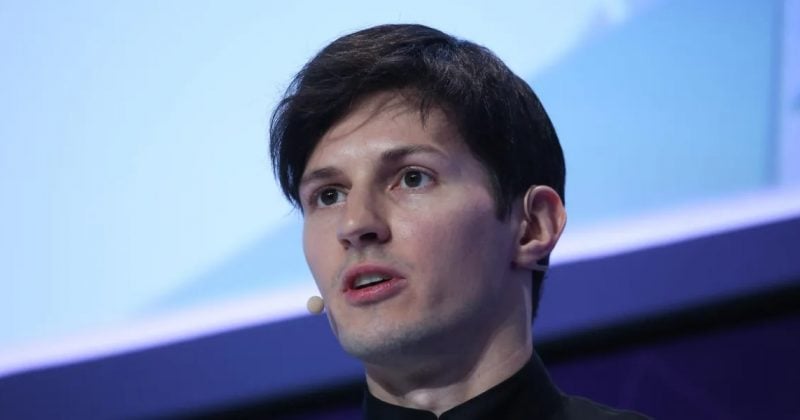
Add us on Google by Editorial Team Jun. 1, 2026Pavel Durov is bringing back the GRAM name. The Telegram founder announced that TON’s native cryptocurrency will be rebranded as GRAM, a name that carries significant baggage and, apparently, significant nostalgia.
If GRAM sounds familiar, it should. That was the original name of the token Telegram tried to launch between 2018 and 2019, raising approximately $1.7 billion in a massive token sale before the SEC shut the whole thing down. The project was subsequently revived by community developers under the Toncoin (TON) branding. Now Durov is reclaiming both the project and its original identity.
From exile to ownership
On May 4, 2026, Durov announced that Telegram would replace the TON Foundation as the primary driving force behind The Open Network.
AdvertisementTelegram is positioning itself as the blockchain’s largest validator, which in practical terms means Telegram will be one of the most important entities confirming transactions and securing the network. A Telegram-associated wallet reportedly held around 28.2 million TON at the time of the announcement, with 2.2 million TON actively staked in validator operations since April 30, 2026.
Durov also announced that network fees have dropped sixfold, to nearly zero.
The market liked what it heard
Toncoin surged between 23% and 36% in the days following Durov’s announcement, hitting a four-month price high. Trading volume spiked by 324%, suggesting this wasn’t just existing holders getting excited but new capital flowing into the asset.
What this means for investors
But the risk side of the ledger is real. The original GRAM token sale ended with Telegram paying $18.5 million in penalties to the SEC and returning $1.2 billion to investors. By openly taking the reins of a blockchain and its native token, Telegram could be drawing fresh regulatory scrutiny.
There’s also concentration risk to consider. Telegram holding 28.2 million tokens and operating as the largest validator means a single entity has outsized influence over both the network’s operation and the token’s supply dynamics.
The near-zero fee structure, while attractive for users, also raises questions about the network’s long-term economic model. If fees aren’t providing meaningful revenue, the economics have to work through token inflation, staking rewards, or some other mechanism.
Disclosure: This article was edited by Editorial Team. For more information on how we create and review content, see our Editorial Policy.