STON.fi Widget Constructor: Bringing Swaps Closer to Where Users Act
 Umar Jamila2 min read·1 hour ago
--
A subtle shift is taking place across the TON ecosystem. Swap functionality is no longer limited to standalone interfaces — it’s gradually becoming embedded directly into the environments where users already interact.
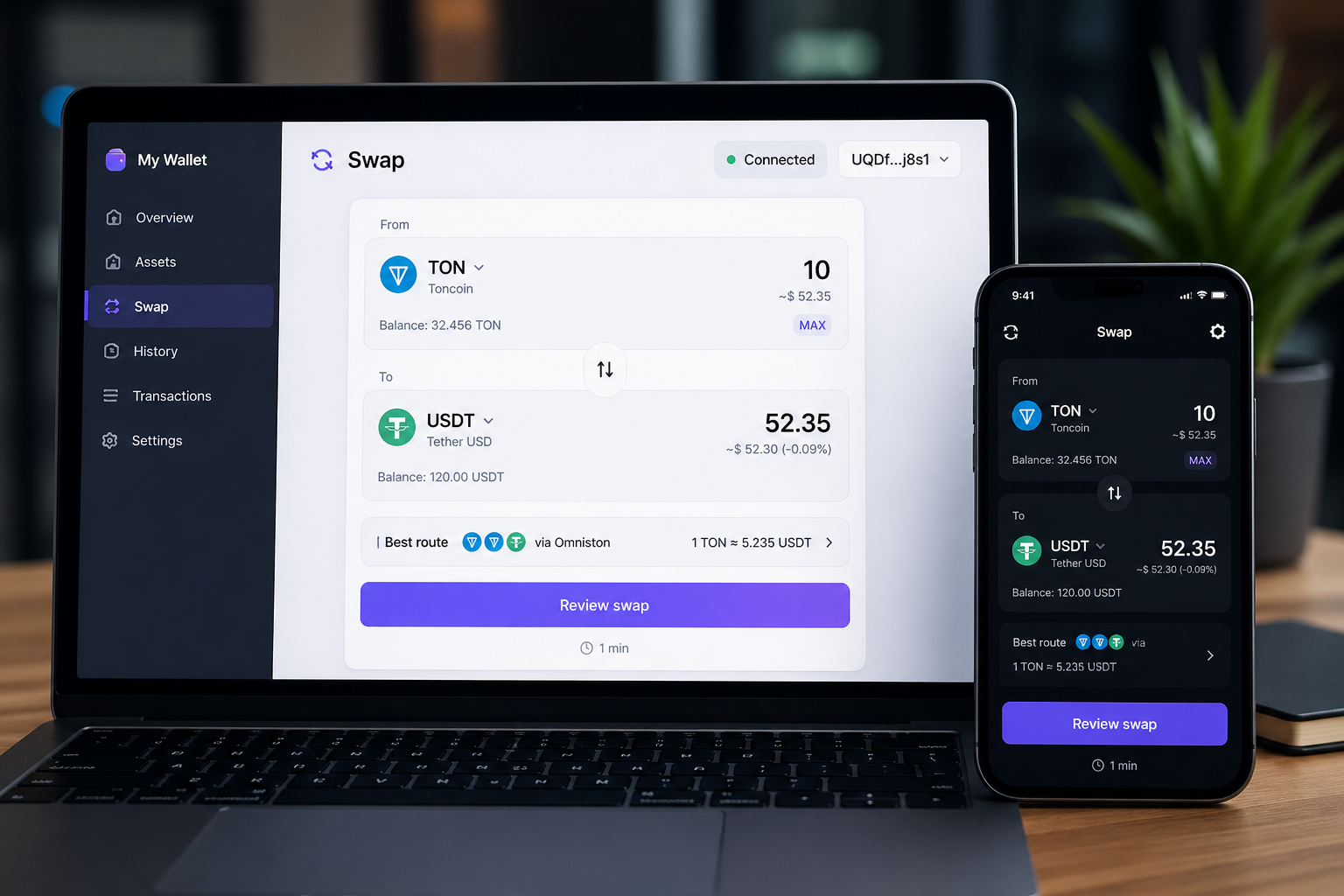
The STON.fi widget constructor reflects this transition by turning a full swap experience into a configurable, embeddable component powered by aggregated liquidity and Omniston routing.
Instead of building swap flows from the ground up, teams can now define how the interface looks and behaves through a browser-based constructor. Branding, token defaults, UI structure, and fee logic can all be set before exporting a ready-to-integrate version.
This changes the nature of integration.
Rather than allocating engineering time to routing logic, liquidity handling, and UI maintenance, teams can rely on a single component that mirrors the same execution layer used in app.ston.fi. As improvements are made to routing or liquidity sources, those updates extend automatically across every embedded instance.
From a product perspective, the constructor also acts as a preview layer. Teams can visualize how swap functionality fits within their own interface before deployment, reducing iteration cycles and aligning design decisions earlier.
For users, the impact is straightforward. Swaps can now happen in-context — inside wallets, dashboards, or application flows — without the need to switch environments. This keeps interactions fluid while maintaining consistent pricing through aggregated routing.
The use cases are already expanding:
Wallets integrating dedicated swap tabs
Campaign pages guiding specific token flows
Analytics dashboards enabling direct asset adjustments
Game and NFT environments handling conversions at the point of interaction
DAO and community tools pre-configured around specific tokens
Each scenario points to the same direction: reducing friction by bringing liquidity access closer to user intent.
At a broader level, this approach contributes to a more unified swap layer across TON. Instead of fragmented implementations, multiple applications can rely on a shared execution infrastructure that evolves continuously.
The result is less duplication, faster deployment, and a more consistent experience across different entry points.
For a deeper look into how the constructor works and how integrations are structured, the full breakdown is available here:
Full details on Ston.fi blog