Schwartz: Ripple Doesn't Control Consensus
News By Alex Dovbnya Wed, 13/05/2026 - 5:33 Ripple CTO Emeritus David Schwartz has posted a much-needed clarification regarding a fundamental misconception of the XRP Ledger (XRPL). Advertisement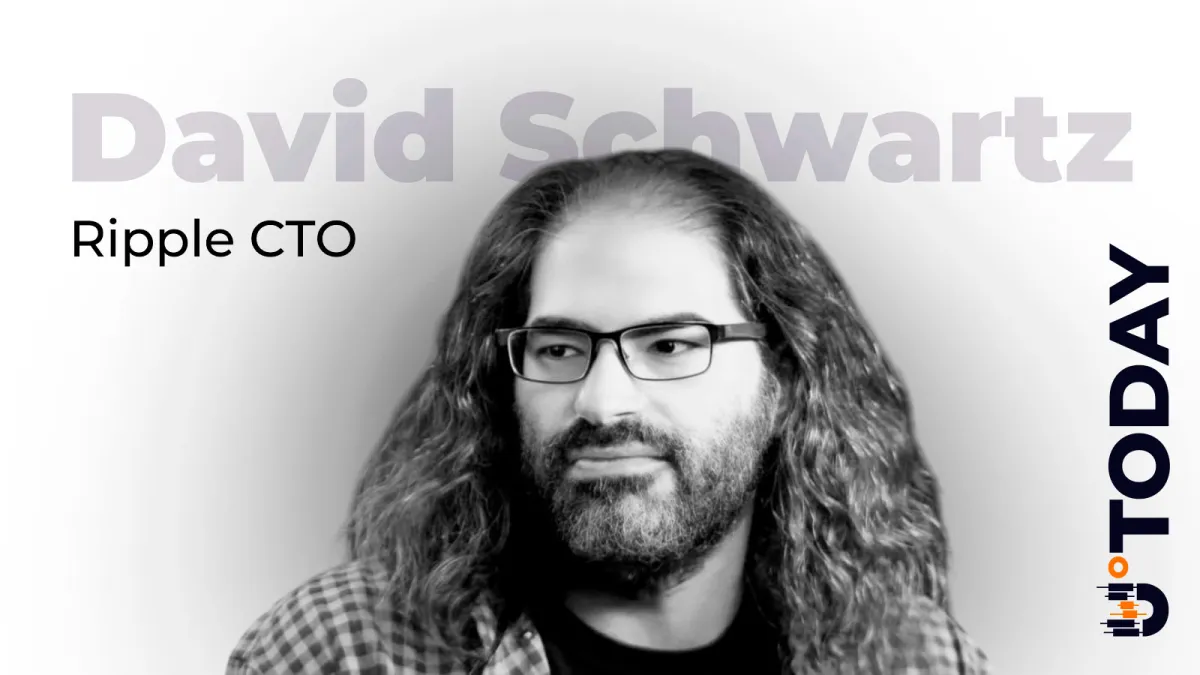
 Advertisement
Ripple Chief Technology Officer Emeritus David Schwartz has stepped in to clarify persistent misconceptions about the inner workings of the XRP Ledger (XRPL).
He has detailed why the network’s native token is not used to secure the blockchain.
Why XRP is not used for consensus
An X user questioned a previous statement made by Schwartz comparing proof of work (PoW), proof of stake (PoS), and the XRPL.
HOT Stories Schwartz: Ripple Doesn't Control Consensus Bitcoin (BTC), XRP, Shiba Inu (SHIB), Toncoin (TON) and Zcash (ZEC) Price Analysis for May 13: Hiding Explosive Volatility PotentialSchwartz had previously noted the XRPL relies on "stakeholder chosen scarcity." For comparison, PoW uses computing power, and PoS uses the value of a native token.
AdvertisementThe user asked whether XRP itself was the asset "chosen" to be scarce in this model.
Schwartz was quick to explain that the token plays no role in consensus, and there are two main reasons why this is the case.
You Might Also Like Fri, 05/01/2026 - 10:30
Ripple Big Unlock: 1 Billion XRP Hits Market Spotlight
ByTomiwabold Olajide
Advertisement
Fri, 05/01/2026 - 10:30
Ripple Big Unlock: 1 Billion XRP Hits Market Spotlight
ByTomiwabold Olajide
Advertisement
First of all, when the XRPL was being developed, Proof of Stake "hadn't been invented yet, and we weren't clever enough to think of it."
More importantly, as Schwartz has noted, using XRP to drive the consensus mechanism "would have left Ripple in control of the consensus mechanism whether people wanted that or not."
The XRPL relies on what Schwartz calls "shareholder choice." Network participants choose to come to a consensus with validators they believe are doing a good job.
The best incentive is no incentive
In his 2020 lecture, Schwartz argued that artificial financial rewards actually harm the network's actual users. He noted that the primary technical hurdle is that "eventual consistency is needed for blockchains to be useful," but argued that paying exorbitant fees to solve this problem is inefficient.
Schwartz fundamentally views built-in mining or staking rewards as a net negative: "artificial incentives are attacks on the natural stakeholders, and they represent friction left in the system."
As he explained, "natural incentives decentralize the only reason to participate in the system is because you want the system to work reliably there is nothing for you to take from the system."
#Ripple News #XRP News #XRP Ledger Advertisement