Scaling with Precision: The Evolution of Virtual IBAN Accounts
 Team Finrate2 min read·Just now
--
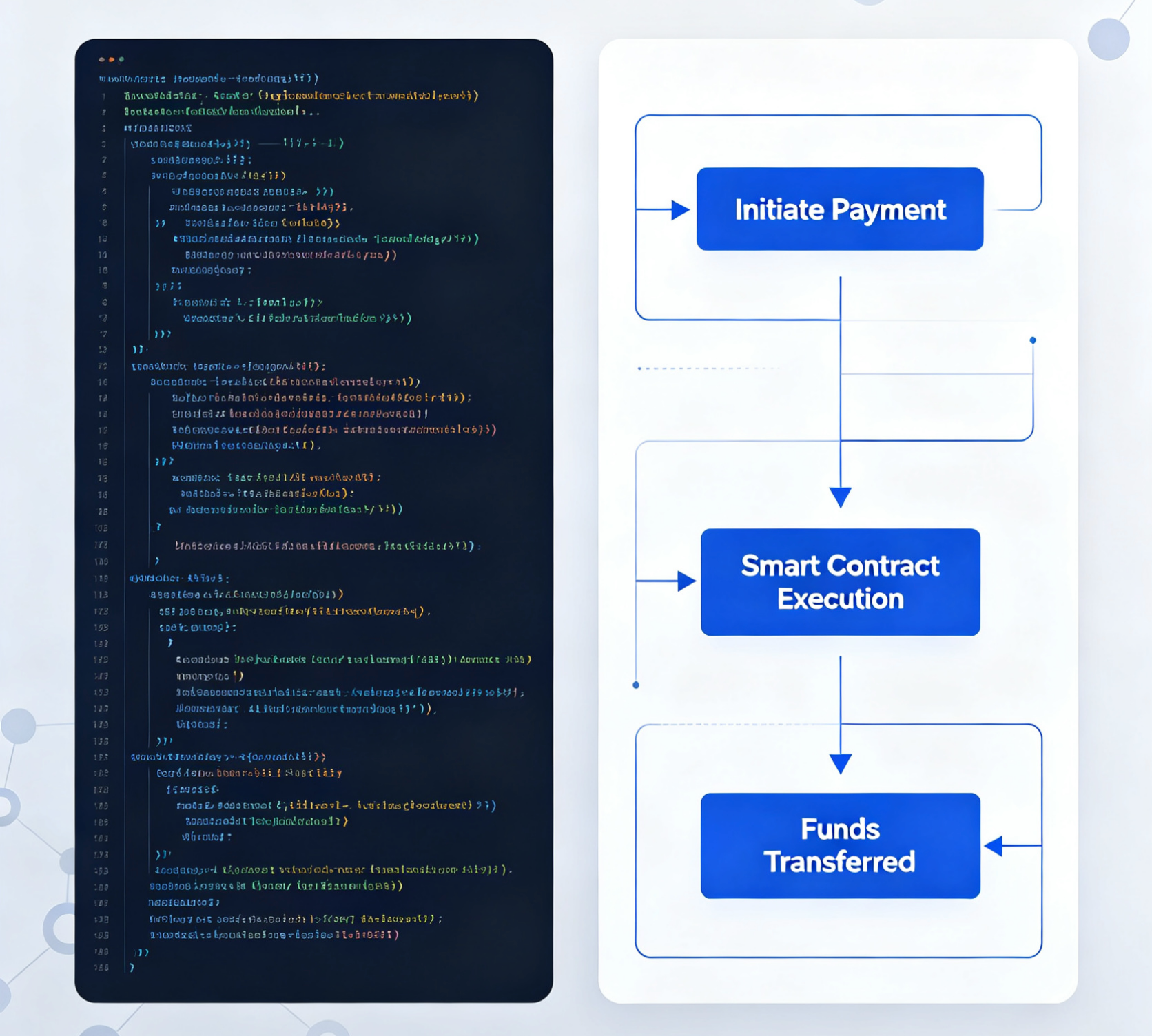
In the rapidly accelerating world of digital commerce, the ability to manage cash flow with surgical precision is what separates industry leaders from the rest. Traditional banking often falls short when a business needs to track thousands of individual payments across different borders and currencies. This is where a virtual IBAN account acts as a game-changer. By providing a digital layer over a master account, virtual IBANs allow businesses to issue unique identifiers for specific customers, suppliers, or regional departments. This infrastructure doesn’t just move money; it organizes it at the point of entry, turning every incoming transaction into a clean, addressable data point.
When you compare global providers, you are looking for a tool that removes the friction from human collaboration. For a finance team, the “virtualization” of accounts means an end to the manual hunt for unidentified wire transfers. For your clients, it means having a dedicated, stable payment route that feels local and reliable. This transparency fosters a level of trust that is essential in a globalized market, humanizing the administrative side of business by ensuring that financial interactions are seamless and free of errors. It allows your partners to feel seen and your team to feel empowered.
As we move through 2026, the agility to expand into new markets without the need for physical residency or heavy legal overhead is a vital competitive advantage. Virtual accounts provide a “borderless” financial identity, allowing you to settle in multiple currencies and reconcile in real-time. Since API capabilities and regional compliance strengths vary widely between fintech leaders, it is essential to research the market to find the best fit for your specific operational scale. By choosing the right virtual infrastructure today, you ensure that your business is prepared for the complexity and speed of tomorrow’s global economy.