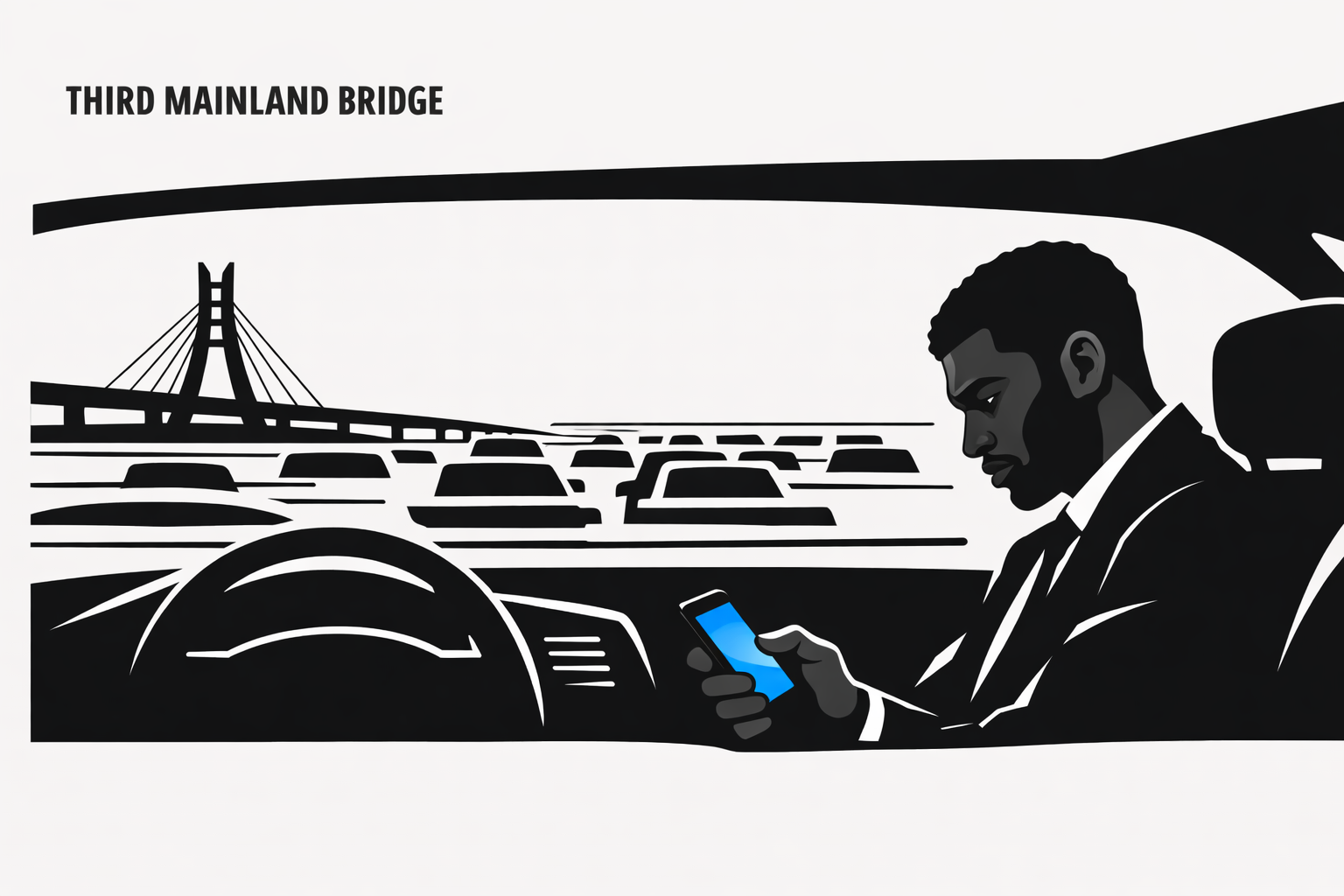
Royalstonelltd.com: The OSC‑Warned Clone That Stole $187K from a Toronto Retiree
 Paige Nicole Musgrave6 min read·Just now
--
A Clone Built on a Stolen Name
When a 59‑year‑old retired logistics manager from Toronto, Ontario, was contacted by a WhatsApp “investment advisor” named “Sophia,” the name “Royal Stone Group” sounded credible. The platform, operating under multiple domains including royalstonelltd.com, royal-stonegroup.com, and royal-stone.group, claimed to offer trading in cryptocurrencies, precious metals, commodities, and forex. The scammers even created fake licences and used the prestigious Toronto Dominion Centre address (77 King Street West, Toronto) — a real location — to project legitimacy. But Royalstonelltd.com had no connection to any legitimate financial institution. It was a clone — a fraudulent website built to steal the reputation of a name that sounded authoritative.
The victim was added to a WhatsApp group run by individuals who called themselves “Professor Michael Chen” and “Sophia.” They were warm, patient, and never pushy. Over several weeks, they posted what appeared to be wildly successful trading signals. Other “members” of the group — almost certainly bots or paid actors — posted daily screenshots of their profits. The group felt like a family. The victim had no way of knowing that he was being carefully groomed for a financial slaughter.
When he tried to withdraw his funds — which his dashboard showed as over $1.2 million — the platform froze his account and demanded escalating fees. By the time he realised the truth, he had lost $187,000.
The Anatomy of the Fraud
Phase 1: The WhatsApp “Professor” Who Built Trust
The victim received an unsolicited WhatsApp message from a woman who called herself “Sophia.” She was warm, patient, and never pushy. Over several weeks, they talked about his family, his retirement, his grandchildren. She seemed genuinely interested. She never asked for money — only for trust.
One day, Sophia mentioned that she had been making life‑changing profits trading on a platform called Royalstonelltd.com. She claimed it was a “premium investment brokerage” offering access to exclusive AI‑powered trading tools. She offered to show him how to get started.
Sophia added him to a WhatsApp VIP group. The group was buzzing with activity. People posted daily screenshots of their profits. A man named “Professor Michael Chen” gave daily lessons on crypto trading. The group felt like a family. The victim had no way of knowing that most of the “members” were bots or paid actors.
Phase 2: The “Test Drive” That Worked
“Sophia” offered the victim a “test drive.” She said the platform would deposit $5,000 of its own capital into his account to prove the system worked. The victim risked nothing.
Within a week, his dashboard showed the $5,000 had grown to $8,600. He requested a withdrawal of $500 — it landed in his bank account the next day. That single success lowered his guard completely.
Phase 3: Scaling Up — $187,000 Invested
“Sophia” then encouraged the victim to “scale up.” She explained that Royalstonelltd.com had a tiered VIP program with higher returns for larger deposits. The victim added $50,000 from his savings, then $70,000 from a home equity line of credit, then another $67,000 through a “private lending partner” introduced by the scammers.
His dashboard showed his total value soaring past $1.2 million. He began planning a family trip to the Grand Canyon.
Phase 4: The Trap Snaps Shut — Endless Fees and Frozen Accounts
When the victim tried to withdraw $500,000, the platform returned an error. “Sophia” introduced him to a “compliance officer” named “James.” James said he needed to pay a “liquidity licensing fee” to unlock his funds. The scammers demanded escalating fees — first $15,000, then $20,000, then $25,000.
The victim paid — but the demands continued. His account was frozen. “Sophia,” “James,” and the entire WhatsApp group vanished.
Total lost: $187,000.
What the Security Reports Already Showed
OSC Warning: Not Registered in Ontario — Toronto Dominion Centre Address Used
The Ontario Securities Commission (OSC) issued a formal investor warning against the Royal Stone Group clone network, stating that the entity “is not registered in Ontario to engage in the business of trading in securities.” The OSC listed the fraudulent website royal-stltd.com and the related subdomains, including cadfinra.royal-stltd.com. The scammers used the prestigious Toronto Dominion Centre address (77 King Street West, Toronto) to project false legitimacy.
AMF Warning: Not Authorized to Solicit in Québec
The Autorité des marchés financiers (AMF) of Québec also issued a warning, stating that Royal Stone Group is not registered with the AMF and is not authorized to solicit investors in Québec. The AMF noted that fraudsters are “skilled at trapping their victims using scams on multiple platforms (social media, e‑mail, etc.).”
FCAA Warning (Saskatchewan): Not Registered — Claimed to Offer Precious Metals, Commodities, Forex
The Financial and Consumer Affairs Authority of Saskatchewan (FCAA) warned that Royal Stone Group claimed to offer Saskatchewan residents trading opportunities in cryptocurrencies, precious metals, commodities, and forex — but was not registered to trade or sell securities or derivatives in the province. The FCAA cautioned investors not to send money to companies that are not registered, as they “may not be legitimate businesses.”
I‑SCAN Network: Unregistered/Unlicensed Entity
The International Organization of Securities Commissions (IOSCO) I‑SCAN network listed Royal Stone Group as an “Unregistered/Unlicensed entity offering financial products or services.”
Fake Licences and Documents
The scammers created fraudulent licences, including a fake “Finseu Licence” document hosted at https://royal-stltd.com/wp-content/uploads/2024/10/Finseu-Licence_Royal-Stone-Group-1.pdf. This fabricated document was designed to deceive investors into believing the platform was regulated.
Trustindex: “DO NOT TRUST THIS SITE”
A Trustindex reviewer warned: “DO NOT TRUST THIS SITE!!!!!! This company is scamming people. They accept the e‑transfers then cancel the order without refund or explanation. Any attempt to contact through customer service emails or chats are totally ignored. NOT WORTH THE RISK!! USE ANY SITE OTHER THAN THIS ONE!!!!”
Red Flags the Victim Missed (And You Shouldn’t)
- Unsolicited WhatsApp contact. “Sophia” reached out of the blue. Legitimate investment firms never recruit clients through unsolicited WhatsApp messages.
- A “professor” with no verifiable credentials. “Professor Michael Chen” had no online presence. His photo was likely AI‑generated or stolen.
- A WhatsApp group with “guaranteed” profits. The “members” were almost entirely bots. Real investment groups do not operate this way.
- “Demo money” that disappears. The $5,000 test credit was just a number on a screen. Once real funds were deposited, the rules changed.
- Escalating fees to withdraw funds. No legitimate exchange demands “liquidity licensing fees,” “network processing fees,” or “commission fees” to release your own money.
- The OSC warning was public. The Ontario Securities Commission had already flagged the platform, but the victim never checked the list.
- The AMF and FCAA warnings were public. Multiple Canadian regulators had issued alerts against the Royal Stone Group clone network.
- The Toronto Dominion Centre address was a mail drop. The address was real, but Royalstonelltd.com had no physical presence there.
- Fake licences were used to deceive investors. The fabricated “Finseu Licence” document was a forgery.
- The platform was unregulated. Royalstonelltd.com held no license from the OSC, AMF, FCAA, or any recognised financial authority. Trading with an unregulated provider carries severe risks — once funds vanish, recovery is often impossible.
How AYRLP Helped Recover 60% of the Loss
After the victim realised he had been scammed, he contacted AYRLP, a UK‑based blockchain forensic firm certified by the Financial Conduct Authority (FCA). AYRLP’s forensic analysts traced the stolen cryptocurrency across multiple exchanges and worked with international authorities to freeze a portion of the assets.
Through AYRLP, the victim secured a 60% return of his lost $187,000 — approximately $112,200. While not a full recovery, it was enough to prevent financial ruin.
“I thought my money was gone forever. AYRLP helped me get back more than half. I can finally start rebuilding.”
— The victim
Final Warning: Always Check the Registers
The Royalstonelltd.com scam is a textbook example of how fraudsters weaponise the names of unregistered entities, fake Toronto addresses, and social grooming to steal retirement savings. The OSC, AMF, and FCAA all issued formal warnings against the Royal Stone Group clone network. Those warnings were available to anyone who searched for the platform before investing.
Before you trust any online trading platform, always:
- Check the platform’s registration with your local securities regulator (in Canada, use the CSA’s National Registration Search at aretheyregistered.ca; in the US, check the SEC’s EDGAR database; in the UK, use the FCA Firm Checker).
- Verify the firm’s physical address. A prestigious address like the Toronto Dominion Centre means nothing if the firm is not registered.
- Be sceptical of any platform that offers “demo money” or charges fees to withdraw your own funds.
- Verify the domain’s age using WHOIS lookup. New domains with hidden ownership are major red flags.
- Never trust unsolicited WhatsApp messages from “professors” or “investment advisors.”
If you or someone you know has been victimised by Royalstonelltd.com or a similar scheme, contact the FBI’s IC3, your provincial securities regulator, and a reputable blockchain forensic firm like AYRLP immediately.