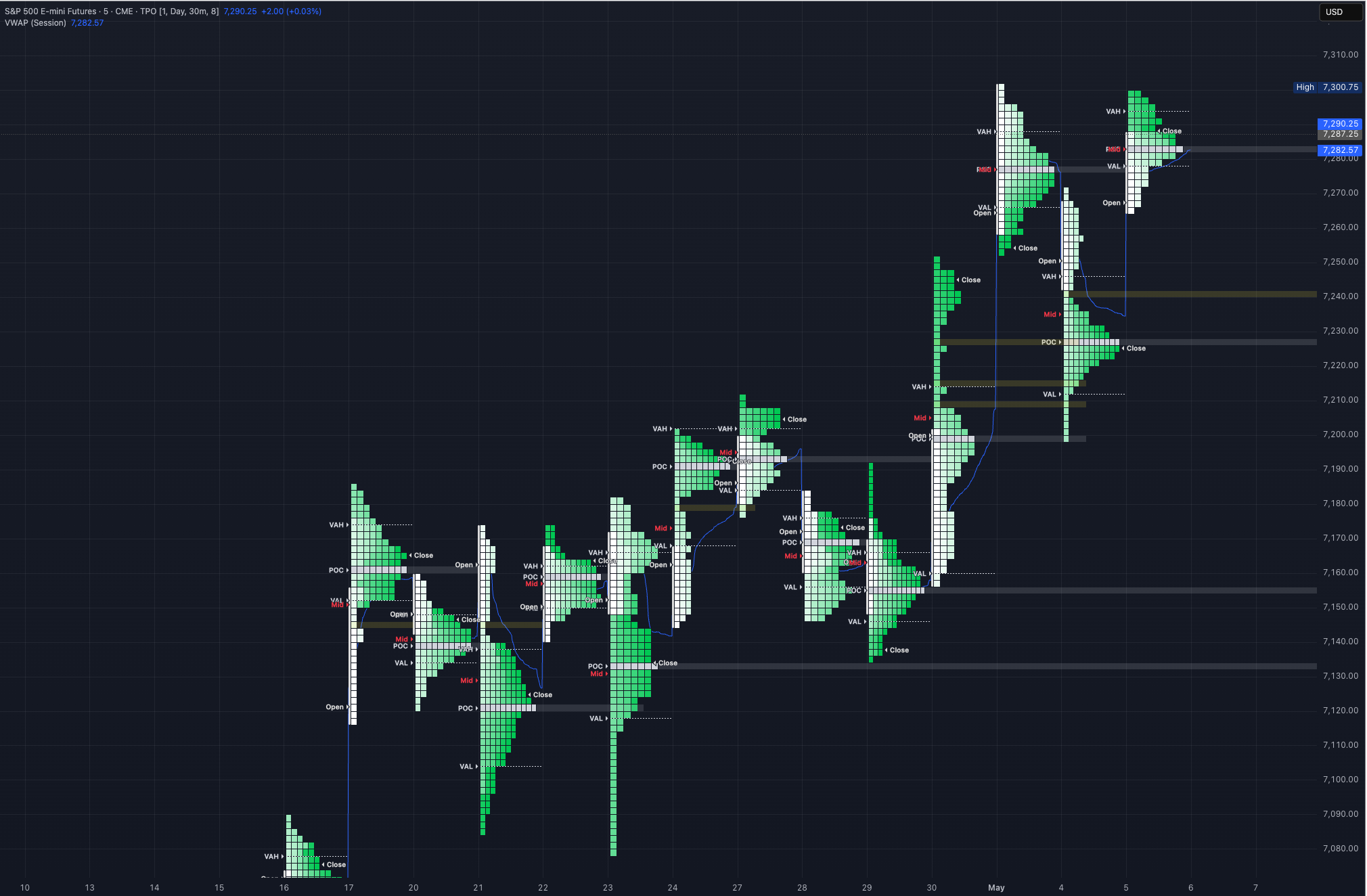
Blockchain analytics provider Kaiko reported that Robinhood's planned cryptocurrency listing of assets was caught up in a front-running incident. It is well known that Robinhood does not provide any notice prior to releasing the list of cryptocurrency assets. However, this time, Funding Rates started to rise days earlier, and Open Interest in multiple listings increased in the hours before each announcement. Furthermore, directional exposure was held by several Hyperliquid wallets just before the news was made public. Remarking on the same, Laurens Fraussen, research analyst at Kaiko, noted, Either informed traders have found a reliable way to front-run public information, or the information was not public to begin with. Tokens affected As expected, this incident affected several tokens. Notably, Zcash [ZEC], Synthetix [SNX], and Near Protocol [NEAR] experienced the highest levels of price volatility and unusual derivative activity. ZEC was trading at $542.21 at press time after a 28% increase in the last day, and a triple-digit increase in the last month further validated the incident. Fraussen added, Pre-listing price drift is consistent across multiple assets, averaging abnormal returns in the 12-hour pre-announcement window However, the price action of SNX and NEAR does not exhibit such volatile price actions. How did Hyperliquid become a problem? On the 15th of January, 2026, a wallet on Hyperliquid opened and closed a long position in Lighter [LIT] for the first time. This occurred within a brief window that surrounded the January announcement, with the wallet entering at $1.96 and exiting at $2.02. Later, on the 28th of April, just hours before Robinhood's earnings miss, the same address opened a short in HOOD at $81.99. It all comes down to the fact that excessive transparency can instantly reveal questionable trading activity. This is the case with Hyperliquid, which uses a fully on-chain order book that makes all trades, wallet addresses, positions, and precise timestamps visible, permanent, and queryable. This is a two-edged sword where, on one hand, possible insider trading makes it easier to identify and raises questions about fairness. However, extreme transparency also allows independent analysts to audit markets without the need for regulators and makes manipulation detectable. Hence, Fraussen put it best when he said, What makes this harder to dismiss is the venue. Price dynamics and more This coincided with Hyperliquid trading at $44.32 at press time, after a 19.96% increase in the past month and a 2.54% jump in the past 24 hours. On the other hand, the stock price of Robinhood is trading at $77.03 after a hike of 0.63% at the time of publishing. At the same time, Robinhood Markets recently reported $1.07 billion in total net revenue for the first quarter of 2026. Final Summary Robinhood is caught in the front-running activity in this Hyperliquid, which, because of its public order book, became the incident's center. Tokens like ZEC also saw enormous price swings, but SNX and NEAR saw comparatively smaller swings.
Robinhood listings spark major Hyperliquid insider trading controversy: Details
This article was originally published on AMBCrypto and is republished here under RSS syndication for informational purposes. All rights and intellectual property remain with the original author. If you are the author and wish to have this article removed, please contact us at [email protected].