Risk Management: The Only Thing You Can Actually Control In Trading
You cannot control the market. But you can control how much of your capital you put in front of it.
 Oriola Timilehin5 min read·Just now
--
Last week I took two trades.
The first one was on USDJPY. I opened two positions. I lost both. One hundred dollars gone.
The second one was on Gold. I risked fifty dollars. It hit my target at a 1:5 ratio and returned $250.
Two trades. One loss. One win. Net positive.
That is not luck. That is risk management.
What risk management actually means
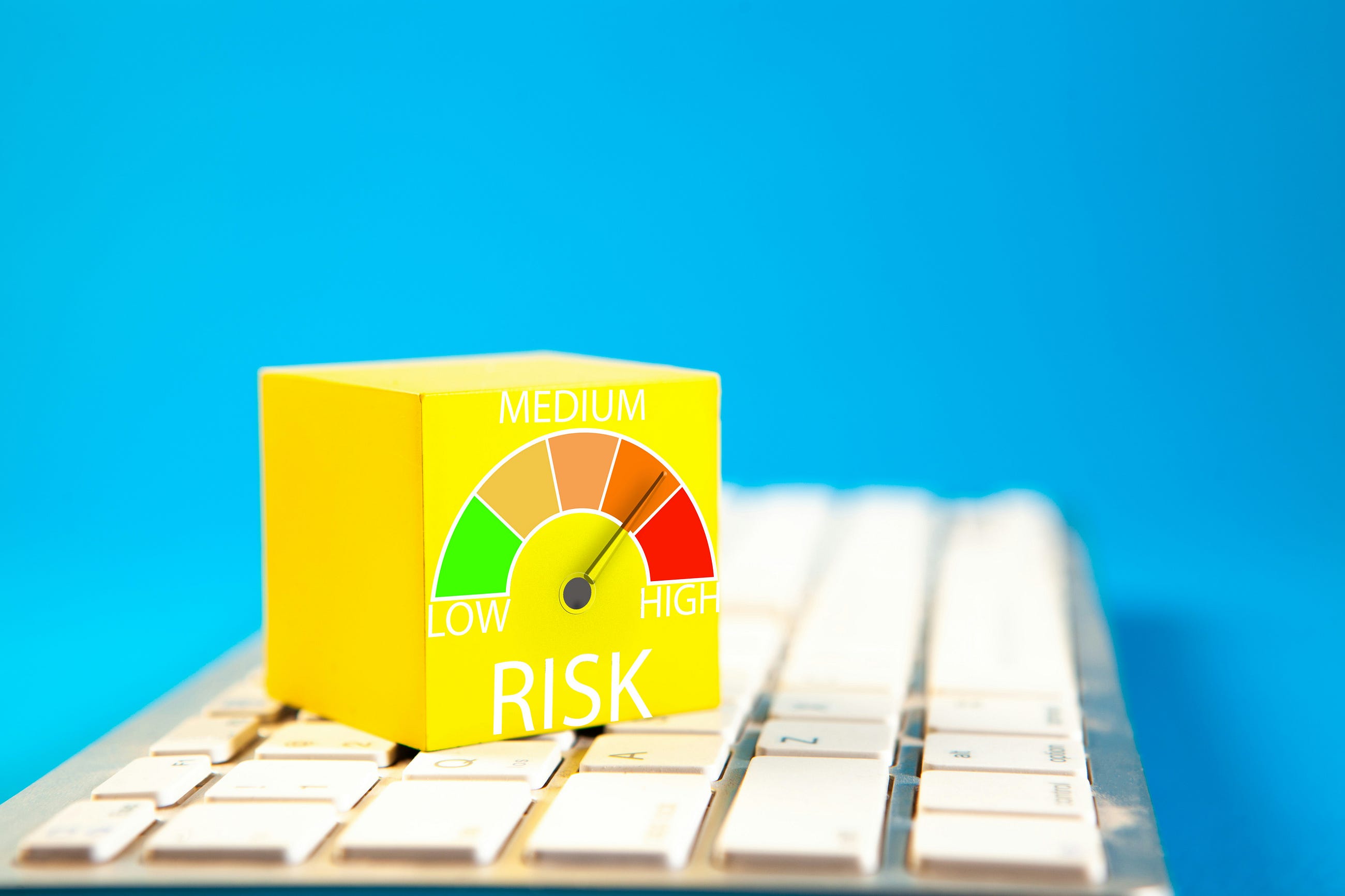
Risk management is not just a trading term. It is the discipline of knowing exactly how much of your capital you are willing to lose on any single trade before you even enter it.
Most people think about how much they can make. Risk management makes you think about how much you can afford to lose.
These are completely different mindsets. And the second one is what keeps you in the game long enough, actually, to become profitable.
When I sit down to trade, the first question I ask is not where is price going. It is how much am I risking on this trade? What percentage of my account am I putting on the line right now?
That question changes everything.
The one rule I never break
I risk a maximum of one to two percent of my account on any single trade. That is it. That is the rule. It does not matter how good the setup looks. It does not matter how confident I feel. One to two percent. Nothing more.
Here is what that looks like in practice.
If I have a five-thousand-dollar account, my maximum risk per trade is fifty dollars. If I have a ten-thousand-dollar account, my maximum risk is one hundred dollars.
This means if I take a trade and it goes wrong, I lose fifty dollars. Not five hundred. Not a thousand. Fifty dollars. That is painful but survivable. I can come back from that.
Now here is where the reward comes in. My minimum risk-to-reward ratio is 1:6. That means if I am risking fifty dollars, I need to see at least three hundred dollars of potential profit before I take that trade. Sometimes I trade at 1:5. That is my floor.
So even if I lose more trades than I win, I can still be profitable. Think about that. If I take ten trades, lose six and win four, but each winner returns six times my risk, I am up significantly on the month. Win rate alone does not determine profitability. Risk management does.
Why most traders blow their accounts
It is not because they have a bad strategy. It is because they break their risk rules the moment things get emotional.
Here is the pattern. A trader loses a trade. They feel frustrated. They want to make it back quickly. So they double their position size on the next trade. They risk five percent instead of one percent. If that trade wins, they feel like a genius. If it loses, they are now down significantly, and the spiral begins.
This is called revenge trading. And it destroys accounts faster than any bad strategy ever could.
I felt that pull this week. After losing one hundred dollars on USDJPY, part of me wanted to go bigger on Gold. I wanted to make it all back in one move.
But I stuck to a fifty-dollar risk. One percent. My rule.
Gold gave me two hundred and fifty dollars back. If I had doubled my risk out of frustration, I might have managed the trade differently. I might have panicked and closed early. I might have moved my stop and taken a bigger loss.
Risk management kept me calm because I knew exactly what I was risking. There was no desperation in that trade.
The power of compounding
Here is what most people miss about risk management. It is not just about protecting yourself from losses. It is about compounding your gains over time.
Think about this. If you consistently make small gains on a well-managed account, those gains compound. Your account grows. And as your account grows, your position sizes grow with it. But your risk percentage stays the same.
Start with a five-thousand-dollar account, risking one percent. Over time, that grows to ten thousand. Now your one percent is one hundred dollars per trade. Your 1:6 return is six hundred dollars per trade. Same discipline, bigger numbers.
This is how wealth is built in trading. Not through massive wins on massive risks. Through consistent, disciplined compounding over time.
A good example of compounding discipline over a long period is Aliko Dangote, Africa’s richest man for fifteen consecutive years, according to Forbes 2026. His current net worth sits at around 28.5 billion dollars, and his fortune grew by approximately 4.6 billion dollars over the past year alone. That growth did not come from one big bet. It came from building businesses over decades, compounding returns through cement, oil refining, fertilizer, and more. Calculated, disciplined decisions over a long period of time. Not quick money.
That is the formula for any kind of wealth building, trading included. Compound discipline over time.
The market does not care about your goals, your bills, or your dreams. It will move, however it moves. You cannot change that. But you can control how much of your capital you expose to it on any given day.
The rule that keeps you in the game
You can follow your plan perfectly and still lose. The market is bigger than any strategy. There will be weeks where everything goes wrong. Choppy markets, unexpected news, setups that should have worked but did not.
Proper risk management is what keeps you in the game long enough to be there when the good weeks come. Because they will come. But only if you are still standing.
One percent per trade. Minimum 1:6 risk-to-reward(Optional). Never revenge trade. Never increase your risk out of emotion.
Do that consistently, and you will outlast ninety percent of traders who started at the same time as you.
The market will always be there. Make sure you are there too.
Oriola Timilehin trades forex and invests in stocks using value principles. He writes about the real process of building wealth, not the shortcut version.