
USDT Risk Analysis
--
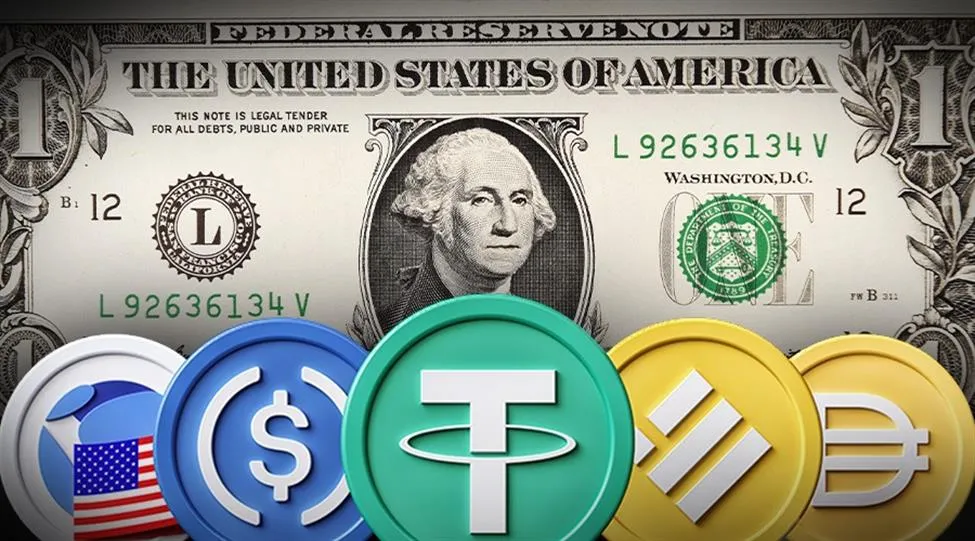
Stablecoins are a class of cryptocurrencies designed to maintain a stable value by pegging their price to a reserve asset, such as the US Dollar, Euro, or other commodities. Unlike volatile cryptocurrencies like Bitcoin or Ethereum, stablecoins aim to provide price stability, making them ideal for transactions, remittances, and as a store of value in the crypto ecosystem. This project focuses on conducting a comprehensive risk assessment of Ethereum USDT Stablecoin, analyzing its security vulnerabilities, market dynamics, and operational risks. The assessment leverages data analytics and SQL to extract meaningful insights from blockchain data.
Top Stablecoin Tokens by Market Capitalization | CoinMarketCap
There are several types of stablecoins:
- Fiat-Collateralized Stablecoins: Backed 1:1 by fiat currency reserves (e.g., USDT, USDC)
- Crypto-Collateralized Stablecoins: Backed by other cryptocurrencies with over-collateralization (e.g., DAI)
- Algorithmic Stablecoins: Use algorithms and smart contracts to control supply and maintain price stability
Stablecoins play a crucial role in the cryptocurrency market by providing liquidity, enabling trading pairs, and serving as a bridge between traditional finance and decentralized finance (DeFi) applications.
Project Objectives
This risk assessment project was approached from the perspective of a Risk Analyst, tasked with evaluating the stability, security, and operational risks associated with Ethereum-based stablecoin operations, specifically focusing on USDT (Tether).
The primary objectives include:
- Comprehensive Risk Identification: Identify and categorize various risk factors affecting USDT on the Ethereum blockchain, including smart contract vulnerabilities, liquidity risks, regulatory concerns, and market volatility.
- Data-Driven Analysis: Leverage SQL queries and data analytics to extract, process, and analyze on-chain data related to USDT transactions, supply metrics, and network activity on Ethereum.
- Risk Quantification: Develop metrics and indicators to quantify risk levels, including reserve transparency, transaction volume patterns, and concentration risks.
- Stakeholder Communication: Present findings in a clear, actionable format through dashboards and presentations that enable informed decision-making for investors, regulators, and business stakeholders.
- Recommendation Development: Provide strategic recommendations for risk mitigation and best practices for interacting with USDT in the Ethereum ecosystem.
Focus on USDT (Tether)
USDT, issued by Tether Limited, is the largest stablecoin by market capitalization and one of the most widely used cryptocurrencies globally. According to CoinMarketCap, USDT maintains its position as the dominant stablecoin in the cryptocurrency market.
Why USDT was selected for this assessment:
- Market Dominance: USDT accounts for the majority of stablecoin trading volume and serves as the primary trading pair on most cryptocurrency exchanges.
- Ethereum Integration: A significant portion of USDT’s supply exists as ERC-20 tokens on the Ethereum blockchain, making it critical to Ethereum’s DeFi ecosystem.
- Risk Profile: USDT has been subject to ongoing scrutiny regarding reserve transparency, regulatory compliance, and operational practices, making it an ideal subject for comprehensive risk analysis.
- Systemic Importance: Given its widespread adoption, any instability in USDT could have cascading effects across the entire cryptocurrency market, particularly within the Ethereum ecosystem.
Key Risk Considerations for USDT:
- Reserve backing and transparency concerns
- Regulatory and legal risks across multiple jurisdictions
- Smart contract security on the Ethereum network
- Centralization risks and issuer dependency
- Market liquidity and redemption mechanisms
As a risk analyst, this project examines these factors through quantitative analysis, historical data review, and comparison with industry benchmarks to provide a holistic view of USDT’s risk landscape within the Ethereum ecosystem.
Key Components
- Risk Analysis Dashboard: An interactive dashboard that visualizes Ethereum’s risk metrics, including volatility measures, smart contract vulnerabilities, and network security indicators.
- StableCoin Integration: Detailed presentation covering the relationship between Ethereum and stablecoins, examining how stablecoin mechanisms affect Ethereum’s ecosystem stability.
- Data-Driven Insights: SQL queries and data analytics techniques applied to on-chain data to identify patterns, anomalies, and potential risk factors.
Dashboard : https://dune.com/suyash0612/stablecoin-usdt-risk-analysis
