
Reserve Taxes: Capital Reserve Ltd Planning for CFD Trading
 Capital Reserve12 min read·Just now
--
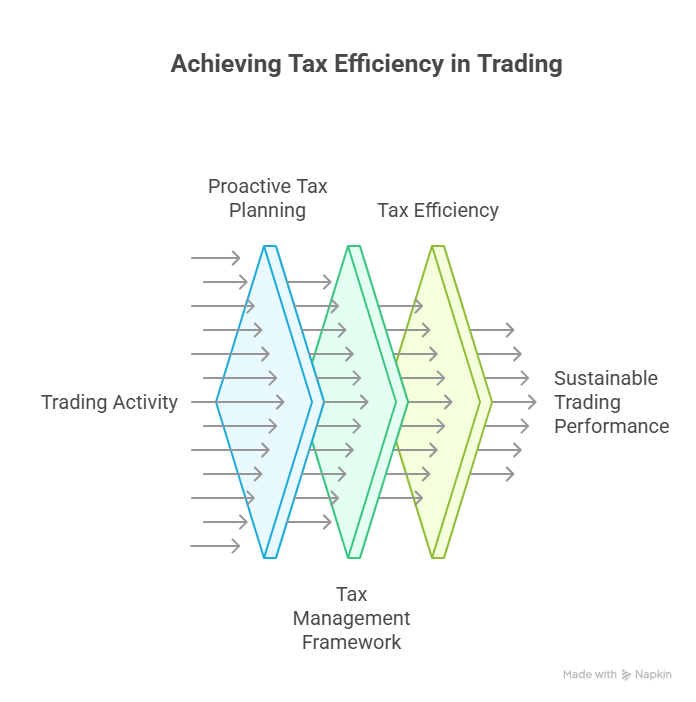
Tax planning represents one of the most consistently underestimated dimensions of trading performance whose neglect creates the avoidable financial costs that inadequate preparation imposes on traders whose gross trading returns are reduced by tax liabilities whose magnitude proper planning would have managed more efficiently. Capital Reserve Ltd approaches tax planning not as an afterthought whose relevance emerges only at year end when the damage of poor planning has already been done but as an integral component of the complete trading framework whose proactive management throughout the trading year creates the tax efficiency that reactive end of year scrambling cannot achieve with equivalent effectiveness.
Understanding how Capital Reserve Ltd supports traders in navigating the tax implications of CFD trading activity, what planning principles its framework develops, and how proactive tax management integrates with the broader trading approach that sustainable performance requires provides the foundational knowledge that serious traders need to approach their tax obligations with the same analytical rigor they apply to their market analysis.
Why Tax Planning is a Trading Performance Dimension
The relationship between tax planning and trading performance is more direct than many traders recognize until the annual tax obligation materializes in amounts whose impact on net returns reveals the cost of inadequate planning throughout the preceding year. Capital Reserve Ltd treats tax planning as a performance relevant trading dimension rather than an administrative obligation whose management belongs entirely outside the trading framework, recognizing that after tax returns represent the actual wealth creation that trading activity produces rather than the gross returns whose impressiveness pre tax figures create without the tax liability deduction that net return calculation requires.
The compounding impact of tax efficiency across multiple trading years creates the wealth accumulation differential that proper planning versus reactive compliance produces over the extended timeframes that serious wealth building trading encompasses. A trader whose gross annual returns are consistent but whose tax management improves net returns by meaningful percentage points through legitimate planning creates the compounding advantage whose accumulation across years produces the significant wealth difference that tax efficiency creates over time relative to the equivalent gross performance with inferior tax management.
Capital Reserve Ltd’s tax planning framework recognizes that CFD trading creates specific tax treatment questions whose answers vary across jurisdictions, trader classifications, and trading activity characteristics in ways that generic tax advice cannot address with the precision that individual trading circumstances demand. The framework provides the conceptual foundation and planning principles that inform productive conversations with qualified tax professionals whose jurisdiction specific expertise creates the personalized advice that general principles cannot substitute for regardless of their quality.
CFD Trading Tax Treatment Fundamentals
CFD trading creates tax obligations whose specific treatment reflects the classification that tax authorities in different jurisdictions apply to derivative instrument profits, with the income versus capital gains distinction, the professional versus retail trader classification, and the specific instrument treatment that different regulatory frameworks establish all creating the tax treatment variability that jurisdiction aware planning must navigate rather than assuming uniform treatment across different tax environments.
Capital gains treatment represents the most favorable tax classification that CFD trading profits receive in many jurisdictions, with the lower rates that capital gains taxes typically impose relative to income tax rates creating the meaningful tax efficiency advantage that capital gains classification provides for traders whose profits qualify for this treatment. Capital Reserve Ltd’s tax planning framework develops the understanding of what characteristics CFD trading activity must exhibit to qualify for capital gains treatment in relevant jurisdictions, recognizing that the frequency of trading, the holding period duration, and the primary income source classification all influence whether tax authorities treat CFD profits as capital gains or ordinary income.
Income tax treatment applies to CFD trading profits in circumstances where tax authorities classify trading activity as a business or professional occupation rather than investment activity, with the higher rates that income tax imposes relative to capital gains creating the less favorable tax outcome that professional trader classification produces despite the potentially higher gross returns that active trading generates relative to passive investment. Capital Reserve Ltd’s framework develops the awareness of the professional trader classification thresholds and indicators that different jurisdictions employ, allowing traders to understand how their activity profile relates to the classification criteria that determine their tax treatment.
Spread betting treatment represents a jurisdiction specific exemption that certain markets provide for particular derivative instruments, with the United Kingdom’s treatment of spread betting profits as tax exempt for most retail traders creating the significant tax advantage that this instrument classification produces relative to CFD trading whose profits are taxable. Capital Reserve Ltd’s tax awareness resources develop the understanding of jurisdiction specific instrument classifications whose tax treatment differences create the planning considerations that instrument selection decisions may incorporate when tax efficiency objectives are considered alongside the analytical and execution quality factors that instrument selection typically prioritizes.
Key Tax Planning Principles for Capital Reserve Ltd Traders
Capital Reserve Ltd develops tax planning principles whose application throughout the trading year creates the proactive management that end of year tax efficiency requires rather than the reactive compliance that addressing tax obligations only when they crystallize at year end produces without the planning opportunities that earlier attention would have created.
Record keeping discipline represents the most fundamental tax planning principle that Capital Reserve Ltd emphasizes for its trading clients, with the comprehensive documentation of all trading activity including entry and exit dates, prices, position sizes, instrument descriptions, and associated costs creating the accurate foundation that tax return preparation requires and that tax authority examination would demand in the event of review. The trade history and account statement infrastructure that Capital Reserve Ltd’s platform maintains creates the starting point for the record keeping that traders supplement with their own documentation of the tax relevant information that platform records capture alongside the personal context that tax return preparation requires.
Profit and loss calculation methodology whose accurate application to trading activity creates the correct tax base requires the understanding of which costs are deductible against trading profits, how unrealized gains and losses are treated at year end, and how the wash sale rules and similar provisions that some jurisdictions apply to derivative instruments affect the loss recognition that trading activity generates. Capital Reserve Ltd’s tax planning resources develop the awareness of these calculation methodology questions whose answers inform the tax return preparation that accurate profit and loss documentation supports.
Loss utilization planning represents the tax planning dimension that converts trading losses from pure performance negatives into the tax assets whose strategic utilization against other income or future gains creates the tax efficiency benefit that loss carry forward provisions allow in many jurisdictions. Capital Reserve Ltd’s framework develops the understanding of how trading losses can be utilized within the applicable rules, when loss crystallization before year end creates the tax planning opportunity that unrealized loss positions represent, and how loss documentation creates the audit trail that loss utilization claims require when tax authorities examine the returns that loss deductions affect.
Timing of income recognition whose management creates the tax year allocation that distributes trading profits across years in ways that rate bracket management, loss offset optimization, and other timing sensitive tax considerations favor requires the year end awareness that Capital Reserve Ltd’s tax planning framework develops for the deliberate income timing decisions that the trading activity management of open positions at year end can create. The closing of profitable positions before year end that accelerates income recognition, or alternatively the deferral of profit realization into the following tax year that maintaining positions creates, both represent timing decisions whose tax implications merit consideration alongside the market analysis that position management ordinarily prioritizes.
Jurisdiction Specific Considerations for Capital Reserve Ltd Traders
Tax treatment of CFD trading varies significantly across the jurisdictions that Capital Reserve Ltd’s international client base spans, with the specific rules, rates, and classifications that different national tax systems apply to derivative instrument profits creating the jurisdiction specific planning requirements that traders in different countries must navigate through the local professional advice that general principles cannot substitute for with equivalent precision.
French tax treatment of CFD trading profits applies the prélèvement forfaitaire unique flat tax regime to financial instrument gains, with the combined income tax and social charges rate that this regime applies creating the tax planning context that French resident traders must understand for their Capital Reserve Ltd trading activity. The specific declaration requirements, the applicable forms, and the interaction between trading income and other financial income sources that French tax treatment creates all represent the jurisdiction specific details that Capital Reserve Ltd’s French resident traders address through the professional tax advice that French tax complexity demands alongside the planning principles that general frameworks provide.
United Kingdom tax treatment creates the capital gains tax framework that most retail CFD traders encounter, with the annual exempt amount that allows a defined level of gains before tax applies, the rate differential between basic and higher rate taxpayers, and the specific rules around loss offset and carry forward that CGT treatment creates all representing the UK specific planning considerations that Capital Reserve Ltd’s British client traders incorporate into their annual tax management. The potential classification as trading income rather than capital gains for high frequency traders whose activity resembles a business rather than investment activity represents the UK specific classification risk that volume and frequency aware planning must address.
Belgian and other European jurisdiction treatments create their own specific frameworks whose interaction with the EU regulatory environment and national tax policies creates the planning context that traders in these jurisdictions navigate through local professional guidance that Capital Reserve Ltd’s general framework supports rather than replaces.
International and expatriate situations whose cross border income creates the dual jurisdiction considerations that determining primary tax residence, avoiding double taxation through treaty provisions, and meeting declaration requirements in multiple jurisdictions demands represent the most complex tax planning circumstances that Capital Reserve Ltd traders encounter, requiring the specialized international tax advice that these multi-jurisdictional situations create beyond the scope of single jurisdiction planning.
Cost Deductibility for Capital Reserve Ltd Trading Activity
The identification and documentation of the costs associated with Capital Reserve Ltd trading activity whose deductibility against trading profits reduces the net taxable income that tax liabilities are calculated on represents a practical tax planning dimension whose proper management reduces tax obligations through the legitimate cost recognition that accurate deduction claims create.
Platform and subscription costs including the fees associated with analytical tools, data subscriptions, educational resources, and platform access that trading activity requires may be deductible against trading profits in jurisdictions where trading activity qualifies for business or professional income treatment, with the documentation of these costs creating the evidence that deduction claims require when tax returns reflect their inclusion in the cost base that profit calculation employs.
Professional advice costs including the accountancy, tax advisory, and legal fees that managing trading activity’s tax compliance generates may themselves be deductible as costs of the trading activity whose tax management they support, creating the tax efficiency benefit that the cost of proper tax planning partially offsets through the deductibility that professional advice expenses create when trading activity qualifies for the business treatment that renders these costs deductible.
Technology and equipment costs whose allocation to trading activity reflects their genuine use in producing trading income may be partially deductible where the business income treatment that full deductibility requires applies to the trading activity whose conduct the equipment and technology supports. Capital Reserve Ltd’s tax planning resources develop the cost allocation principles that reasonably attributing shared use costs between trading and personal purposes demands for the deduction claims that properly allocated business proportions support.
Financing costs including the overnight financing charges that Capital Reserve Ltd positions held beyond the daily rollover incur represent trading costs whose deductibility against trading profits reduces the net income that tax calculations apply rates to, with the documentation of these charges through Capital Reserve Ltd’s account statements creating the cost evidence that deduction claims require.
VAT and Transaction Tax Considerations
Value added tax and financial transaction tax treatment of CFD trading creates additional tax dimensions whose relevance varies across jurisdictions and whose interaction with income and capital gains tax obligations creates the complete tax picture that comprehensive planning must address rather than focusing exclusively on the profit and loss based taxes that trading returns most directly generate.
Financial transaction tax regimes that certain European jurisdictions have implemented or proposed create the per transaction cost that applies to specific instrument types and trading activity characteristics in ways that planning awareness can inform instrument selection and trading frequency decisions whose modification in response to transaction tax considerations creates the cost management that transaction tax aware planning enables. Capital Reserve Ltd’s tax planning resources develop the awareness of financial transaction tax regimes whose application to trading activity creates these additional cost considerations.
VAT treatment of financial services including the platform fees, subscription costs, and advisory fees that trading activity generates typically benefits from the financial services VAT exemption that most jurisdictions apply to these service categories, with the implications for cost recovery and the interaction with VAT registered business situations creating the specific VAT planning questions that traders whose circumstances include business registration address through the professional advice that VAT complexity in financial services contexts demands.
Tax Reporting and Compliance for Capital Reserve Ltd Activity
The accurate and timely reporting of Capital Reserve Ltd trading activity in tax returns represents the compliance obligation whose proper fulfillment creates the legal certainty that trading activity requires and whose failure creates the penalties, interest charges, and enhanced scrutiny that non compliance attracts regardless of whether the underlying tax position would have been favorable with proper reporting.
Self assessment obligations that most jurisdictions impose on traders whose income includes capital gains or business income from trading activity require the proactive registration for self assessment where not already registered, the accurate calculation of taxable income from trading activity, and the timely submission of returns by the applicable deadlines whose breach creates the automatic penalties that late filing incurs regardless of whether the return would show tax owing or a refund position.
Capital Reserve Ltd’s account statement and trade history infrastructure creates the documentation foundation that accurate tax reporting requires, with the comprehensive records of all trading activity, associated costs, and account balance changes providing the raw data that tax return preparation transforms into the organized profit and loss calculations that return completion demands. Traders whose Capital Reserve Ltd activity represents a significant portion of their annual income should establish the systematic record keeping practices that maintaining current and complete documentation throughout the year creates rather than the retrospective reconstruction that attempting to compile accurate records after the fact demands with considerably more effort and greater risk of error.
Professional tax advice engagement whose timing reflects proactive rather than reactive planning creates the opportunity for the tax position optimization that year end planning enables before the tax year closes rather than the compliance focused advice that addressing the fixed facts of a completed tax year produces without the optimization opportunities that earlier engagement would have identified and implemented.
Integrating Tax Planning with Capital Reserve Ltd Trading Strategy
The integration of tax planning considerations with trading strategy decisions creates the holistic performance optimization that treating trading returns and tax obligations as separate domains cannot achieve with equivalent efficiency. Capital Reserve Ltd’s framework develops the integration awareness that informing trading decisions with their tax implications without allowing tax considerations to override the analytical quality that trading decisions primarily require creates the balanced approach that genuine performance optimization demands.
Position holding period decisions whose duration affects the capital gains versus income classification that different holding periods receive in some jurisdictions create the tax aware holding period management that Capital Reserve Ltd’s framework incorporates as a legitimate trading decision dimension alongside the analytical and risk management considerations that holding period decisions primarily reflect. The capital gains rate advantage that longer holding periods create in jurisdictions where short term gains receive income treatment creates the tax efficiency incentive that analytically appropriate extensions of holding periods beyond minimum trade management durations may justify through the tax savings that preferential rate qualification produces.
Year end portfolio review whose tax planning dimension examines unrealized gains and losses for crystallization opportunities before the tax year closes creates the systematic integration of tax awareness into the position management decisions that Capital Reserve Ltd traders make in the final weeks of each tax year. The loss crystallization that closing underwater positions before year end enables, the gain deferral that maintaining profitable positions into the following year creates, and the portfolio rebalancing that combining investment and tax objectives produces in year end reviews all represent the integration opportunities that Capital Reserve Ltd’s tax planning framework develops for the traders whose annual performance optimization extends beyond the market returns that trading generates to the net returns that tax management determines.
Conclusion
Capital Reserve Ltd’s tax planning framework across CFD treatment fundamentals, jurisdiction specific awareness, cost deductibility principles, compliance requirements, and strategy integration creates the comprehensive foundation that serious traders require to approach their tax obligations with the proactive management that net return optimization demands. Each dimension of tax planning contributes to the after tax performance that represents the actual wealth creation that trading activity produces rather than the gross returns whose impressive appearance before tax obligation deduction overstates the genuine financial progress that net performance measures accurately.
No tax planning framework substitutes for the qualified professional advice that individual trading circumstances in specific jurisdictions require for the accurate and optimized tax position that general principles alone cannot create with sufficient precision for the complex and jurisdiction specific tax situations that active CFD trading generates. Capital Reserve Ltd’s tax planning resources provide the informed foundation that productive professional advice engagements build upon rather than the complete tax solution that professional consultation alone can deliver.
Traders whose performance ambitions include the net return optimization that tax planning efficiency creates will find in Capital Reserve Ltd a platform whose holistic performance framework treats tax planning as the integral trading dimension whose proactive management creates the after tax wealth building that ambitious trading objectives deserve from the complete performance optimization that gross return maximization without tax efficiency management cannot deliver with equivalent effectiveness.