Reserve Psychology: Capital Reserve Mindset
 Capital Reserve7 min read·Just now
--
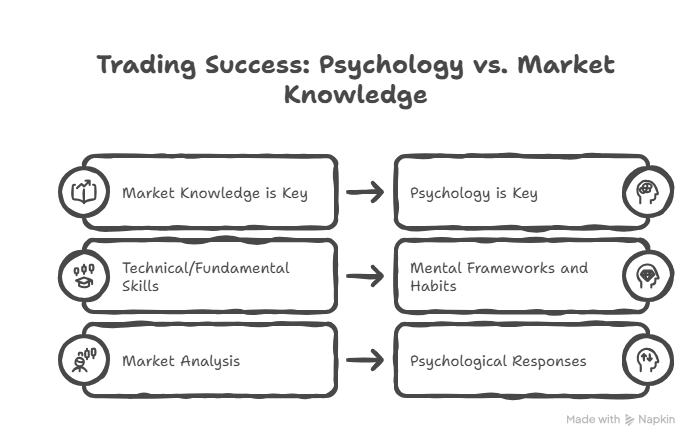
Success in trading depends less on what you know about markets and more on how you manage your own psychology. The mental frameworks, emotional patterns, and behavioral habits that separate consistently profitable traders from those who struggle have little to do with technical analysis or fundamental research. They involve how you respond to uncertainty, handle losses, manage wins, and maintain discipline through the inevitable psychological pressures that trading generates.
The Mental Challenge of Trading
Trading confronts you with psychological challenges unlike almost any other profession. Most careers reward hard work with proportional outcomes. Study harder, get better grades. Work longer hours, produce more results. These direct cause-and-effect relationships create psychological comfort through perceived control.
Trading offers no such comfort. Perfect analysis can lead to losses when unexpected news moves markets. Terrible analysis occasionally produces profits through random luck. Hard work researching trades doesn’t guarantee success. This disconnect between effort and outcome creates profound psychological stress.
The financial stakes intensify this stress. Every decision directly impacts your wealth. Losses feel like personal failures even when they result from probability rather than mistakes. Wins create overconfidence that leads to careless risk-taking.
Isolation amplifies these pressures. No boss provides structure or feedback. No colleagues offer support during difficult periods. You sit alone making decisions, with no one to blame but yourself when things go wrong.
Understanding that trading is fundamentally a psychological challenge rather than a technical one represents the crucial first insight. The charts, indicators, and strategies matter far less than your ability to execute them consistently despite intense emotional pressure.
Developing Emotional Awareness
Most traders try to eliminate emotions from their trading. They seek detachment, attempting to view positions as abstract numbers rather than representations of real money. This approach fails because emotions are inevitable human responses to uncertainty and risk.
Effective psychological approaches acknowledge emotions rather than fighting them. You will feel fear when positions move against you. You will experience greed when positions become profitable. You will feel frustration during losing streaks and euphoria during winning streaks. These emotional responses are normal and unavoidable.
The skill that matters is preventing emotions from driving your decisions. You need to feel fear but execute your predetermined stop loss anyway. You need to experience greed but take profits at your planned targets rather than holding for unrealistic gains.
Creating this separation between feeling and action requires self-awareness of your emotional triggers and behavioral patterns. Most traders have specific situations that reliably trigger destructive behaviors. Some overtrade when bored. Others revenge trade after losses. Many freeze during opportunities after recent mistakes.
Identifying your specific patterns allows you to build safeguards against them. If you know you revenge trade after losses, you can implement mandatory cooling-off periods. If you know boredom leads to overtrading, you can schedule specific analysis times. If wins make you reckless, you can reduce position sizes after profitable periods.
Capital Reserve encourages traders to maintain psychological journals alongside their trade logs. Documenting emotional states and psychological challenges builds the self-awareness necessary for managing destructive patterns.
The Psychology of Losses
Your relationship with losses determines your long-term trading success more than any other single factor. Every profitable trading strategy loses money on some percentage of trades. The difference between winning and losing traders isn’t avoiding losses but managing them psychologically and practically.
Most people interpret losses as personal failures even when they result from executing proven strategies correctly. This psychological framing creates destructive emotional spirals. A loss leads to self-criticism, which creates stress and doubt, which leads to hesitation or impulsive behavior, which produces more losses.
Professional traders reframe losses as business expenses rather than personal failures. If you operate a retail store, not every customer makes a purchase. Those who browse without buying don’t represent failures. Similarly, losing trades don’t represent analytical failures. They represent normal variance in probabilistic outcomes.
This reframing requires distinguishing between good losses and bad losses. Good losses result from following your rules and executing your strategy correctly. The trade setup met all your criteria. You sized the position appropriately. The trade simply didn’t work out. This represents success in process execution despite unfavorable outcome.
Bad losses result from breaking your rules or poor execution. You entered a trade that didn’t meet all your criteria. You risked too much on a single position. You moved your stop loss to avoid taking the loss. These losses represent execution failures requiring correction.
Tracking both types of losses separately provides psychological benefits. When you see that you’re executing your process correctly but experiencing normal variance, you maintain confidence in your approach.
Capital Reserve’s analytics tools help traders categorize losses and track execution quality separately from outcomes, supporting the psychological reframe necessary for healthy relationships with inevitable losses.
Managing the Psychology of Wins
Winning creates psychological challenges as destructive as losing, though traders rarely recognize this. Profits generate overconfidence that leads to careless risk-taking. Success creates complacency that reduces discipline. Big wins produce euphoria that clouds judgment.
The most dangerous psychological pattern is the win-lose-chase cycle. A trader hits a big win and experiences intense positive emotions. This emotional high leads to overconfidence and reduced caution on the next trade. When that trade loses, the trader feels compelled to recover the lost profits quickly, leading to impulsive positions.
Breaking this cycle requires treating wins with the same analytical detachment you apply to losses. A winning trade doesn’t validate your genius. It represents favorable variance from a probabilistic process. Just as losses don’t prove incompetence, wins don’t prove exceptional skill.
Professional traders often reduce position sizes after significant wins rather than increasing them. This counterintuitive approach acknowledges that wins create psychological vulnerability to overconfidence. Reducing risk after wins protects against the most common post-win mistake of taking excessive risk on subsequent trades.
Establishing rules for profit-taking before entering positions prevents the common pattern of letting winning positions turn into losses. Predetermined profit targets enforce discipline when greed suggests holding for larger gains.
Capital Reserve emphasizes that consistent profitability comes from many small wins and controlled losses rather than occasional massive gains.
Building Sustainable Discipline
Discipline in trading means executing your predetermined plan regardless of how you feel in the moment. It means taking trades your rules indicate despite fear. It means cutting losses your rules require despite hope for reversal. It means staying out when no valid setups exist despite boredom.
Most traders approach discipline through willpower, attempting to force themselves to follow rules through sheer determination. This approach fails because willpower depletes under stress. Sustainable discipline requires systems that make following your rules easier than breaking them.
Checklists transform vague intentions into concrete verification processes. Rather than generally planning to “only take good setups,” you create specific checklists of criteria that must be verified before entry. You can’t enter a trade until you’ve checked every box.
Mandatory waiting periods prevent impulsive decisions driven by emotional reactions. Some traders implement rules requiring thirty minutes between identifying an opportunity and entering the position. This cooling-off period allows emotional intensity to decrease.
Position sizing formulas based on account percentage rather than arbitrary dollar amounts enforce risk management automatically. When you must calculate position size based on 1% account risk and specific stop loss distance, you can’t impulsively oversize positions.
Accountability mechanisms provide external motivation for discipline. Some traders share their trading plans with mentors or peers. Others use public accountability through trading journals. The knowledge that others will see your decisions creates social pressure supporting discipline.
Capital Reserve provides tools supporting these disciplined approaches, including checklist templates, position sizing calculators, and journaling features.
Realistic Expectations and Timeline
Unrealistic expectations about profit potential and timeline to profitability create psychological pressures that undermine rational trading. Traders who expect to double accounts monthly take excessive risks. Those expecting profitability within weeks become discouraged during normal learning curves.
Professional traders and institutions typically target annual returns between 10–30%. Individual retail traders hoping to achieve 100% monthly returns are setting themselves up for psychological failure.
The path to consistent profitability typically requires years of dedicated learning and practice. Most traders need at least one complete market cycle experiencing both trending and ranging conditions before their strategies become robust. Expecting profitability within months creates psychological pressure that leads to strategy hopping.
Understanding that losses and drawdowns are inevitable at every skill level prevents the psychological spiral where temporary underperformance triggers doubt. Even the most successful traders experience losing months. These periods don’t indicate strategy failure. They represent normal variance.
Measuring progress through process metrics rather than profit metrics maintains motivation during difficult periods. Tracking whether you followed your rules and whether you’re executing with discipline provides evidence of competence even during temporary drawdowns.
Capital Reserve sets realistic expectations in all educational materials. The platform doesn’t promise quick riches or easy profits. It prepares traders for the genuine timeline required to develop expertise.
Final Thoughts
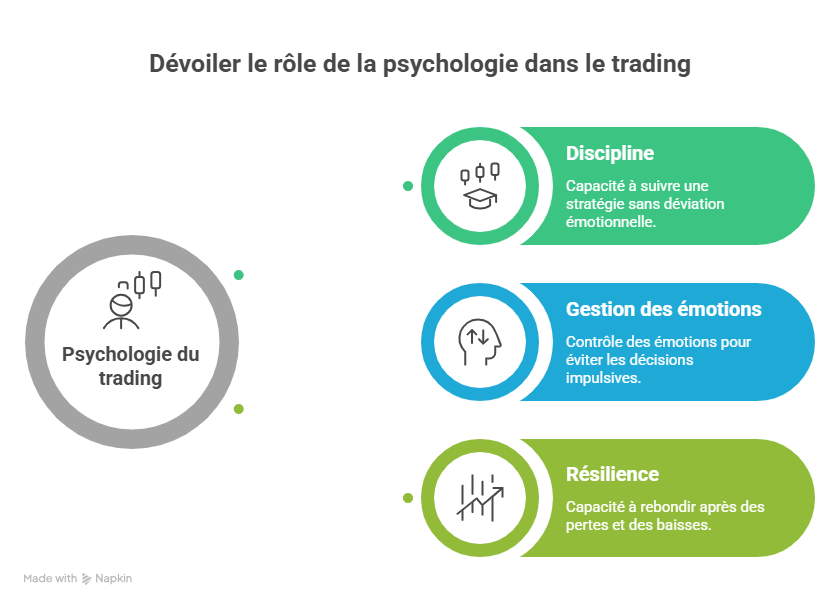
Trading psychology isn’t a peripheral soft skill. It’s the foundation determining whether technical knowledge translates into consistent profitability. You can possess the world’s best strategy, but without psychological discipline to execute it through inevitable challenges, that strategy provides no value.
Capital Reserve provides tools, education, and community support specifically designed to help traders develop psychological skills essential for long-term success. The platform recognizes that trading success depends primarily on mental mastery rather than analytical sophistication.
Your journey will be determined more by psychological development than technical knowledge. The traders who succeed develop self-awareness, emotional management, discipline, realistic expectations, and healthy relationships with both wins and losses.
The market will test your psychology relentlessly, exposing every weakness and vulnerability. This isn’t punishment. It’s feedback. Each psychological challenge represents an opportunity to grow and become more capable. Embracing this growth process creates the foundation for genuine expertise and sustainable success.
Trading involves significant psychological stress and financial risk. Prioritize your mental health alongside your financial goals. This article is educational and does not constitute financial or psychological advice.