Qatari negotiators travel to Tehran to finalize US-Iran agreement, and crypto markets are watching closely
Qatar is playing middleman in a high-stakes US-Iran deal that involves frozen assets, nuclear talks, and a Strait of Hormuz reopening, while Bitcoin rallies on improved peace odds.
Share
Add us on Google by Editorial Team Jun. 10, 2026A Qatari negotiating team arrived in Tehran on May 22 to help broker what could become the most consequential US-Iran agreement in years. The deal on the table touches everything from nuclear enrichment to shipping lanes, and crypto markets are already pricing in the optimism.
Bitcoin has climbed back to around $75,000, recovering from recent lows in the $74,000-$75,000 range, as prediction market odds for a peace deal surged to 37%.
What’s actually on the table
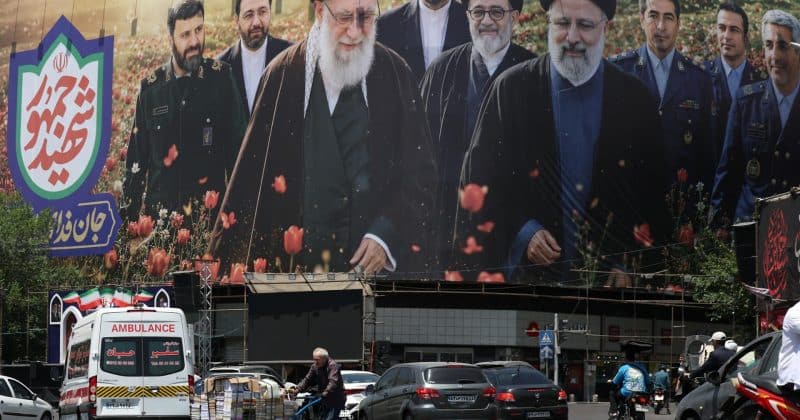
The negotiations involve some of the most senior figures in Iranian politics. Foreign Minister Abbas Araghchi and Parliament Speaker Mohammad Bagher Ghalibaf are both part of the discussions, signaling that Tehran is treating this as a top-tier diplomatic event rather than a preliminary chat.
The proposed agreement covers several critical fronts. Reopening the Strait of Hormuz, through which roughly a fifth of the world’s oil passes daily, is a centerpiece. Lifting US port blockades is also in the mix.
AdvertisementThe deal envisions a 30-to-60-day window for further nuclear talks, specifically addressing Iran’s stockpile of highly enriched uranium.
Iran’s price for even signing an initial memorandum of understanding: the release of $12 billion in frozen assets currently held in Qatar.
Qatar’s role here isn’t accidental. The Gulf state has spent years cultivating relationships with both Washington and Tehran, positioning itself as the rare diplomatic bridge between two countries that barely speak directly. These negotiations have reportedly been in motion since April 2025, making Qatar’s shuttle diplomacy a long game rather than a sudden pivot.
An Iranian delegation also traveled to Doha for extended talks focused on regional issues, suggesting the conversation is happening on multiple tracks simultaneously. The Strait of Hormuz discussions and nuclear program talks are being handled as interconnected but separable threads.
Why crypto cares about Middle East diplomacy
Bitcoin’s recent price action tells that story clearly. The recovery from lows around $74,000-$75,000 has coincided directly with improving sentiment around these negotiations. Prediction markets moved to 37% odds of a deal as of May 25, and traders responded by moving back into risk-on positions.
What investors should actually watch
The 37% prediction market odds also mean the market is pricing in a nearly two-thirds chance that this falls apart.
The 30-to-60-day nuclear negotiation window is the timeline to circle on the calendar. If the initial MoU gets signed and that clock starts ticking, expect heightened volatility in both directions.
Bitcoin sitting at $75,000 with a 37% peace probability means there’s significant upside priced in if the deal materializes and significant downside if talks collapse. A successful agreement likely produces a moderate, sustained rally as risk premiums compress. A breakdown, especially one involving escalation around the Strait of Hormuz, could trigger a sharper, faster selloff.
Disclosure: This article was edited by Editorial Team. For more information on how we create and review content, see our Editorial Policy.