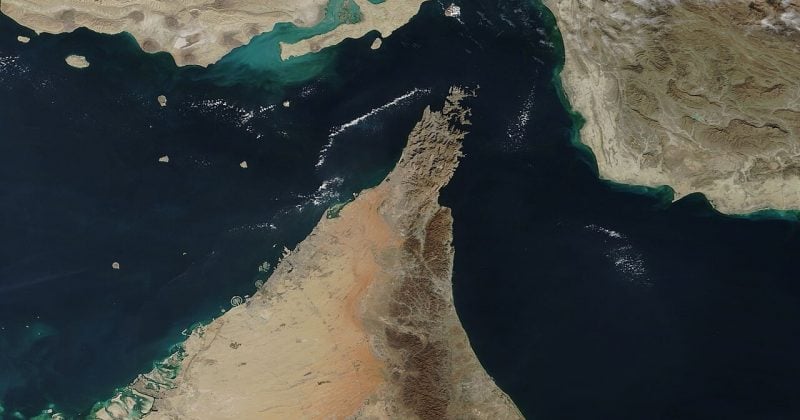
Qatar opposes permanent legal fees, negotiates temporary toll at Strait of Hormuz
The Gulf state is pushing back against a lasting fee regime while signaling openness to a short-term arrangement as Doha mediates between Washington and Tehran.
Share
Add us on Google by Editorial Team May. 30, 2026Qatar has drawn a line in the sand, or more precisely, in the water. The Persian Gulf nation is opposing any permanent toll or fee structure on the Strait of Hormuz, calling such measures a violation of international law, while simultaneously expressing willingness to negotiate a temporary arrangement to restore passage through the world’s most critical oil chokepoint.
The Strait of Hormuz handles roughly 20 million barrels of oil every single day.
Since the blockade began in late February 2026, Iran has been charging what it calls “navigational service fees” on vessels transiting the strait. Those fees have reportedly exceeded $1 million per vessel. Iran’s Foreign Ministry has been careful with language, insisting these are service fees rather than tolls, a distinction that carries significant weight under international maritime law.
AdvertisementDuring past regional conflicts, temporary toll arrangements have peaked at around $2 million per vessel.
Qatar, Saudi Arabia, and the UAE issued a joint warning through the International Maritime Organization on May 25, 2026, advising vessels against complying with Iranian fee demands.
The real action is happening in Qatar’s capital, where Doha is mediating discussions between US and Iranian officials. The talks are multifaceted, but the central bargaining chip is significant: the potential unlocking of up to $6 billion in frozen Iranian assets.
Iran’s position, as articulated by its Foreign Ministry around May 25, is that service fees are necessary to maintain navigational infrastructure.
A permanent fee regime on the Strait of Hormuz would represent a structural shift in global trade costs. The strait handles a fifth of the world’s petroleum consumption. Energy prices have already been volatile since the blockade began in late February 2026.
Traders should watch the Doha talks closely. The difference between a temporary toll that expires in six months and a permanent fee regime is, for markets, the difference between a speed bump and a structural realignment. Qatar is betting it can deliver the former. Whether Iran agrees will depend largely on what happens with that $6 billion in frozen assets.
Disclosure: This article was edited by Editorial Team. For more information on how we create and review content, see our Editorial Policy.