 Adeyemi Adekunle2 min read·Just now
--
Project Research: QUANT NETWORK
Quant Network is an interoperability focused infrastructure project designed to connect fragmented blockchain and financial systems without requiring them to change their core architecture. Quant introduced Overledger, an operating system that sits above blockchains and enterprise networks, enabling seamless communication between them.
Rather than building a new chain, Quant’s approach is to act as a universal connector, bridging public blockchains, private ledgers, and legacy financial systems. This positioned it early as an enterprise first solution, targeting banks, governments, and institutions exploring tokenisation and digital assets.
How it works
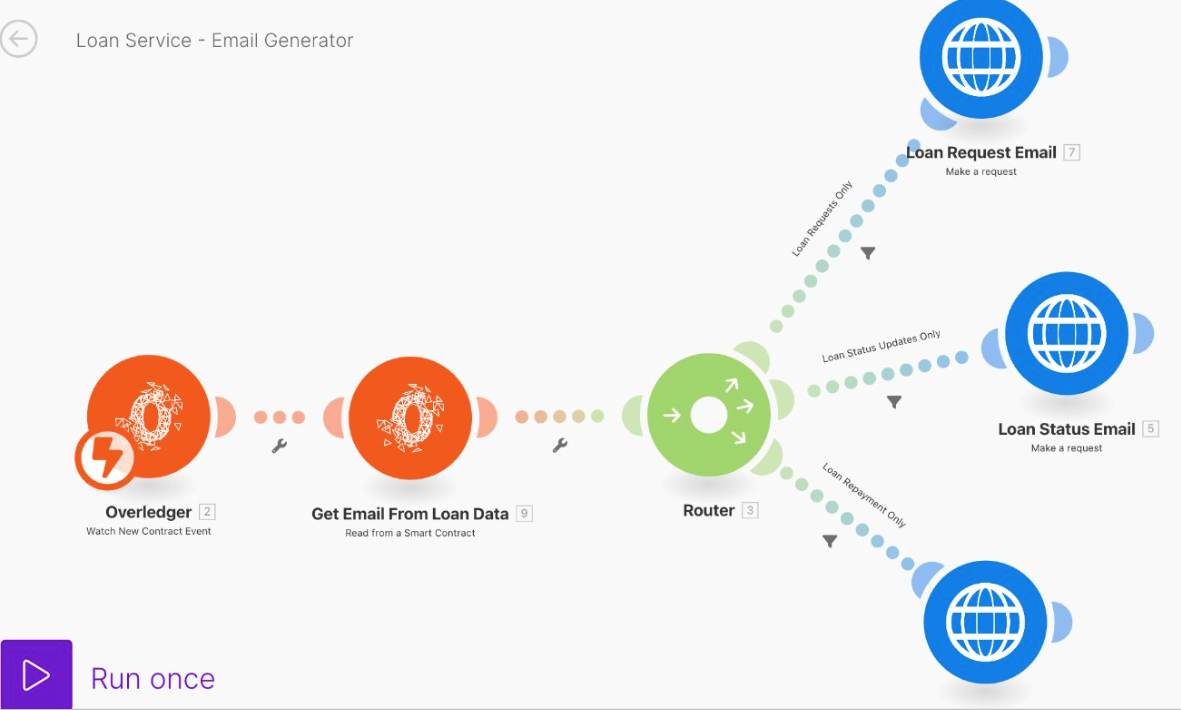
Quant operates through Overledger, which functions as a gateway layer enabling interoperability across multiple networks.
> Overledger Gateways connect blockchains, enterprise systems, and APIs.
> mDApps (multi-chain applications) run across multiple networks simultaneously.
> Developers & Enterprises use standardized APIs to build cross-chain solutions.
Instead of relying on bridges, Quant enables direct interaction between systems, reducing complexity and improving security. This allows developers to build applications that can read and write data across different blockchains without fragmentation.
A key component is the QNT token, which is used for:
> Accessing Overledger services
> Paying licensing and usage fees
> Enabling participation in the network (e.g., gateways, services)
Recent upgrades focus on expanding Overledger Fusion, a framework for cross-chain asset issuance and settlement, particularly for tokenised assets like deposits, securities, and stable value instruments.
Quant is building a connectivity layer for digital finance, enabling different blockchains and financial systems to operate as one unified network.
Its model avoids the need for new chains or complex bridging, instead offering a plug-and-play interoperability solution that integrates directly with existing infrastructure. This makes it highly relevant in a future driven by tokenised assets, CBDCs, and multi-chain ecosystems.
Quant operates in the interoperability and cross-chain infrastructure sector, competing with projects solving blockchain fragmentation. There are competitors like; Polkadot, Cosmos, Chainlink and LayerZero.
Quant’s edge lies in its operating system approach, which connects existing systems without requiring them to migrate or adopt new standards. This makes it more appealing to enterprises, while competitors often rely on building new ecosystems or bridging between chains, giving Quant a more institution-friendly and scalable interoperability model.