Optimizing International Payment Success Rates for Global Brands: Strategies to Minimize Chargebacks
 Exworth4 min read·Just now
--
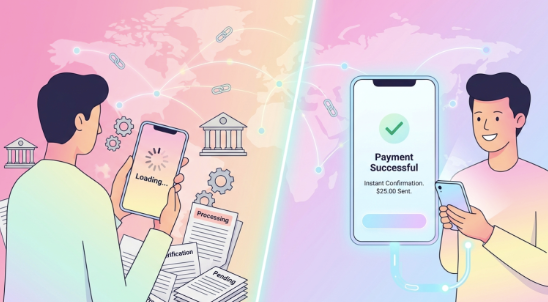
As brands expand internationally, payment friction becomes a critical bottleneck. Low authorization rates and high chargeback volumes can erode up to 15% of potential revenue, with global e-commerce payment failures costing $443 billion annually, as of recent estimates. Cross-border transactions face unique hurdles like currency mismatches, regional compliance, and fraud flags, but targeted optimizations can boost success rates by 5–10% while slashing chargebacks by over 50%. This article outlines proven strategies, backed by industry data and real-world cases.
Understanding the Payment Decline Landscape
Payment declines stem from three core issues: technical glitches (e.g., mismatched billing descriptors), consumer behavior (e.g., abandoned carts due to poor UX), and risk signals (e.g., high-velocity transactions triggering issuer blocks). In cross-border scenarios, success rates average 75–85% versus 90%+ for domestic flows, primarily because foreign acquirers are deemed higher-risk by issuing banks.
Chargebacks exacerbate this: the global volume hit 300 million in 2025, projected to rise 42% to 3.38 million by 2026, driven by subscription disputes in Europe and logistics delays in Southeast Asia. For DTC brands, a 1% authorization uplift translates to millions — Postmates gained $60 million yearly from simple card updater tools. Visa and Mastercard impose penalties above 1% chargeback ratios, amplifying costs.
Strategy 1: Localize Acquiring and Payment Methods
Shift from global to local acquiring: process transactions via in-country merchant accounts to bypass cross-border scrutiny. Stripe reports local accounts lift approvals by 5–7% in Europe and APAC. Brands like Veepee (French flash sales) saw 10% success gains and 15% chargeback drops partnering with Checkout.com for localized Visa/Mastercard rails.
Diversify methods too: integrate regional wallets (e.g., GrabPay in SEA, iDEAL in Netherlands) alongside cards. Airwallex data shows hybrid checkouts — offering 3+ options — reduce declines by 20%. Stablecoins like USDC emerge as a hedge, enabling instant settlement without FX volatility, though adoption lags at 1–2% of volumes.
Strategy 2: Deploy Intelligent Fraud Prevention and Risk Scoring
Overly aggressive fraud rules kill good orders; under-tuned ones invite abuse. Machine learning engines like Stripe Radar or Adyen RevenueProtect dynamically score transactions, boosting approvals 1–2% without spiking fraud. Key tactics:
3D Secure Optimization: Use frictionless 3DS 2.2 selectively — exempt low-risk flows to cut cart abandonment by 30%.
Velocity Checks: Cap repeat attempts per IP/card, but whitelist returning customers.
Device Intelligence: Track fingerprints to differentiate legitimate users from bots.
PhotonPay’s guidelines emphasize SSL badges and clear refund policies, reducing disputes 25%. Early warning systems — Visa Risk Discovery Reports (RDR) or Mastercard Ethoca Alerts — intercept 90% of inbound chargebacks pre-win.
Strategy 3: Refine Checkout Experience for Conversion
A seamless page converts 20–30% better. Best practices:
One-Click and Wallet Support: Apple Pay/Google Pay approvals exceed 95%; auto-fill slashes input errors.
Dynamic Currency Conversion (DCC): Display local pricing to avoid sticker shock — avoids 15% of declines.
Hosted vs. Embedded Pages: Hosted iFrames (e.g., Stripe Elements) minimize PCI burdens and visual fraud flags.
Airwallex’s 360° analytics revealed DTC sites lose 8% revenue to poor mobile UX; responsive designs with progress bars reclaim half that.
Strategy 4: Build Robust Chargeback Management and Prevention
Proactive defense trumps reaction. Steps include:
Dedicated Teams: Segment by region — EU for GDPR disputes, US for friendly fraud.
Evidence Automation: Tools like PayerMax auto-populate transaction logs, shipping proofs, and IP traces, winning 70% of cases.
Pre-Arbitration Wins: Settle 40% via customer service before formal chargeback.
Nuvei’s 2026 Global Acceptance Guide stresses payment orchestration: routing to high-approval acquirers lifts rates 3–5%. For SMEs, platforms like these bundle monitoring dashboards targeting <0.5% ratios.
Implementation Roadmap
Audit Current Metrics: Benchmark declines/chargebacks via Google Analytics + gateway reports.
Pilot Local Acquiring: Target top-3 markets; measure 30-day uplift.
Layer Defenses: Add ML scoring + alerts; train teams quarterly.
Monitor & Iterate: Aim for 92%+ success, <0.7% chargebacks; scale winners.
Brands executing this see 10–15% revenue growth — Veepee’s case proves it viable even at scale.
FAQs
Why do cross-border payments fail more often?
Issuers flag them as high-risk due to FX, distance, and fraud patterns — 75–85% success vs. 90%+ local. Local acquiring resolves 80% of this gap.
How can stablecoins help reduce chargebacks?
They enable instant, borderless settlement without intermediaries, cutting FX disputes. Platforms like Exworth integrate USDE, USDT, and USDC for 99% uptime, though regulatory fit varies.
What’s “friendly fraud,” and how to combat it?
Consumers initiating chargebacks post-purchase (e.g., “forgot purchase”). Counter with clear policies, email confirmations, and Ethoca alerts — reducing incidence 50%.
Are there regulatory penalties for high chargebacks?
Yes — Visa/Mastercard fine >1% ratios ($100+/incident); monitors can terminate processing. Stay under 0.9% to avoid.
By prioritizing these layered defenses, outbound brands transform payments from cost center to growth engine — ensuring global scale without the friction.