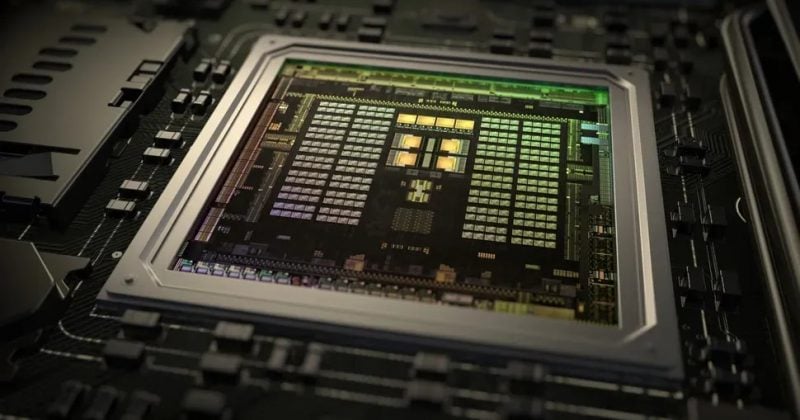
Nvidia, Microsoft, and Arm tease new N1X laptop processors ahead of Computex
The three tech giants are coordinating a 'new era of PC' campaign around Nvidia's first Arm-based laptop chips, with major implications for AI hardware and crypto-adjacent markets.
Share
Add us on Google by Editorial Team May. 29, 2026Nvidia, Microsoft, and Arm have collectively dropped the subtlety and begun openly teasing what appears to be Nvidia’s first consumer Arm-powered laptop processors. All three companies posted “A new era of PC” on X, each including coordinates pointing to Taipei, where Computex 2026 kicks off this weekend.
The coordinated social media campaign, which began on May 29, all but confirms what the tech world has been anticipating for months: Nvidia is about to formally enter the laptop CPU market with its own silicon. Jensen Huang is scheduled to deliver a keynote on June 1 at 11 a.m. Taipei time, and the rumored stars of the show are two new system-on-chips called the N1 and the higher-end N1X.
What we know about the N1 and N1X
The N1X is rumored to pack approximately 20 CPU cores built on Arm architecture, paired with an integrated GPU based on Nvidia’s Blackwell architecture. In English: this is a laptop chip that aims to deliver graphics performance in the neighborhood of what you’d normally need a discrete GPU to achieve, something along the lines of an RTX 5070.
AdvertisementMajor OEMs are already on board. Dell, Lenovo, and ASUS are reportedly preparing devices built around the new chips, with market availability targeted for late 2026. The lineup wasn’t supposed to take this long. Previous timelines had pointed to a 2025 launch, but Nvidia pushed things back to address software and compatibility issues.
The “Windows on Arm” angle is crucial here. Microsoft’s involvement in the teaser campaign signals that Windows is ready, or at least getting ready, to run natively and smoothly on Nvidia’s Arm silicon.
The competitive landscape shifts
Apple cracked the door open with its M-series chips in 2020, proving that Arm-based processors could deliver elite performance in consumer machines. Nvidia is attempting something harder: building Arm chips that run Windows, which means navigating a far more complex software compatibility landscape.
For Arm Holdings, this is potentially transformative. Every chip sold on Arm architecture generates royalty revenue for the company. Adding Nvidia’s laptop ambitions to the existing roster of Arm licensees, which already includes Apple, Qualcomm, and MediaTek, expands the addressable market significantly.
Why crypto investors should pay attention
Projects like Render Network, Akash Network, and other decentralized GPU marketplaces are directly tied to the availability and capability of Nvidia hardware. More powerful, more efficient chips entering the market could eventually expand the supply side of these networks, as users with older discrete GPUs repurpose or resell them.
If Nvidia successfully diversifies from its data center GPU dominance into consumer laptop processors, it becomes a more resilient company overall. Nvidia’s data center GPUs remain the backbone of most AI training infrastructure, and any disruption to Nvidia’s business model would have cascading effects on the AI compute ecosystem that several crypto projects depend on.
Disclosure: This article was edited by Editorial Team. For more information on how we create and review content, see our Editorial Policy.