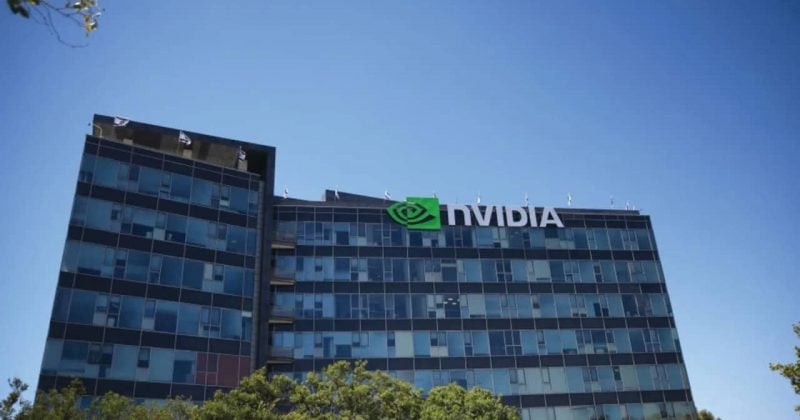
Nvidia and Google seek approval to pay Israeli taxes in dollars as shekel strengthens 20%
The tech giants want to ditch shekel-denominated tax bills after Israel's currency surged against the dollar, and a recent precedent involving the Google-Wiz deal may open the door.
Share
Add us on Google by Editorial Team Jun. 4, 2026Nvidia and Google have formally asked Israel’s Tax Authority to let them settle their tax obligations in US dollars rather than shekels. The reason is straightforward: the shekel has appreciated roughly 20% against the dollar over the past year, and paying taxes in a strengthening local currency is getting expensive fast.
The Israeli shekel now trades at approximately 2.89 per dollar. For companies that earn revenue primarily in dollars but face local expenses, primarily salaries, denominated in shekels, that currency math is brutal.
A $32 billion precedent
This isn’t entirely uncharted territory. In March 2026, Israeli authorities approved dollar-denominated tax payments totaling $32 billion, including approximately $2.5 billion from founders involved in Google’s acquisition of Wiz. That decision was made specifically to avoid potential market disruption, since converting that volume of dollars to shekels could have sent the exchange rate haywire.
AdvertisementNvidia’s most recent tax payment to Israel came in at around $1.287 billion. The companies initiated their request to the Israel Tax Authority around June 2, 2026. Their argument centers on operational stability and certainty, two things that are hard to maintain when the currency your taxes are denominated in keeps climbing against the currency your customers pay you in.
Why the shekel won’t stop climbing
Israel’s tech export sector has been a victim of its own success. Strong demand for Israeli tech talent and products drives capital inflows, which pushes the shekel higher, which then erodes the revenue of those same export-driven companies.
For Nvidia and Google, the calculus is specific. Both companies operate significant R&D and business operations in Israel. Their revenues flow in from global markets denominated overwhelmingly in dollars. But Israeli employee salaries, office costs, and now taxes are all pegged to a shekel that keeps getting more expensive. Nvidia reported a striking revenue increase in Israel from $325 million to approximately $1.47 billion this year, highlighting the necessity of aligning tax obligations with revenue streams in a fluctuating currency environment.
Crypto angle: Israel’s disclosure program falls flat
The Tax Authority launched a crypto voluntary disclosure program in 2025, anticipating collections of 2 to 3 billion shekels. The actual result: approximately 41 million shekels from a limited number of user filings.
The Nvidia and Google dollar-payment request and the crypto disclosure shortfall are two sides of the same coin: the Israeli government is grappling with how to tax globally mobile, digitally native capital in a world where money moves faster than fiscal policy.
What this means for investors
If Israel grants Nvidia and Google the ability to routinely pay taxes in dollars, every multinational with Israeli operations would have a template to follow. For the Israeli government, receiving taxes in dollars instead of shekels means the Tax Authority would need to manage its own currency exposure, or convert those dollars at potentially unfavorable rates. It also raises questions about fiscal sovereignty, as the largest corporate taxpayers paying in a foreign currency effectively outsources part of monetary policy to the Federal Reserve.
The March precedent with the $32 billion in approved dollar payments suggests the political will exists, at least when the sums are large enough to cause market disruption. Whether that logic extends to ongoing, routine tax payments is the open question.
Disclosure: This article was edited by Editorial Team. For more information on how we create and review content, see our Editorial Policy.