Written by Giovanni Pigni,Staff Writer
 Reviewed by Sam Bourgi,Staff Editor
Markets are underpricing risk of longer Middle East war, Arthur Hayes says
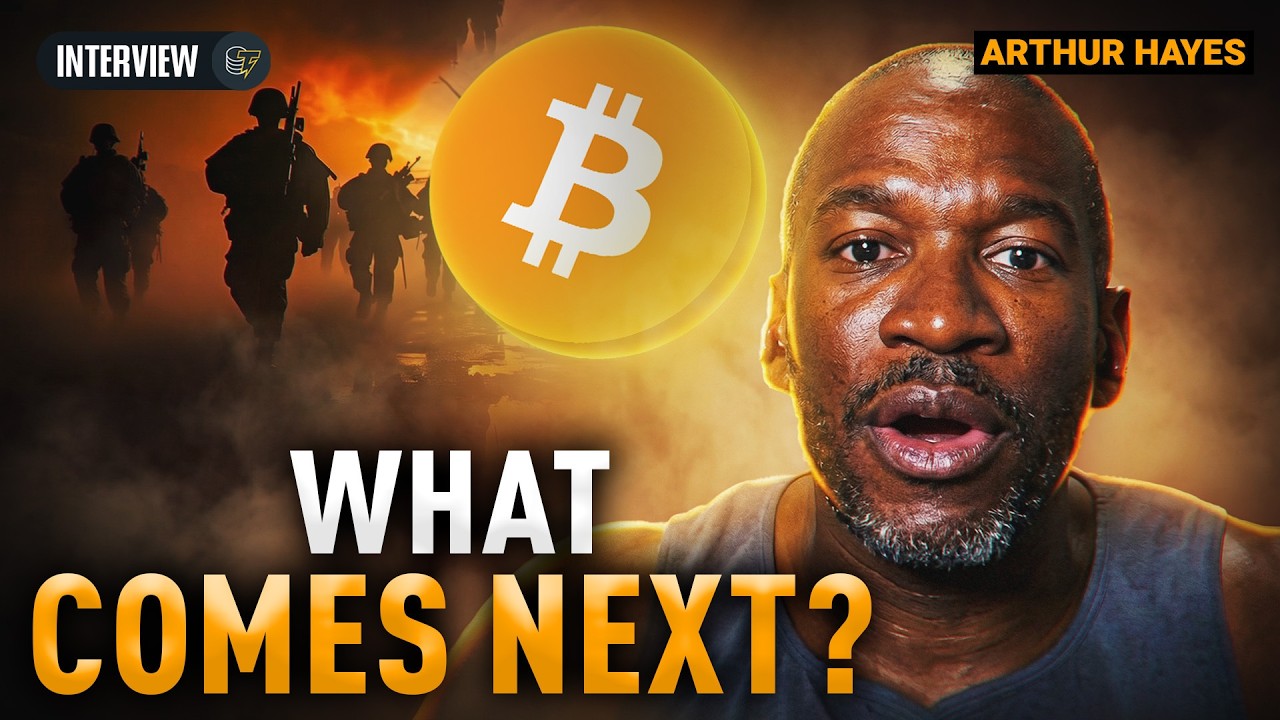
1 hour agoIn a Cointelegraph interview, Arthur Hayes explains why global markets may not be pricing in a longer war in the Middle East, and what that may mean for energy prices, liquidity and Bitcoin.
Cointelegraph YouTube
SubscribeCointelegraph in your social feed
Subscribe on Follow ourAs geopolitical tensions escalate and global markets face a new wave of uncertainty, one asset has been behaving in an unexpected way: Bitcoin.
While the Middle East slides deeper into conflict and energy markets react to potential supply disruptions, the world’s largest cryptocurrency has held up relatively well compared to many traditional assets.
For some observers, that resilience raises an important question: Could Bitcoin be signaling something about the macro environment that markets haven’t fully priced in?
In our latest interview, Arthur Hayes, co-founder of Maelstrom, shares his perspective on the forces shaping the global economy, and why the coming months could prove pivotal for financial markets.
On the geopolitical front, Hayes argues that investors may be underestimating the risks if the current conflict expands or drags on.
“I don't think global markets are fully priced in [on] a longer war between the US and Iran,” he said. If energy flows are disrupted, the ripple effects could spread through the global economy via higher oil prices, inflationary pressure and increased volatility across markets.
At the same time, Hayes says another powerful disruption is unfolding beneath the surface: artificial intelligence.
According to him, AI could rapidly reshape the labor market by replacing a significant share of knowledge workers, from lawyers and bankers to accountants and analysts. If that transition happens quickly, the result could be widespread credit stress as households struggle to service existing debt.
Ultimately, Hayes believes the global financial system tends to respond to crises the same way: with liquidity. “Bitcoin is essentially just a liquidity smoke alarm,” he says.
To hear Hayes break down his macro thesis, watch the full interview on our YouTube channel and don’t forget to subscribe!
This interview has been edited and condensed for clarity.