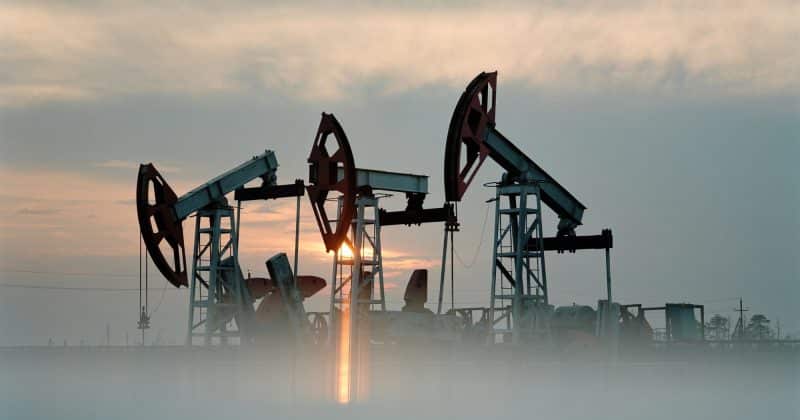
Kazakhstan slashes 2026 oil production forecast to 98 million tons amid pipeline and field disruptions
The Central Asian energy giant revised its target downward from 100.5 million tons as Tengiz field outages and CPC pipeline issues threaten output consistency.
Share
Add us on Google by Editorial Team Jun. 10, 2026Kazakhstan now expects to pump 98 million tons of oil in 2026, a notable cut from the 100.5 million tons it had previously penciled in. The revision, reported by Interfax, reflects a country wrestling with infrastructure headaches at the worst possible time.
The broader forecast range sits at 96 to 98 million tons of oil and gas condensate. That is a meaningful haircut for a nation that serves as Central Asia’s largest crude producer and a key supplier to global energy markets.
What’s behind the downgrade
The Tengiz field has been hit by fires and equipment outages. In a cruel twist, the very same field that helped the country beat expectations last year is now a source of uncertainty heading into 2026.
AdvertisementThen there’s the Caspian Pipeline Consortium, or CPC, which is responsible for transporting a substantial share of Kazakhstan’s crude exports. Attacks on CPC infrastructure have compounded the problem, creating bottlenecks in a system that was already under strain.
2025 was actually a banner year
Kazakhstan’s 2026 forecast looks disappointing largely because 2025 went so well. The country originally targeted 96.2 million tons of production for 2025. It ended up exceeding 99.5 million tons. That overshoot was driven in large part by expansion work at Tengiz, the same field now causing headaches.
Kazakhstan is also navigating its OPEC+ commitments, which add another layer of complexity. The country has periodically exceeded its production quotas, drawing attention from alliance partners who want compliance. A lower production ceiling might actually ease some of that diplomatic friction, though it comes at a cost to revenue.
Why this matters beyond oil
The government has been developing plans for a national crypto reserve, with a target of $500 million to $1 billion. The fund was slated for an early 2026 launch, drawing from seized digital assets and proceeds from state-backed mining operations.
Kazakhstan’s central bank has reportedly been allocating up to $350 million for crypto-related investments. The government’s estimated Bitcoin holdings sit at approximately 3,544 BTC, which would place it among the top ten largest government Bitcoin reserves globally, roughly in eighth position among tracked sovereign holders.
For global oil markets, the reduced Kazakh output could add modest upward pressure to prices, particularly if the Tengiz and CPC disruptions persist through the year.
Disclosure: This article was edited by Editorial Team. For more information on how we create and review content, see our Editorial Policy.