Israel urges US to bomb Iran’s energy infrastructure within 24 hours as crypto markets brace for impact
The escalating Middle East conflict has sent energy prices soaring and, paradoxically, turned Bitcoin into one of the best-performing assets of the crisis.
Share
Add us on Google by Editorial Team May. 9, 2026Israel has urged the United States to bomb Iran’s energy infrastructure within 24 hours, a move designed to break a diplomatic stalemate and ratchet up pressure on Tehran.
Joint strikes by the US and Israel on Iran commenced on February 28, 2026. Israel subsequently claimed on March 10 that it possessed the capability to destroy Iran’s energy infrastructure within a single day. Now it wants Washington to pull the trigger.
Energy prices spike, and so does everything else
The Israel-Iran conflict has already driven energy prices up by 24%.
The Trump administration has asked Israel to hold off on further strikes targeting Iranian oil sites. The reasoning is twofold: limiting civilian casualties and avoiding the kind of global oil price surge that would make the 1973 energy crisis look like a mild inconvenience.
Iran has responded with retaliatory threats targeting both US and Israeli infrastructure.
Bitcoin’s strange war rally
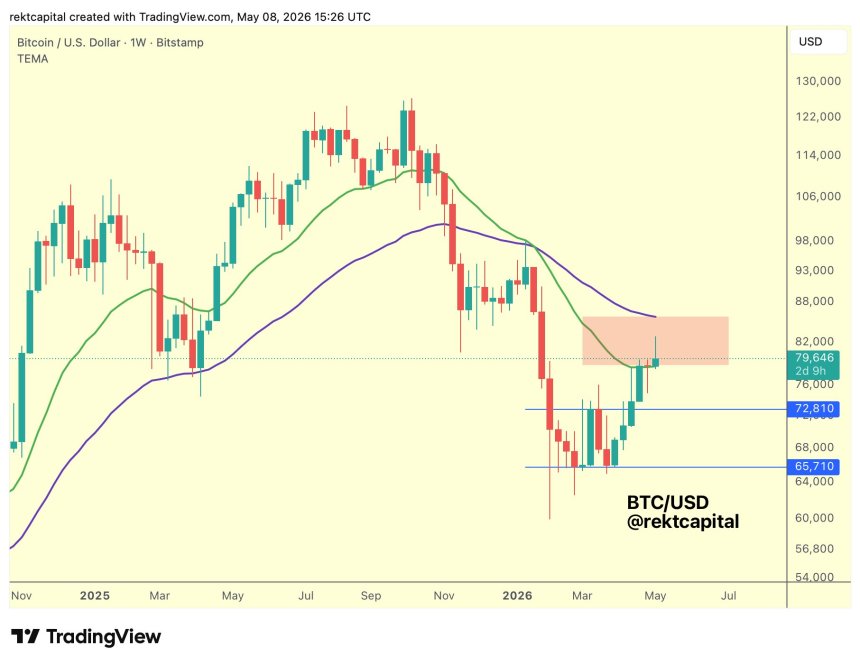
Bitcoin gained 12% during the period of intense military activity in early 2026.
Arthur Hayes, co-founder of BitMEX, noted on April 13, 2026 that a prolonged conflict could actually enhance Bitcoin’s position as a safe haven asset.
Arthur Hayes posited that the ongoing conflict could foster further Bitcoin volatility but also present significant upside, positioning Bitcoin as an attractive alternative amid fears of economic recession.
During the initial round of strikes in late February and early March, some of the most significant price moves in digital assets happened during periods when the New York Stock Exchange and London Stock Exchange were shut.
What this means for investors
Bitcoin’s 12% gain against a backdrop of military strikes and a 24% energy price spike suggests the market is beginning to treat it as a hedge against geopolitical instability rather than a pure speculative vehicle.
For those positioned in energy-sensitive sectors of crypto, like Bitcoin mining operations that rely on cheap electricity, the 24% energy price surge is a direct hit to margins.
Disclosure: This article was edited by Editorial Team. For more information on how we create and review content, see our Editorial Policy.