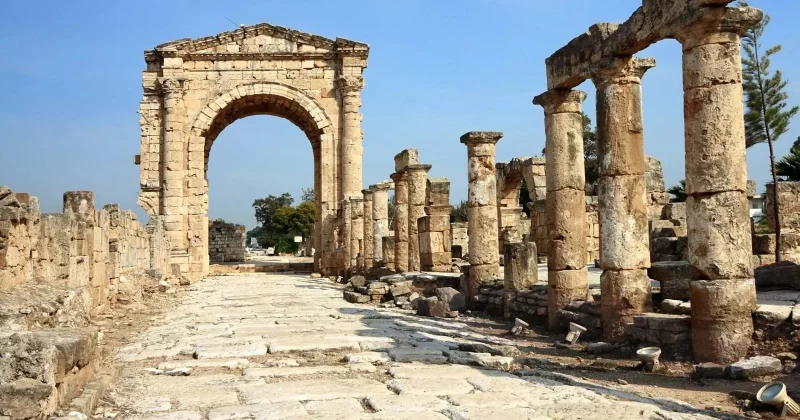
Israel strikes Tyre, Lebanon, killing at least eight after first-ever full evacuation order
The deadly bombing of the historic port city marks a significant escalation in the Israel-Hezbollah conflict, with ripple effects reaching crypto markets as geopolitical risk sentiment intensifies.
Share
Add us on Google by Editorial Team Jun. 9, 2026An Israeli airstrike hit the eastern edge of Tyre, a historic port city in southern Lebanon, on Tuesday, killing at least eight people. The Lebanese health ministry confirmed the death toll, making it one of the deadliest Israeli bombing raids on Tyre since the war between Israel and Hezbollah reignited on March 2.
What makes this strike particularly notable: it followed the first-ever full evacuation order issued for the entire city.
What happened in Tyre
The strike landed on Tyre’s eastern perimeter, according to the Lebanese health ministry and state media. A single bombing run produced the casualties, underscoring the lethality of the operation even by the grim standards of the ongoing conflict.
AdvertisementThe escalation also drew a sharp response from Tehran. Iran warned of “crushing measures” should Israel’s military operations in Lebanon continue.
How Middle East escalations move crypto markets
Bitcoin traded below $80,000 during heightened Lebanon tensions earlier in 2026. When ceasefire agreements were reached in April, it rebounded to approximately $74,650. That sequence—a decline during escalation followed by a bounce on de-escalation—is consistent with how crypto has responded to prior geopolitical events.
The blockchain-Hezbollah connection
Israeli authorities seized $1.7 million in digital assets from wallets linked to Hezbollah and Iranian entities back in 2023. Those transactions reportedly occurred on blockchain networks including Tron, a platform that has drawn scrutiny for its role in facilitating illicit finance.
The seizure highlighted something regulators and intelligence agencies have been tracking for years: non-state armed groups and their affiliates use blockchain infrastructure for financial operations. The pseudonymous nature of crypto transactions offers operational advantages, but blockchain’s transparency also creates vulnerabilities. Once wallets are identified, the transaction history is permanently visible, which is exactly how Israeli authorities were able to trace and freeze those funds.
Following the June 9 strike on Tyre, no new cryptocurrency seizures or token-specific developments linked to the conflict have emerged.
Disclosure: This article was edited by Editorial Team. For more information on how we create and review content, see our Editorial Policy.