Israel halts strikes on Iran at Trump’s request as US seizes $1B in Iranian crypto assets
A fragile ceasefire between Israel and Iran carries direct implications for crypto markets as Washington weaponizes digital asset seizures in its sanctions campaign.
Share
Add us on Google by Editorial Team Jun. 9, 2026Israel paused its military campaign against Iran on June 8 after US President Donald Trump publicly urged both sides to stand down. The temporary halt came amid a rapid escalation that included Hezbollah rocket attacks, Israeli airstrikes on Beirut, and Iranian missiles targeting an Israeli airbase, all within a 48-hour window.
For crypto markets, the geopolitical drama isn’t just background noise. US authorities have seized approximately $1 billion in Iranian crypto assets as part of ongoing sanctions enforcement, a figure that underscores how deeply digital currencies are now embedded in great-power conflict.
What happened and how it escalated
The chain of events started on June 7 when Hezbollah launched a rocket attack on northern Israel. Israel responded with airstrikes on Hezbollah positions in the southern suburbs of Beirut, Lebanon’s capital.
AdvertisementIran then entered the picture directly, firing missiles at an Israeli airbase. That’s three separate military exchanges across three countries in roughly 24 hours.
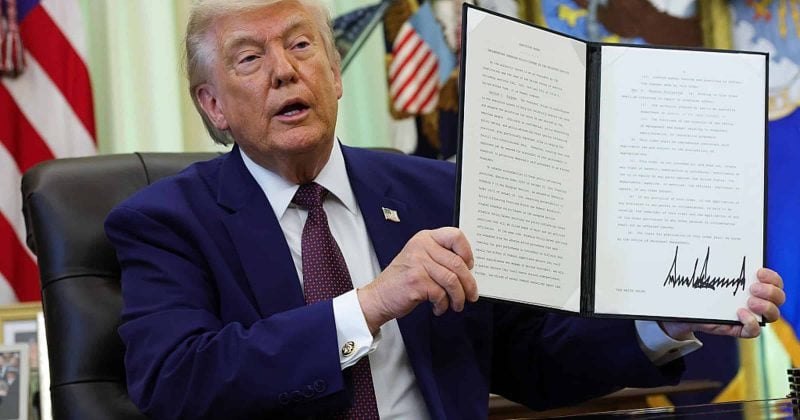
Trump took to social media on June 8, calling on both Israel and Iran to cease hostilities. Israel complied, halting its strikes on Iranian targets. Iran announced a similar pause.
Israel explicitly warned that if Hezbollah continues its attacks, retaliatory strikes on Beirut’s southern suburbs remain on the table.
The crypto angle: $1 billion in seized Iranian digital assets
US authorities have seized approximately $1 billion in Iranian crypto assets through June 2026 as part of their broader sanctions campaign. Iran has long used digital currencies to circumvent traditional financial sanctions, and the US seizure effort targets that workaround directly.
These seizures are happening alongside active military hostilities, not during a quiet diplomatic period.
What this means for investors
If sanctions enforcement against Iranian crypto holdings intensifies, it could tighten liquidity in certain markets while simultaneously boosting demand for established, compliant cryptocurrencies. The competitive landscape between centralized and decentralized exchanges could shift as well, with centralized platforms facing institutional flows seeking safety while decentralized protocols face increased scrutiny over their role in enabling sanctions evasion.
What to watch: whether Trump’s ceasefire request holds beyond the next Hezbollah provocation, whether the $1 billion seizure figure grows in coming weeks, and whether any major crypto exchange faces enforcement action tied to Iranian asset flows.
Disclosure: This article was edited by Editorial Team. For more information on how we create and review content, see our Editorial Policy.