IRGC targets Nevatim and Tel Nof air bases as Bitcoin slides toward $104K
Iran's 'Operation Nasr' missile strikes on Israeli airbases rattle crypto markets just days after US Treasury sanctions hit Iran's largest exchange.
Share
Add us on Google by Editorial Team Jun. 9, 2026Iran’s Revolutionary Guard Corps launched missile strikes against two major Israeli air bases on June 8, sending Bitcoin tumbling toward $104K as investors scrambled to reprice risk across every asset class, digital ones included.
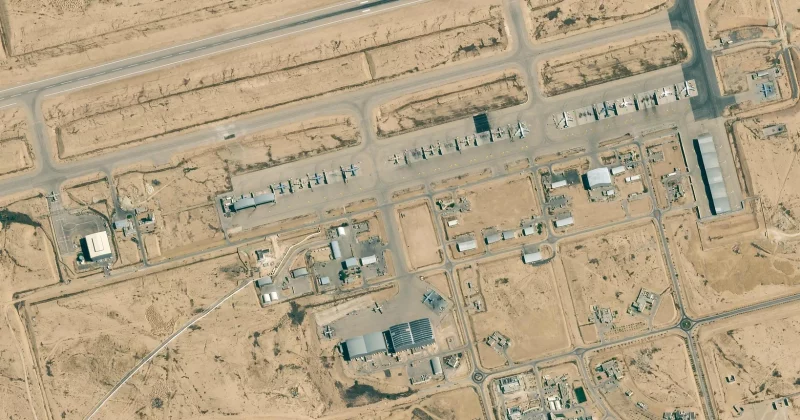
The operation, dubbed “Operation Nasr” by the IRGC, targeted Nevatim and Tel Nof airbases. Iran framed the strikes as direct retaliation for Israeli attacks on Iranian radar installations carried out the same day.
What happened and why crypto cares
Just six days before the strikes, on June 2, the US Treasury announced sanctions against Nobitex, Iran’s largest cryptocurrency exchange. The accusation: facilitating transactions linked to the IRGC and Iran’s central bank, particularly during internet blackouts when traditional financial channels go dark.
AdvertisementBitcoin, which had been trading above $104K, dropped toward that level as the news broke. The Israeli military operations on June 8 also reportedly included targets at Ramat David Airbase. This wasn’t a single retaliatory gesture. It was a multi-front military exchange compressed into hours.
Iran’s crypto ecosystem under pressure
Iran’s crypto ecosystem was valued at over $7.8 billion in 2025, according to prior reporting from Chainalysis. During previous military escalations in 2025 and 2026, Iranian crypto activity has tended to spike. Wallet outflows exceeding $2 million were observed in the hours leading up to past escalations, suggesting that well-connected actors may move assets preemptively when conflict appears imminent.
The Nobitex sanctions represent Washington’s attempt to close that valve. By targeting the country’s dominant exchange, the Treasury is essentially trying to cut off the most accessible on-ramp and off-ramp for Iranian crypto users.
What this means for investors
Bitcoin’s slide toward $104K on the back of the June 8 strikes reinforces something the market keeps learning and then forgetting. In moments of acute geopolitical stress, crypto trades like a risk asset, not a safe haven.
If Iranian users are pushed off centralized exchanges, the resulting migration to decentralized protocols could create unusual on-chain activity patterns. Compliance teams at major exchanges globally will be watching for flows originating from Iranian wallets, and the scrutiny could lead to broader tightening of KYC enforcement across the industry.
If Chainalysis or similar firms report significant spikes in Iranian wallet activity in the coming days, it could signal that the sanctions on Nobitex are either working, pushing users to traceable alternatives, or failing, with activity simply migrating to harder-to-monitor channels.
Disclosure: This article was edited by Editorial Team. For more information on how we create and review content, see our Editorial Policy.