Iran’s IRGC strikes US airbase in retaliation, raising crypto market volatility concerns
The missile attack, described as a 'serious warning,' escalates tensions near the world's most critical oil chokepoint and sends ripples through risk markets.
Share
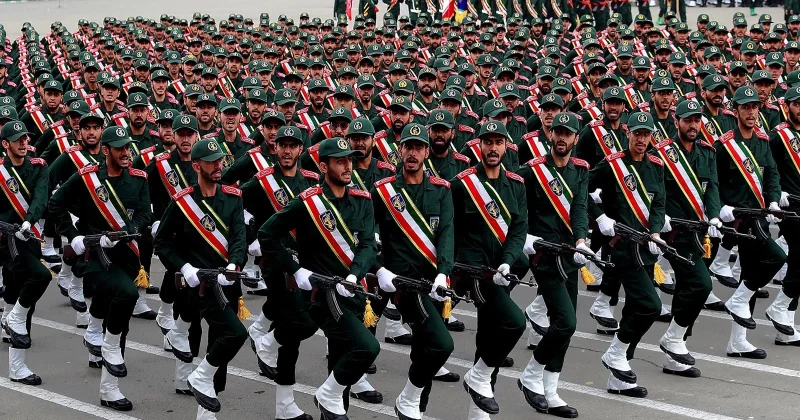
Add us on Google by Editorial Team May. 28, 2026Iran’s Islamic Revolutionary Guard Corps launched a missile strike against a US airbase in the early hours of May 28, claiming it as direct retaliation for American air strikes near the strategic port city of Bandar Abbas. The attack landed at approximately 4:50 a.m. local time, and the IRGC wasted no time framing it as a “serious warning” against further aggression.
What happened and where
The IRGC confirmed responsibility for the strike but did not publicly identify the specific US installation it targeted. Air defense activity detected in Kuwait suggested the base may be located there, though no official confirmation has come from either side on the exact target.
The retaliatory strike came after US forces conducted air strikes near Bandar Abbas earlier that same day. Iranian sources claimed those American strikes resulted in no casualties or damage, a detail that, if accurate, makes the IRGC’s decision to escalate all the more deliberate.
AdvertisementThe incident fits into the broader pattern of what has been called the 2026 Iran war, a series of escalating military exchanges in the region involving US and Israeli actions against Iranian targets.
Why the Strait of Hormuz matters to everyone
Bandar Abbas isn’t just another city on a map. It’s Iran’s most important port and sits directly on the Strait of Hormuz, one of the most consequential chokepoints in global commerce.
Roughly one-fifth of the world’s petroleum passes through this narrow stretch of water. Any sustained disruption, whether from direct military action or simply the threat of it, can send crude oil prices into a spiral.
The IRGC has a long history of asymmetric responses, striking in unexpected ways and places to maximize strategic impact while avoiding full-scale conventional war.
What this means for crypto and risk markets
No specific cryptocurrency was directly linked to the strike or its immediate aftermath. When geopolitical risk spikes, institutional investors typically shift into risk-off mode, selling volatile assets and moving into perceived safe havens like gold, US Treasuries, or cash. Crypto, still treated by most large allocators as a risk-on asset, tends to see selling pressure during these moments.
The energy angle adds another layer of complexity. A sustained rise in crude oil prices driven by Strait of Hormuz disruption fears would push energy costs higher globally, feeding inflation and eroding the purchasing power of fiat currencies.
Disclosure: This article was edited by Editorial Team. For more information on how we create and review content, see our Editorial Policy.