Iran warns northern Israel residents to evacuate as Middle East tensions rattle crypto markets
The latest escalation in the Israel-Iran conflict continues a pattern of evacuation warnings as military tactics, with ripple effects reaching decentralized trading platforms.
Share
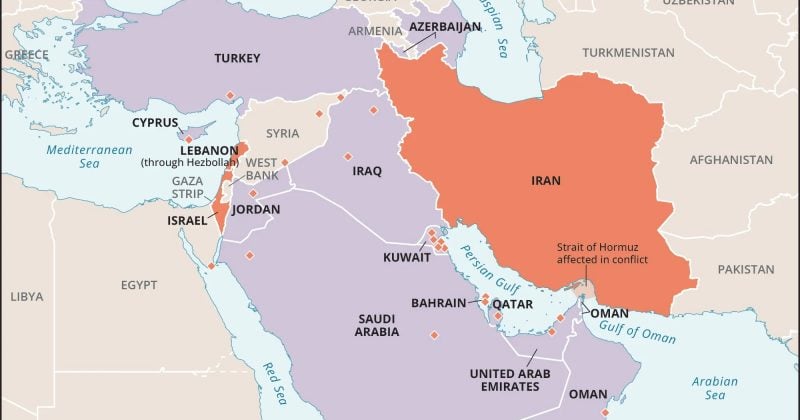
Add us on Google by Editorial Team Jun. 1, 2026Iran has issued a warning to residents and military settlements in northern Israel, telling them to leave to avoid harm. The announcement marks another chapter in the escalating cycle of evacuation threats between Iran, Hezbollah, and Israel, a cycle that has been intensifying since mid-2025 and is now reverberating through global financial markets, including crypto.
A pattern of escalating warnings
Hezbollah warned residents in Israeli settlements within roughly 5 km of the Lebanon border on March 7, 2026. Then again on May 16, 2026. Both times, the group cited Israeli military actions in Lebanon as justification.
AdvertisementIn June 2025, the IRGC called for immediate evacuations in Tel Aviv and the Bnei Brak area. That move was explicitly framed as a countermeasure to Israeli evacuation orders targeting Tehran. The IDF issued evacuation orders affecting approximately 330,000 people in central and northern Tehran districts on June 16, 2025. The orders targeted areas the IDF identified as having military and media relevance.
Cross-border confrontations have intensified throughout 2026, with ongoing strikes involving Hezbollah, Iran, and Israel creating a volatile security environment across the entire region.
How geopolitical conflict drives crypto activity
Trading activity on decentralized platforms has surged during periods when traditional markets are closed, driven specifically by volatility tied to military engagements in the region. Bitcoin price fluctuations have shown a correlation with these geopolitical events, with traders reacting to breaking news in real time across a 24/7 market.
What this means for investors
Decentralized trading platforms gain traction precisely because they offer real-time engagement with volatile assets when traditional markets are closed. Markets driven by fear and breaking news are prone to whipsaws, and liquidity on decentralized platforms still isn’t deep enough to prevent outsized moves during crisis moments.
What’s particularly worth monitoring is whether decentralized platform volumes continue to spike during traditional market closures coinciding with military events.
Disclosure: This article was edited by Editorial Team. For more information on how we create and review content, see our Editorial Policy.