Bitcoin Magazine
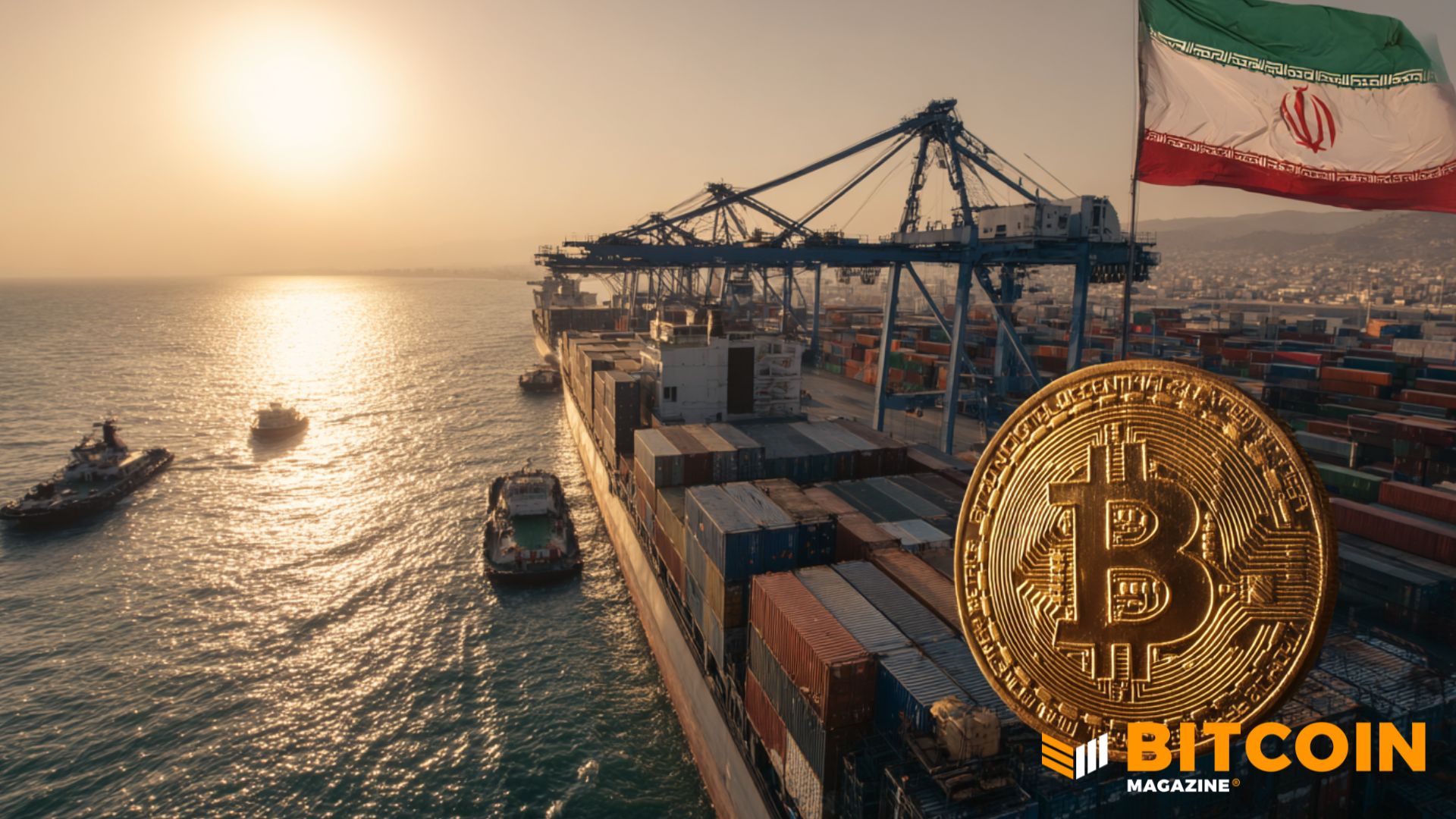
Iran to Accept Bitcoin for Strait of Hormuz Transit as Ceasefire Takes Hold
Iran plans to require shipping companies to pay transit tolls in Bitcoin for vessels passing through the Strait of Hormuz, according to a Financial Times report. This links bitcoin to one of the world’s most critical energy corridors and current events.
The policy would apply to oil tankers seeking passage during a two-week ceasefire between Iran and the United States, announced after a shift in posture from Donald Trump. The arrangement aims to reopen a route that handles a large share of global oil flows while allowing Tehran to maintain control over access.
According to statements attributed to Iranian officials, shipping firms would receive a payment request prior to transit. Once approved, vessels would be given a short window to complete the transaction in bitcoin. The structure reflects an attempt to bypass traditional financial rails that remain constrained by sanctions, while preserving a mechanism for enforcement over passage.
The move places bitcoin at the center of a geopolitical flashpoint. Iran has faced restrictions on dollar-based settlement systems for years, limiting its ability to collect fees or process payments tied to maritime trade. By shifting to bitcoin, authorities seek a channel that operates outside conventional banking networks and offers resistance to seizure.
BREAKING:
— Bitcoin Magazine (@BitcoinMagazine) April 8, 2026Iran is accepting bitcoin for transit toll payments — Financial Times pic.twitter.com/zhgbqI3wVu
Bitcoin, Iran, and the Strait of Hormuz
Shipping companies face a different calculation. Compliance may secure safe passage through a narrow waterway that links the Persian Gulf to global markets, but it introduces exposure to digital asset volatility, operational risk, and legal uncertainty tied to sanctions regimes.
Markets have begun to react. Bitcoin rose above $72,500 following the ceasefire announcement, reversing earlier weakness tied to fears of escalation. Currently bitcoin is trading near $73,000. The price move reflects a shift in risk sentiment as traders reassess the likelihood of supply disruptions and broader conflict.
The proposed toll system underscores how digital assets can intersect with state policy under pressure. For Iran, bitcoin offers a tool to collect revenue and assert control without reliance on intermediaries. For global shipping, it signals a potential change in how access to key infrastructure could be priced and enforced.
The ceasefire remains limited in scope and duration. Any breakdown in negotiations could halt transit or alter the payment framework, leaving companies exposed to sudden shifts in policy. For now, the introduction of bitcoin as a toll mechanism marks a test case for cryptocurrency use in sovereign-controlled trade routes, with implications that extend beyond the region.
Editorial Disclaimer: We leverage AI as part of our editorial workflow, including to support research, image generation, and quality assurance processes. All content is directed, reviewed, and approved by our editorial team, who are accountable for accuracy and integrity. AI-generated images use only tools trained on properly license material. In Bitcoin, as in media: Don’t trust. Verify.
This post Iran to Accept Bitcoin for Strait of Hormuz Transit as Ceasefire Takes Hold first appeared on Bitcoin Magazine and is written by Micah Zimmerman.