Iran launches missiles at Israeli territory as IDF warns of ‘new rules’ being imposed
The first direct Iranian attack since April's ceasefire sent Bitcoin tumbling over 2% as investors scrambled for safety.
Share
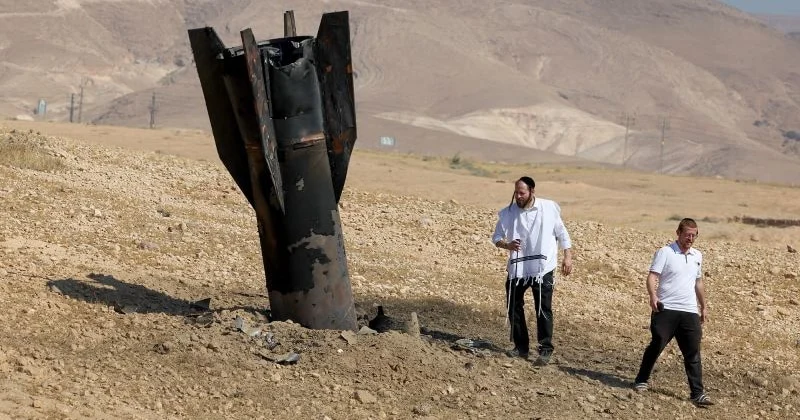
Add us on Google by Editorial Team Jun. 8, 2026Iranian missiles targeted Israeli territory on June 8, marking the first direct bombardment from Iranian soil since a ceasefire was brokered on April 8. The Israeli military confirmed multiple salvos were detected heading toward northern and central Israel, and IDF spokesperson Effie Defrin framed the strikes as Iran’s attempt to reshape the region’s security landscape.
Bitcoin dropped more than 2% during the escalation period, reflecting the kind of risk-off panic that has become a familiar pattern whenever Tehran and Jerusalem exchange fire.
What happened and why it matters
Pakistan brokered a ceasefire between Iran and Israel on April 8, and for roughly two months, the situation appeared to be holding. That illusion ended when Iranian missiles began targeting sites across northern and central Israel.
AdvertisementIsrael responded with airstrikes against Iranian military installations and petrochemical facilities.
The crypto market fallout
Bitcoin’s 2% decline was driven by pure geopolitical contagion rather than on-chain dynamics, protocol failures, or regulatory announcements. Investors rotated into perceived safe havens like US Treasuries and gold, while crypto and other risk-on assets took the hit.
Iran’s crypto connections add another layer of risk
Nobitex, Iran’s largest crypto exchange, has faced scrutiny for processing significant trading volumes connected to Iran’s Central Bank and the Islamic Revolutionary Guard Corps for the purpose of evading international sanctions.
Nobitex suffered a hack in 2025 that resulted in approximately $90 million in losses. The platform’s ties to sanctioned entities make it a recurring target for US enforcement actions.
The US Treasury has been active on this front throughout 2026, freezing hundreds of millions of dollars in digital assets linked to Iranian entities.
Disclosure: This article was edited by Editorial Team. For more information on how we create and review content, see our Editorial Policy.