Iran implements tiered system for vessel passage through Strait of Hormuz, accepts Bitcoin for fees
The new regime prioritizes Russian and Chinese ships while charging non-allied vessels up to $2 million per transit, with some payments flowing through crypto to dodge sanctions.
Share
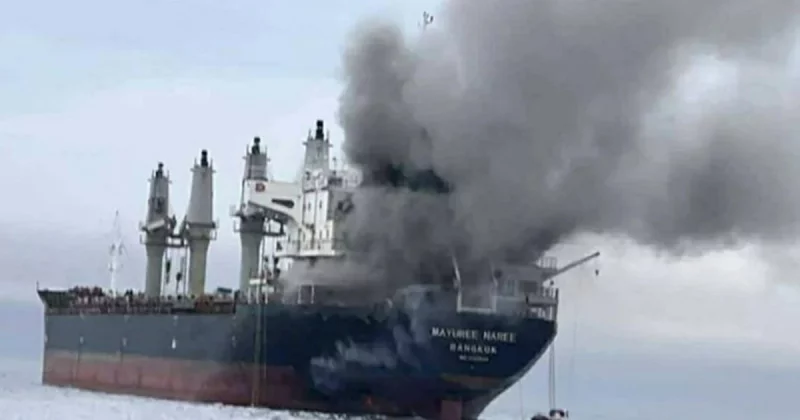
Add us on Google by Editorial Team May. 23, 2026Iran has effectively turned the Strait of Hormuz into a toll road. A new multi-tiered transit system, managed by the freshly established Persian Gulf Strait Authority and enforced by the Islamic Revolutionary Guard Corps (IRGC), now governs passage through one of the most consequential shipping lanes on Earth. Roughly 20% of the world’s oil supply flows through these waters. The system prioritizes vessels linked to Russia and China, gives secondary preference to ships tied to India and Pakistan, and subjects everyone else to stringent vetting, escorted convoys, and fees that can reach as high as $2 million per vessel.
How the new regime works
Ships seeking passage must now obtain permits from the Persian Gulf Strait Authority, submit detailed documentation, and receive clearance before entering designated transit corridors under IRGC escort.
AdvertisementAs of May 20, 2026, only 26 vessels were authorized to transit in a single 24-hour period. Fees are tiered based on affiliation. Non-allied ships face charges ranging from $150,000 to $2 million, with new toll proposals reportedly set at $1 per barrel of cargo. Some of those payments are being made in yuan, Bitcoin, and other digital assets.
The sanctions angle and crypto payments
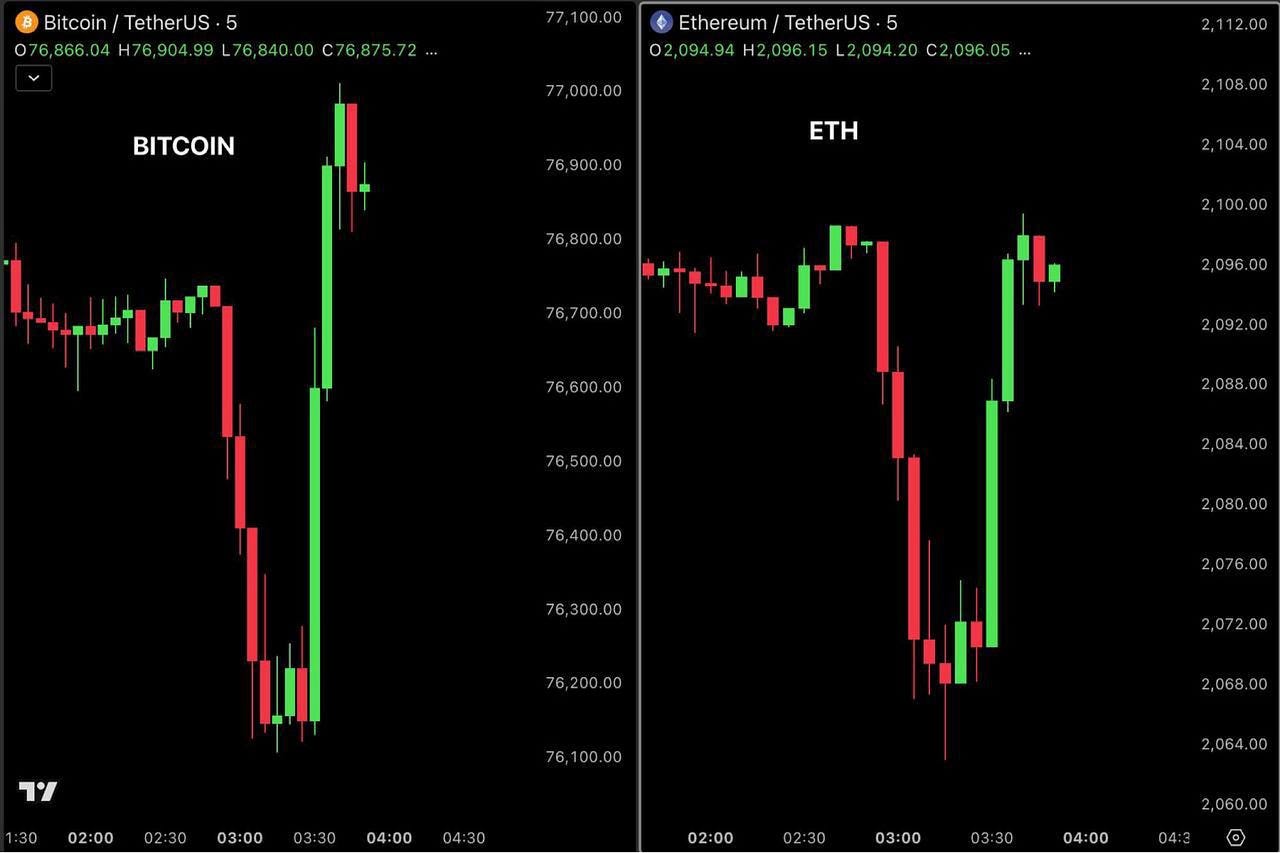
The US Treasury’s Office of Foreign Assets Control (OFAC) issued warnings in May 2026 specifically addressing the risks of making any payments to Iran in digital currencies. Reports indicate that Bitcoin and Ethereum are both being used for shipping-related payments, including insurance premiums.
Why this happened now
The Persian Gulf Strait Authority was established after March 2026 as Tehran moved to consolidate control over the strait following escalating US and Israeli military actions against Iran in early 2026.
What this means for investors
For crypto markets, OFAC’s May 2026 warnings create compliance risk for exchanges and potentially increased scrutiny of large, opaque transactions on major blockchains. Watch for OFAC designations targeting specific wallet addresses tied to Hormuz transit payments, as those would be the clearest signal that Washington is moving from warnings to action.
Disclosure: This article was edited by Editorial Team. For more information on how we create and review content, see our Editorial Policy.