Iran fires warning missiles and drones at US warships in Gulf of Oman, rattling energy and crypto markets
Tehran claims it launched Qadir cruise missiles and Shahid Dana drones at two US Navy destroyers, while CENTCOM denies any attack took place.
Share
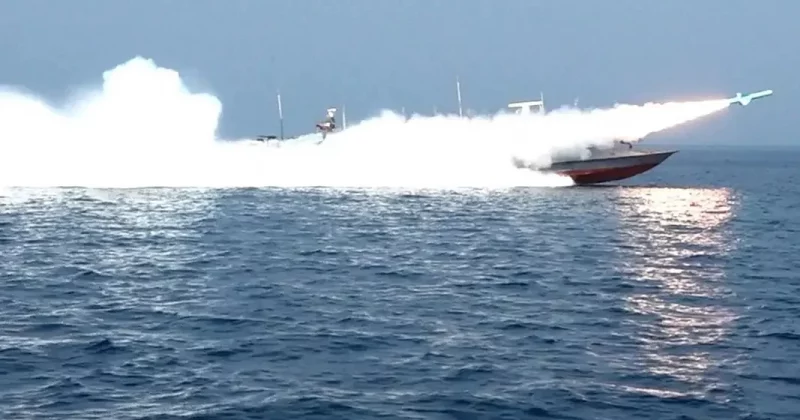
Add us on Google by Editorial Team Jun. 7, 2026Iran’s navy says it fired warning missiles and attack drones at two US Navy destroyers in the Gulf of Oman on June 5, 2026. The Pentagon says it didn’t happen. Somewhere between those two versions of reality, global markets are trying to figure out how scared they should be.
Tehran claims it launched Qadir cruise missiles and Shahid Dana attack drones targeting the USS Truxtun (DDG-103) and USS Mason (DDG-87), framing the action as a direct response to what it calls US naval harassment, including blockades and the seizure of oil tankers. US Central Command responded swiftly, stating that no attack on US forces occurred and that operations in the region were proceeding normally.
Two very different stories from the Gulf of Oman
Iran’s version of events positions the missile and drone launches as defensive. Tehran has alleged that the US has been intercepting sanctioned vessels and conducting what amounts to a naval blockade. The warning shots, in Iran’s telling, were meant to signal that its military would not tolerate continued interference with its maritime activity.
AdvertisementCENTCOM’s denial was notably flat. No dramatic counter-narrative, no escalatory language. Just a straightforward assertion that US forces were not attacked and that normal operations continued.
This incident sits within a broader pattern of escalation that has been building since February 2026. The so-called Strait of Hormuz crisis has featured a steady drumbeat of maritime disruptions, tanker intercepts, and military buildups on both sides.
Why crypto traders should care about missiles in the Gulf
The Strait of Hormuz is one of those geographic chokepoints that punches far above its weight. Roughly a fifth of the world’s oil supply passes through it on any given day. When military tensions escalate in that corridor, oil prices tend to spike, and when oil prices spike, everything downstream gets messy.
Historically, geopolitical flare-ups in energy-critical regions trigger risk-off sentiment, where investors rotate out of risk assets and into perceived safe havens. Crypto, for all its maturation over the past decade, still sits firmly in the speculative bucket for most institutional allocators.
There’s also a more direct transmission mechanism for crypto. Mining operations, particularly Bitcoin mining, are energy-intensive by design. When energy costs rise sharply, the economics of proof-of-work mining deteriorate. That can affect hashrate, miner profitability, and eventually selling pressure as miners liquidate holdings to cover higher operating costs.
The bigger picture for investors
The February-to-June trajectory of the Strait of Hormuz crisis suggests this is not a one-off event. The pattern of escalation, involving tanker seizures, naval posturing, and now disputed missile launches, points to a sustained period of instability in one of global trade’s most critical corridors.
What traders should watch in the coming days is oil futures pricing and the VIX. If crude prices push significantly higher on supply disruption fears, expect correlated selling pressure across risk assets, including major cryptocurrencies.
Disclosure: This article was edited by Editorial Team. For more information on how we create and review content, see our Editorial Policy.