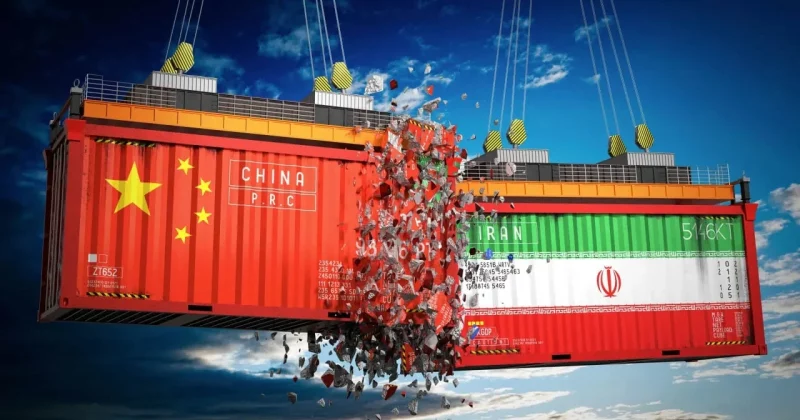
Iran considers transferring 60% enriched uranium to China amid US negotiations
The potential uranium deal adds another layer of geopolitical uncertainty that crypto markets are watching closely.
Share
Add us on Google by Editorial Team May. 26, 2026Iran is weighing a plan to ship its stockpile of roughly 408.6 kg of 60% enriched uranium to China, a move that could reshape the trajectory of nuclear negotiations with the US and send ripples through global risk markets, including crypto.
Beijing has reportedly signaled openness to receiving the material, though the specifics of custody, dilution, and international safeguards remain unclear. The proposal comes as US-Iran talks have centered on what to do with uranium that, if enriched further to 90%, could be used to produce multiple nuclear weapons.
What’s actually on the table
The US position is straightforward: Iran’s 60% enriched uranium needs to either leave the country or be irreversibly diluted.
AdvertisementIran’s Supreme Leader has reportedly issued directives prohibiting the uranium from being exported, which creates a rather obvious tension with any plan to fly it to Beijing.
China’s role here is worth parsing carefully. Taking custody of another nation’s enriched uranium is not a casual favor. China is Iran’s largest crude oil buyer and has been proposed in past discussions as a neutral third party for the potential storage or reprocessing of the enriched uranium.
The broader geopolitical chess match
This uranium discussion doesn’t exist in isolation. Both Israeli and US military interventions in early 2026 targeted Iranian facilities in response to accelerated enrichment activities. With the uranium stockpile reportedly obscured under debris or stored at complex sites like Isfahan, verification remains a significant hurdle.
The current negotiations build on the framework established by the Joint Comprehensive Plan of Action (JCPOA) in 2015, which limited Iran’s uranium enrichment to 3.67%. The agreement unraveled following the US withdrawal in 2018, leading Iran to increase enrichment levels to the current 60%.
For Iran, transferring the material to China rather than destroying or diluting it domestically preserves a degree of optionality. Whether the US would accept an arrangement where the material isn’t irreversibly neutralized but merely relocated is far from certain.
Oil markets are the most direct transmission mechanism between these negotiations and broader financial conditions. Any sanctions relief that emerges from a successful deal would increase Iranian oil supply, putting downward pressure on crude prices.
Disclosure: This article was edited by Editorial Team. For more information on how we create and review content, see our Editorial Policy.