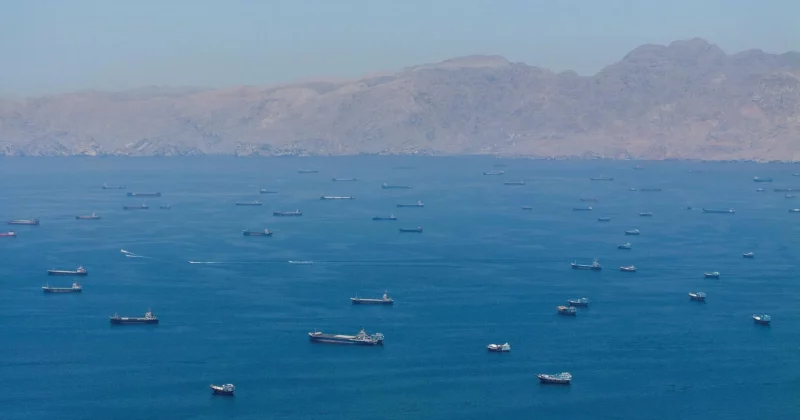
Iran claims draft deal with US to reopen Hormuz shipping and end naval blockade
The White House calls the reported memorandum a 'complete fabrication,' but Iran's crypto-powered workaround for strait commerce is already live.
Share
Add us on Google by Editorial Team May. 27, 2026Iranian state television reported on May 27 that it had obtained a draft memorandum of understanding with the United States that would reopen the Strait of Hormuz to commercial shipping within 30 days and end the American naval blockade. The White House wasted no time responding, calling the claim a “complete fabrication.”
Roughly 20-25% of global oil trade flows through the Strait of Hormuz, making any disruption there significant for global energy markets.
What Iran says happened, and what Washington says didn’t
According to the Iranian broadcast, the draft MOU would restore commercial shipping through the strait to pre-war levels within one month. In exchange, the US would lift its naval blockade and withdraw military forces from the area.
The US naval blockade of Iran began on April 13, 2026, following failed diplomatic talks in Islamabad.
AdvertisementThe White House’s flat denial is notable for its tone. Calling something a “complete fabrication” leaves zero room for diplomatic ambiguity. There’s no “we’re in ongoing discussions” or “we don’t comment on leaked documents.” It’s a full rejection.
Iran’s crypto workaround for Hormuz commerce
Starting in April 2026, Tehran began exploring cryptocurrency-based tolls for vessels transiting the strait. The reported fee structure runs approximately $1 per barrel of cargo, or up to $2 million per vessel.
The more ambitious piece is a bitcoin-settled maritime insurance platform called “Hormuz Safe,” which surfaced in reports during mid-May 2026. The platform is designed to offer insurance coverage for vessels navigating the contested waterway, with potential revenue estimates around $10 billion.
Traditional maritime insurers have been repricing risk in the region since the blockade began, creating exactly the kind of market gap that an alternative platform could exploit.
Why this matters for crypto markets
If Iran’s crypto toll system and the Hormuz Safe insurance platform gain traction, they represent one of the largest real-world use cases for Bitcoin and stablecoins in international trade. This is physical cargo, oil tankers, and sovereign-level commerce being settled on blockchain rails.
A $10 billion revenue opportunity for a bitcoin-settled insurance platform would represent meaningful transactional demand for BTC — functional demand from entities needing Bitcoin to conduct actual business, as distinct from speculative buying or ETF inflows.
On the risk side, this is a sanctioned nation building financial infrastructure specifically to circumvent Western restrictions. The US Treasury and OFAC have historically taken a dim view of such arrangements. Any entities, including exchanges, that facilitate transactions connected to Iranian crypto tolls or insurance platforms could face secondary sanctions.
Disclosure: This article was edited by Editorial Team. For more information on how we create and review content, see our Editorial Policy.