Iran accuses US of missile strike killing civilians in Lamerd as crypto markets whipsaw
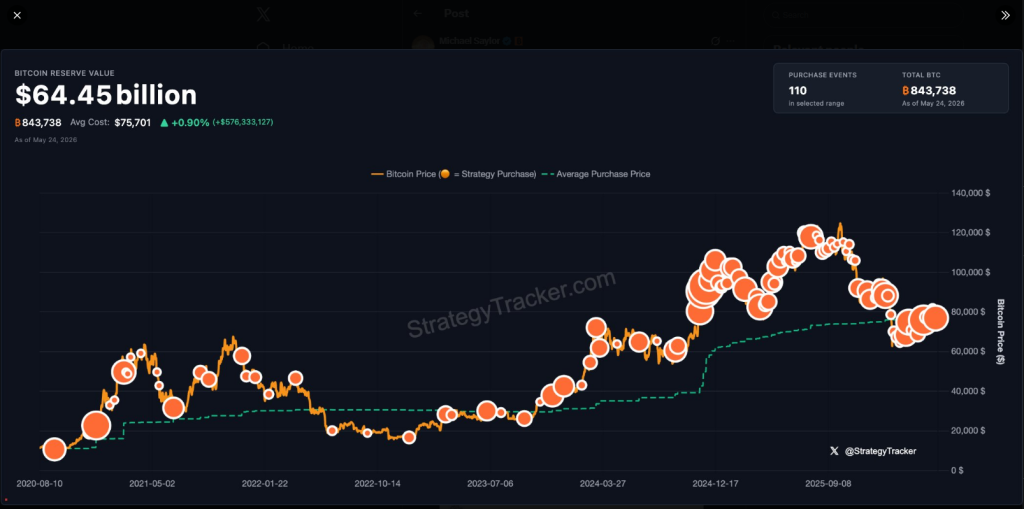
Bitcoin shed $128 billion in market cap before rebounding past $72K as the opening salvo of the US-Israel-Iran conflict sent shockwaves through digital asset markets.
Share
Add us on Google by Editorial Team May. 25, 2026A missile strike on a sports hall and residential area in Lamerd, Fars province, killed at least 21 people on February 28, including four children and members of a women’s volleyball team. Around 100 more were injured. Iran’s Foreign Ministry spokesperson Esmaeil Baghaei called it a “despicable war crime” and accused the United States of carrying out the attack jointly with Israel.
Within hours, Bitcoin’s price cratered to roughly $63,000, erasing more than $128 billion from its total market capitalization. Then, as ceasefire reports began circulating, the price snapped back above $72,000.
What happened in Lamerd
Baghaei disclosed the strike in a post on X, citing a briefing from a local member of parliament. The target was a sports facility in the southern Iranian city, situated in Fars province. The attack coincided with the opening day of what has escalated into the 2026 US-Israel-Iran conflict.
AdvertisementIran claims the munition used was a US Precision Strike Missile, or PrSM, a next-generation weapon designed to replace the aging ATACMS system. Iran’s Foreign Ministry framed the Lamerd attack as part of a broader pattern, asserting that over 600 educational sites across the country had been targeted.
US Central Command pushed back hard. CENTCOM denied involvement entirely and suggested the missile’s characteristics were consistent with an Iranian Hoveyzeh cruise missile, effectively arguing that Iran hit its own people. Independent weapons analysts and several major media investigations, however, linked the munition’s profile to the American PrSM.
A separate strike on a school in Minab occurred around the same time, compounding the civilian toll and intensifying international condemnation.
Sanctions, frozen wallets, and the Iran crypto nexus
In the wake of the conflict’s escalation, US authorities froze $344 million in cryptocurrency wallet assets linked to Iran’s Central Bank. That enforcement action pulled back the curtain on something regulators have long warned about: Iran’s use of crypto infrastructure to circumvent international sanctions.
Iran has been under some form of US financial sanctions for decades. Traditional banking channels were largely severed years ago. Crypto, particularly stablecoins like Tether that move freely across borders without touching correspondent banking networks, became an obvious workaround. The $344 million freeze suggests the scale of that workaround was significant.
Disclosure: This article was edited by Editorial Team. For more information on how we create and review content, see our Editorial Policy.