If You Understand These 5 DePIN & AI Terms, You’re Ahead of 99% of People
 Web3 writer3 min read·Just now
--
Master the core ideas behind the decentralized future without the technical headache.
Let’s be honest.
Most people who talk about Web3 or AI sound like they’re reading from a textbook. They throw around terms like “distributed systems” or “neural scaling,” but they couldn’t explain how it actually works to their grandma.
You don’t need to be a developer to win in 2026. In my view, there are 5 concepts that bridge the gap between AI and the real world (DePIN). If you actually get them, you’ll see the “big picture” while everyone else is just chasing hype.
1. Compute on Demand
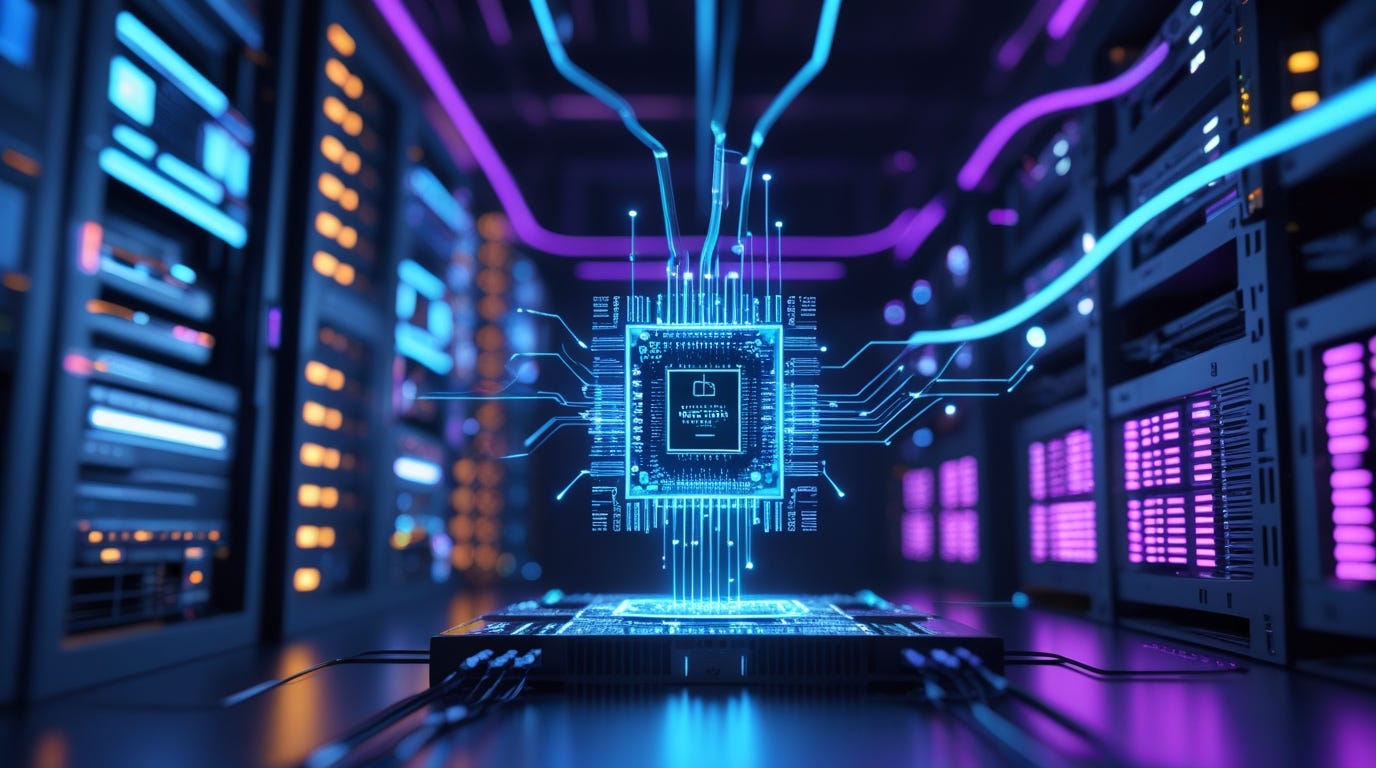
Think of AI models like ChatGPT as “power-hungry beasts.” They need massive computing power to think. Usually, they get this from giant, expensive data centers owned by Google or Amazon.
DePIN changes the game. It’s like Airbnb for your computer’s brain. If you have a powerful GPU and you aren’t using it, an AI model can “rent” a piece of it.
Fact check: By 2026, the demand for AI compute has grown by 500%. While traditional cloud providers have waitlists, DePIN protocols like Akash or Render provide instant access to thousands of GPUs globally.
2. Token Incentives (The “Why”)
Why would someone keep their hardware running 24/7 for a stranger? Simple: Greed — but the good kind.
In DePIN, tokens are the fuel. You provide a service (like internet bandwidth or storage), and the network rewards you with tokens.
Reality check: The total market cap of DePIN projects has crossed $50 Billion this year. Top contributors in networks like Helium are earning meaningful rewards just by keeping their devices active.
3. Latency (The Speed Trap)
In AI, speed is everything. If the “brain” of the AI is in California and you are in Kyiv, there’s a delay. That’s latency.
DePIN fixes this by spreading “nodes” (mini-servers) everywhere. It’s the difference between ordering pizza from another city or having a pizzeria on your ground floor.
4. Proof of Physical Work (PoPW)
In the digital world, it’s easy to fake things. How does a network know your hardware is actually working?
That’s PoPW. It’s a digital handshake that proves your machine did the heavy lifting. No work, no pay. It’s the “truth layer” that makes decentralized networks possible.
5. RWA (Real World Assets)
This is the bridge. DePIN is how we turn physical things — routers, cameras, hard drives — into assets on the blockchain.
Market data: Experts predict that 10% of global GDP will be tokenized by 2030. DePIN is the leading edge of this trend, turning “dumb” hardware into smart, income-generating assets.
Bottom line:
The world is moving away from giant corporate clouds toward networks owned by us. AI is the engine, and DePIN is the road.
Understand this, and you’re already ahead of the curve.
If you found this helpful, let’s connect. What’s the most confusing term you’ve met in Web3? Let’s discuss below!