If You Can’t Explain Yield,You Are the Yield
--
DeFi didn’t just unlock yield — it put it on display.
With a few clicks, anyone can open a dashboard and see double-digit APYs, real-time returns, and simple “deposit → earn” flows. It feels intuitive. Efficient. Almost too easy.
And that’s exactly the problem.
Because while DeFi made yield visible, it also made it dangerously easy to misunderstand.
The Illusion of Simplicity
At first glance, yield in DeFi looks straightforward.
You deposit assets. The protocol does the work. Your balance grows.
But this clean user experience hides a messy backend.
The number you see — the APY — is not a guarantee. It’s a projection, often based on ideal conditions. It assumes stable markets, efficient execution, and no unexpected costs.
In reality, none of those assumptions consistently hold.
Yield isn’t simple. It’s just been simplified for display.
The Hidden Gap Between APY and Reality
Most users anchor on the headline number.
But actual returns depend on what happens after you deposit.
Several forces quietly reshape your outcome:
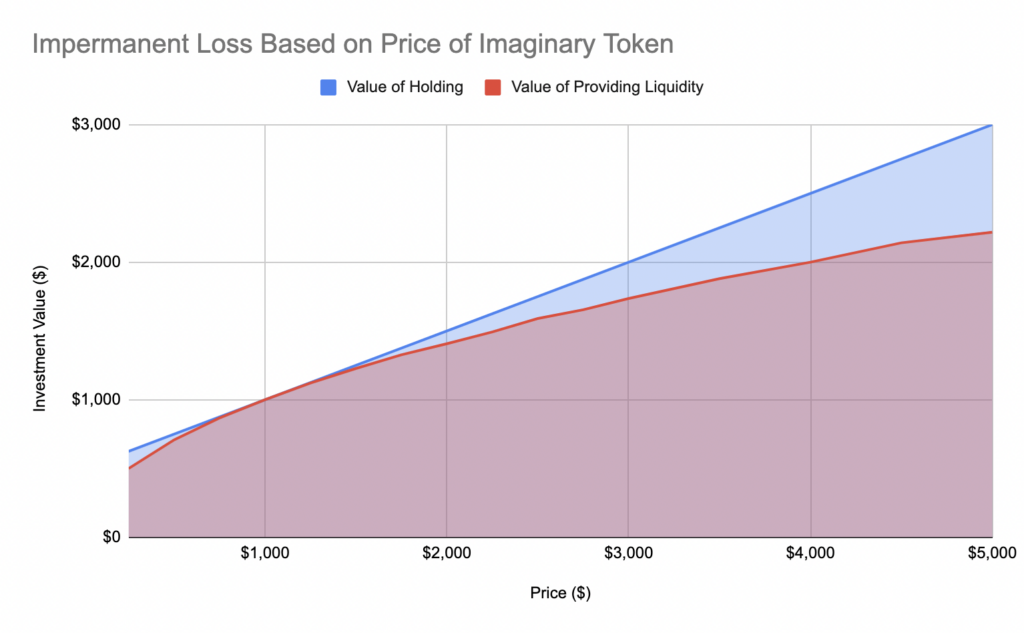
- Impermanent loss can offset gains in liquidity pools
- Rebalancing introduces trading costs over time
- Gas fees and slippage eat into profits
- Volatility disrupts compounding assumptions
This creates a gap between displayed yield and real yield.
And that gap is where most misunderstandings — and losses — occur.
Yield Always Has a Source
One of the most important truths in DeFi is this:
Yield must come from somewhere.
Common sources include:
- Trading fees generated by user activity
- Interest paid by borrowers
- Arbitrage opportunities across markets
- Liquidations in leveraged positions
- Token emissions designed to attract liquidity
But these sources don’t carry equal weight.
- Organic yield (fees, borrowing demand) tends to be more stable
- Incentivized yield (token rewards) is often temporary and reflexive
If a protocol is offering unusually high returns, the right question isn’t “how do I join?” — it’s “who is paying for this?”
The Invisible Transfer of Value
Here’s where things become more subtle — and more important.
In many DeFi systems, value is constantly being redistributed between participants.
If you don’t understand the mechanics, you may unknowingly sit on the wrong side of that transfer.
For example:
- Liquidity providers may earn fees but lose on price divergence
- Reward farmers may collect tokens that rapidly depreciate
- Passive users may absorb risks that active traders hedge away
In these cases, your yield is not free income.
It’s compensation for risk — or worse, a transfer to more informed actors.
That’s the core idea:
If you can’t explain the yield, you are the yield.
Why Some Win While Others Don’t
DeFi is permissionless. Everyone has access to the same protocols.
Yet outcomes vary widely.
Why?
Because users operate at different levels of understanding.
- Some chase the highest visible APY
- Others evaluate underlying mechanics and risks
- Advanced participants model scenarios, optimize entries, and manage exposure dynamically
Same system. Different strategies. Different results.
The edge doesn’t come from access.
It comes from clarity.
The Shift to Yield Engineering
As the space matures, a shift is underway.
From:
“Where is the highest yield?”
To:
“How do I construct the best yield?”
This is the rise of yield engineering.
It involves:
- Modeling expected returns under different conditions
- Accounting for all costs — not just visible ones
- Actively managing and rebalancing positions
- Prioritizing consistency over short-term spikes
It’s a move from passive participation to intentional design.
From Guesswork to Structure
Relying on intuition or hype is no longer enough.
Modern DeFi participants increasingly use structured systems — like vault strategies — to manage complexity.
These systems can:
- Automate allocation across opportunities
- Execute strategies with precision
- Rebalance positions as markets change
- Reduce emotional and manual errors
Instead of constantly reacting, users gain structured exposure to well-defined strategies.
This doesn’t eliminate risk.
But it makes it measurable — and manageable.
The Real Definition of Yield
At its core, yield is not the number you see on a screen.
It’s a function:
- Revenue generated
- Minus all associated costs
- Adjusted for the risks taken to earn it
Everything else is presentation.
Once you understand this, your approach to DeFi changes completely.
You stop chasing numbers.
You start analyzing systems.
Because in the end, the question isn’t how high the yield looks —
It’s whether you truly understand it.
And if you don’t…
You might already be the one providing it.