If You Can’t Explain Yield, You Are the Yield
--
Why DeFi’s Most Attractive Feature Is Also Its Most Misunderstood
DeFi didn’t just make yield accessible — it made it visible.
Open any dashboard and you’ll see it immediately:
- Double-digit APYs
- Real-time updates
- Clean “deposit → earn” flows
It feels simple. Almost too simple.
But behind that simplicity lies a deeper tension:
Yield in DeFi is easy to see — but much harder to truly understand.
And if you don’t understand it, there’s a high chance you’re not earning yield.
You’re providing it.
The Illusion of Effortless Yield
Modern DeFi UX is optimized for clarity, not comprehension.
You deposit assets.
You watch numbers go up.
You assume value is being created.
But most interfaces abstract away the mechanics:
- No breakdown of where returns originate
- No visibility into underlying risks
- No explanation of cost structures
This creates a powerful illusion:
Yield appears passive — when in reality, it’s highly conditional.
The Gap Between Displayed Yield and Real Yield
The APY you see is rarely the yield you actually receive.
To understand the gap, you need to account for what’s not shown:
1. Gross vs Net Returns
Displayed APY is typically gross.
Your actual return is after:
- Fees
- Slippage
- Gas costs
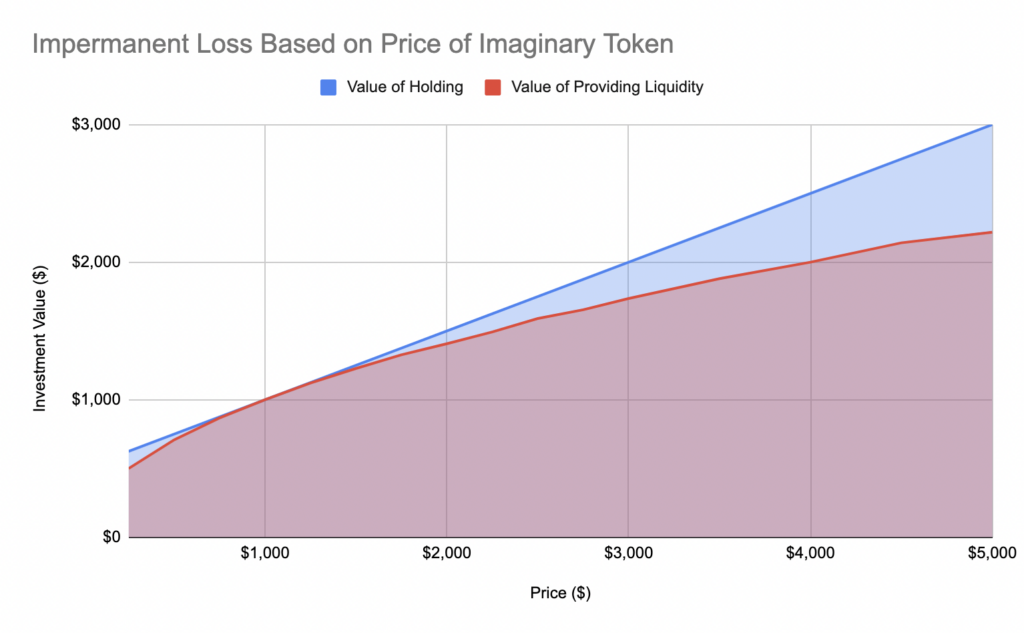
2. Impermanent Loss
Providing liquidity exposes you to price divergence.
Even with high APY, losses can offset gains.
3. Rebalancing Costs
Strategies require adjustments.
Each rebalance introduces friction and cost.
4. Execution Inefficiencies
Latency, liquidity depth, and routing all impact realized returns.
5. Volatility Drag
High volatility environments can erode compounding efficiency.
The Result?
A 40% APY on paper might compress into something far lower in practice.
Sometimes significantly lower.
So… Where Does Yield Actually Come From?
This is the most important question in DeFi.
Yield doesn’t appear out of nowhere. It is always sourced from somewhere.
Core Sources of Yield:
- Trading Fees
Earned by providing liquidity to markets. - Lending Activity
Borrowers pay interest → lenders earn yield. - Arbitrage Flows
Price inefficiencies corrected by traders generate value transfer. - Liquidations
Risk events create profit opportunities for protocols and participants. - Incentives / Token Emissions
Protocols subsidize participation through rewards.
Not All Yield Is Equal
- Sustainable Yield → Comes from real economic activity (fees, borrowing demand)
- Temporary Yield → Comes from incentives that may disappear
Understanding the difference is critical.
Hidden Value Transfer: The Part Most People Miss
Here’s where things get uncomfortable.
If you don’t understand the system…
You may be the one subsidizing it.
This happens more often than people realize:
- Providing liquidity without modeling impermanent loss
- Farming incentives while absorbing downside volatility
- Chasing APY without understanding risk-adjusted returns
In these cases, your capital is not just earning yield.
It’s enabling someone else to extract it more efficiently.
Same System, Different Outcomes
Two users can interact with the same protocol — and get completely different results.
Why?
Because they operate differently:
Retail Behavior:
- Focus on headline APY
- React to trends
- Optimize for short-term gains
Advanced Participants:
- Model expected outcomes
- Analyze cost structures
- Evaluate risk exposure
- Optimize net returns over time
Institutions:
- Treat strategies like portfolios
- Simulate scenarios before deploying capital
- Prioritize consistency over hype
The Key Difference?
Understanding.
The Shift: From Yield Chasing to Yield Engineering
DeFi is evolving.
We’re moving from:
“Where is the highest APY?”
To:
“What is the most efficient, risk-adjusted strategy?”
This shift introduces a new paradigm:
Yield Engineering
Instead of chasing returns, users:
- Model expected performance
- Manage downside risk
- Optimize capital allocation
- Focus on net outcomes, not headline numbers
Yield becomes something you design, not just consume.
From Guessing to Structure: Enter Vault Infrastructure
This is where structured solutions come in.
Vault systems — like Concrete Vaults — are designed to reduce the gap between perception and reality.
They help by:
- Automating allocation across strategies
- Managing rebalancing dynamically
- Reducing execution inefficiencies
- Minimizing human error
Instead of manually navigating complex systems, users gain:
Structured exposure to yield strategies.
🚨 Explore Concrete at app.concrete.xyz 🚨
The Core Insight
At its core, yield is not a number on a screen.
It is:
- Revenue
- Minus costs
- Adjusted for risk
Once you understand that, everything changes:
- You stop chasing APY
- You start evaluating systems
- You think in terms of outcomes, not promises
Final Thought
DeFi didn’t eliminate complexity.
It just hid it behind better interfaces.
And in markets:
If you can’t explain where your yield comes from —
you’re probably the one providing it.