DeFi made yield easy to see. But it made it much harder to understand. Dashboards show numbers. APYs update in real time. Returns appear to compound effortlessly. But most users never stop to ask: Where is that yield actually coming from? This week, we explore a simple but uncomfortable truth: If you don’t understand the source of your yield — you might be the one providing it.
Start With the Illusion Modern DeFi UX is built for simplicity. -- High APYs displayed front and center -- One-click deposit → earn flows -- Clean dashboards with minimal friction It feels seamless. Deposit → sit back → earn. But underneath that simplicity is a system of moving parts: Strategies, risks, costs, and trade-offs. Yield looks simple. The reality is not.
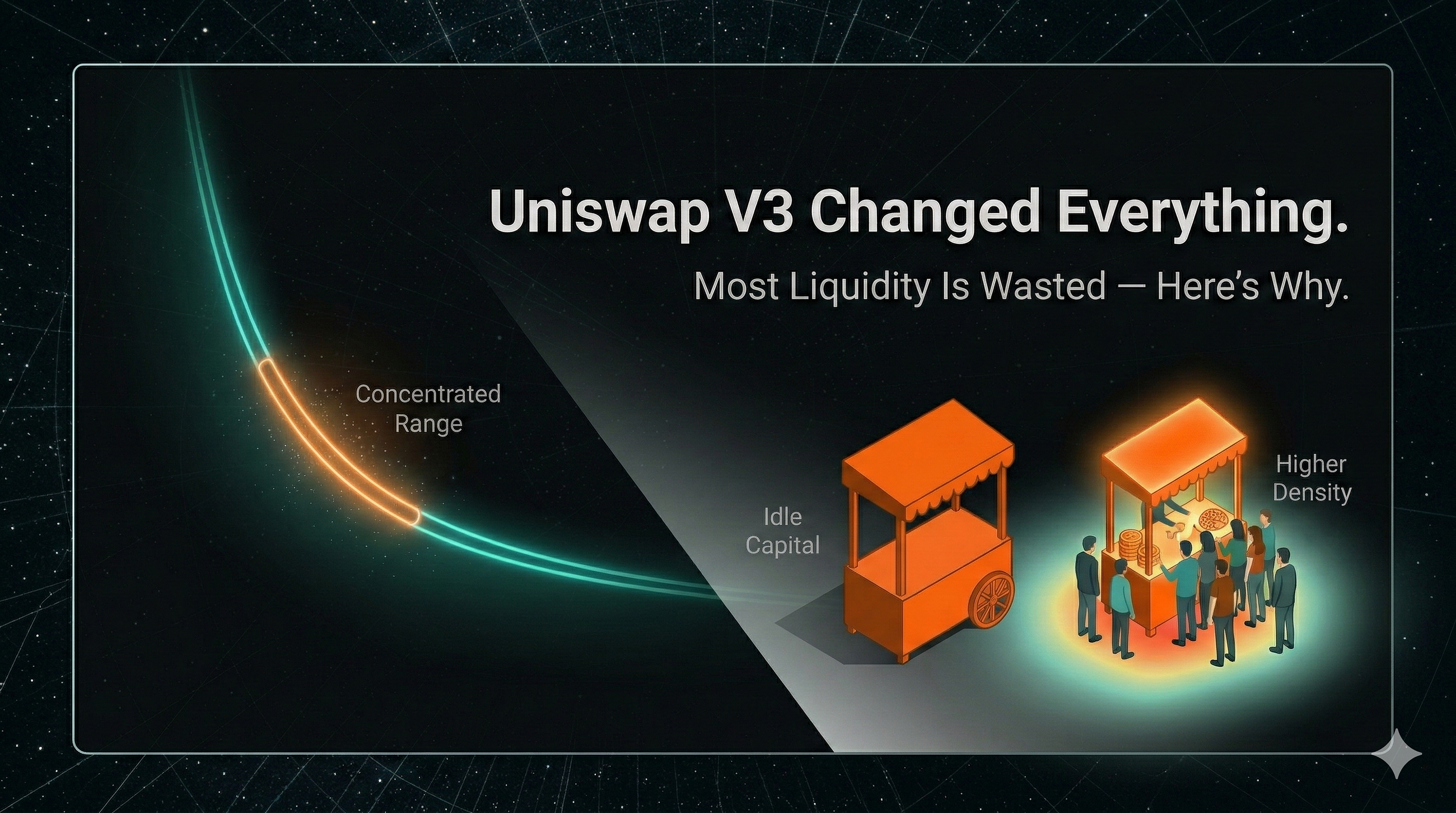
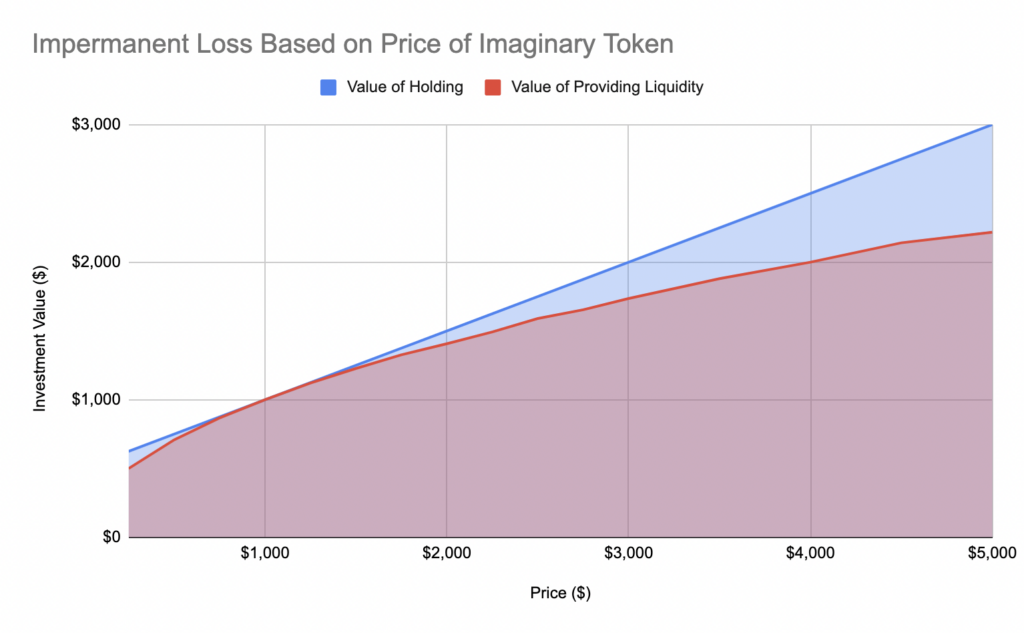
The Gap Between Displayed and Real Yield The APY you see is rarely the full story. Several factors quietly eat into returns: -- Gross vs net yield -- Impermanent loss -- Gas and rebalancing costs -- Slippage and execution inefficiencies -- Market volatility That “20% APY” can quickly become far less in practice. What’s displayed is often optimized for attraction, not accuracy.
Where Yield Actually Comes From Yield doesn’t appear out of nowhere. It comes from real economic activity: -- Trading fees from liquidity -- Borrowing demand in lending markets -- Arbitrage opportunities -- Liquidation penalties -- Token incentives and emissions But here’s the key: Not all yield is equal. Some is: Sustainable (driven by real usage) Temporary (driven by incentives)
Understanding the difference is everything.
Hidden Value Transfer Here’s where it gets uncomfortable. If you don’t understand the system… You might be the one subsidizing it. Examples: -- Providing liquidity without pricing risk -- Chasing incentives while absorbing downside -- Entering strategies without modeling outcomes In many cases: Your “yield” is someone else’s profit.
Why Outcomes Differ Two users can enter the same vault… And leave with completely different results. Why? Because of how they approach the system: -- Some chase high APY -- Others analyze structure, cost, and risk -- Advanced participants model outcomes before entering
Same system. Different mindset. Understanding creates edge.
The Shift Toward Engineered Yield DeFi is evolving. We’re moving from: Yield chasing to Yield engineering This means: -- Modeling expected returns -- Managing downside risk -- Optimizing allocation over time -- Focusing on net outcomes, not headline APY The future of DeFi isn’t about finding yield. It’s about designing it.
How Concrete Vault Infrastructure Fits In This is where Concrete changes the game. Instead of manually navigating complex strategies, Concrete Vaults provide structured exposure. They: -- Automate capital allocation -- Execute optimized strategies -- Rebalance positions dynamically -- Reduce human error and inefficiencies This shifts users from: Guessing and chasing to Structured, managed yield exposure Concrete abstracts complexity while preserving performance.
The Core Insight Yield is not just a number on a dashboard. It is: Revenue – Costs – Risk Once you understand that… You stop chasing APY And start evaluating systems. That’s the difference between participating in DeFi… And actually understanding it.
Explore Concrete at app.concrete.xyz
This article was originally published on Blockchain Tag and is republished here under RSS syndication for informational purposes. All rights and intellectual property remain with the original author. If you are the author and wish to have this article removed, please contact us at [email protected].
NexaPay — Accept Card Payments, Receive Crypto
No KYC · Instant Settlement · Visa, Mastercard, Apple Pay, Google Pay

 Elyonmatthew2 min read·Just now