If You Can’t Explain Yield, You Are the Yield
 Nguyenhint2 min read·Just now
--
I used to think DeFi was pretty simple:
Deposit → see high APY → leave it → money makes money.
But after taking a few hits, I realized:
yield looks easy, but understanding it is not.
1. The “illusion” of yield
Open any DeFi app and you’ll see:
- 20%, 50%, even 100%+ APY
- Clean, simple UI
- Just deposit and “earn”
It feels effortless.
But the truth is:
that number is only the surface.
2. Displayed APY ≠ real profit
A real example:
I once provided liquidity in a pool showing ~60% APY.
Sounds great, right? After a month:
- Token prices diverged → impermanent loss
- Fees weren’t enough to offset it
- Reward token dumped hard
Result: barely any profit, sometimes even a loss.
That’s when it clicked:
high APY doesn’t mean high returns.
3. Where yield actually comes from
After digging deeper, I realized yield usually comes from:
- Trading fees (paid by traders)
- Borrowing demand (lending)
- Arbitrage opportunities
- Liquidations
- Incentives (token emissions)
Example:
- Stablecoin pools → mostly fee-based → more stable
- Incentive-heavy pools → high APY but often unsustainable
Not all yield is equal.
4. When you are the yield
This is the painful part 😅
Example:
You jump into a pool just because of high APY, without understanding it.
- You earn reward tokens
- The token price drops
- Early users or insiders already exited
=> Their profit… comes from you.
Or:
You provide liquidity during high volatility
→ You absorb the risk
→ Traders profit from swaps
You think you’re farming yield…
but you might be the one being farmed.
5. Why outcomes are different
Two people enter the same pool, but results differ:
- Beginners → chase APY
- Experienced users → factor in fees, IL, risk
Some even:
- Backtest strategies
- Calculate expected returns
- Actively manage positions
Same system.
Different understanding → different outcomes.
6. From chasing to engineering yield
Over time, I changed my approach.
Instead of asking: “Which APY is highest?”
I started asking:
- Where does this yield come from?
- Is it sustainable?
- What risks am I taking?
That’s when I understood:
yield engineering, not chasing returns, but designing them.
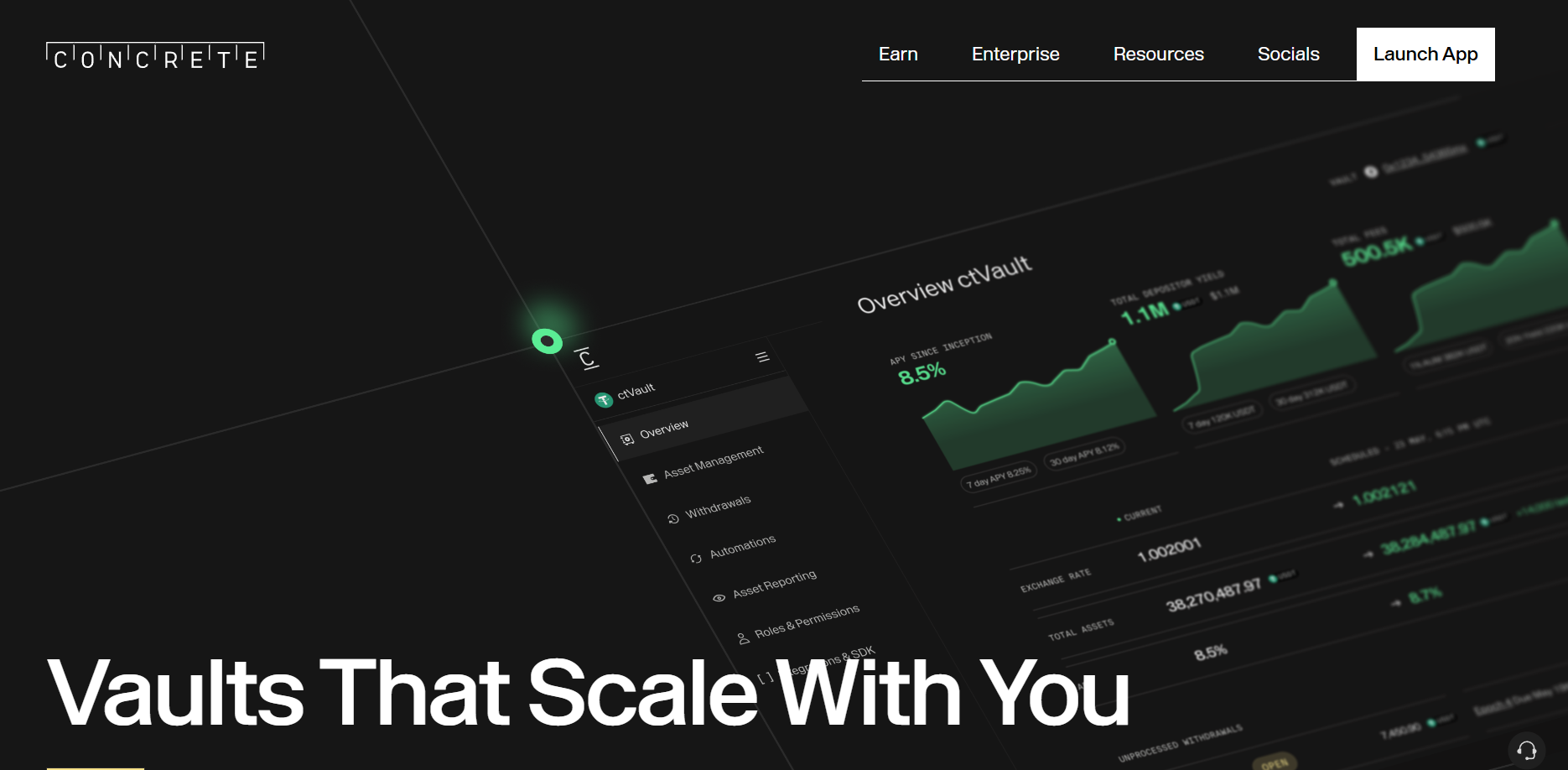
7. The role of Concrete Vaults
In reality, not everyone has time to calculate all of this.
That’s why solutions like Concrete Vaults make sense:
- Automated capital allocation
- Strategy execution
- Continuous rebalancing
- Fewer manual mistakes
It’s like moving from guessing → structured investing.
👉 Explore Concrete at app.concrete.xyz
8. Simple takeaway
At the end of the day:
Yield is not just APY.
It is:
- What you earn
- Minus costs
- Adjusted for risk
If you don’t understand those three things,
there’s a good chance…
you are the yield.