If You Can’t Explain Yield, You Are the Yield
--
Yield Looks Easy. It Isn’t.
DeFi made everything look too clean.
You deposit, you earn, number goes up. APY updates in real time and it feels like the system just prints yield. But most people don’t stop and ask where that yield actually comes from.
That’s where things get tricky.
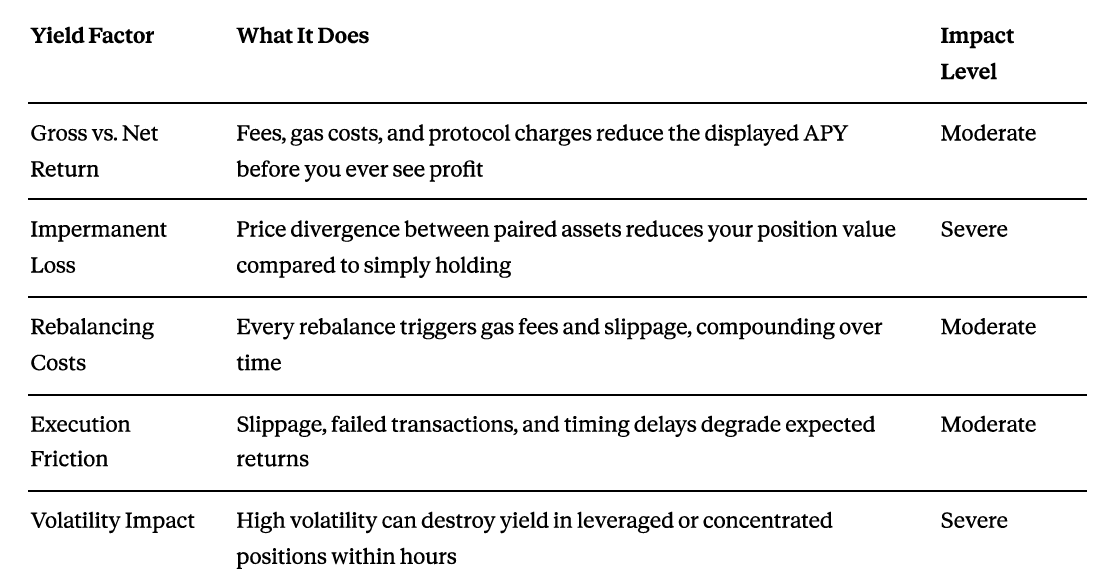
The number you see is rarely the number you get. There’s always things behind it — fees, volatility, timing, small losses that stack over time. It doesn’t look big at first, but it adds up.
Yield isn’t magic. It’s coming from somewhere in the system. Trading activity, lending, liquidations, incentives. Some of it is real, some of it is temporary.
And sometimes, you are the one paying for it.
Not in obvious way, but slowly. Maybe you provide liquidity without understanding risk. Maybe you earn rewards but take on more downside than you think. Maybe you enter too late when yield already peaked.
Different users, same opportunity, very different outcome.
Some people just follow the highest APY. Others try to understand structure, risk, and what’s actually sustainable. That’s usually where the difference shows.
DeFi is changing because of this. It’s not only about chasing anymore, it’s more about building strategies that make sense over time.
Concrete Vaults are part of that shift. They handle the parts most users get wrong. Allocation, rebalancing, adjusting positions — it’s done automatically instead of manually.
So users don’t have to guess every move.
At some point you realize yield is not just a number on screen. It’s what’s left after everything else — costs, risks, timing.
Once you see that, you approach DeFi very different.
Explore Concrete at app.concrete.xyz 🚨