If You Can’t Explain Yield, You Are the Yield.
--
DeFi made yield easy to see. But the same time, made it much harder to understand.
Yeah, dashboards show numbers in real time + APYs tick upward with the allure of compound interest, and the user flow is intoxicatingly simple:
Deposit → Earn. It feels like magic
But magic is just a mechanism you don’t yet understand. And in capital markets, if you don’t understand the mechanism powering your return, you’re often not the beneficiary of the trick. You are the trick!!
Start With the Illusion
If you open any major DeFi front-end today. The visual language is designed to remove friction and, inadvertently, remove caution.
> There is a Dashboard Glow: You see "32.4% APY" in a soothing green font.
> The Simple Flow: You click "Deposit," approve the transaction, and watch a number tick up every second.
> The Missing Explanation: The source of that 32.4% is often buried in a tiny "i" icon or a dense documentation page that most of us skip.
This creates a dangerous asymmetry. The interface is simple, so the brain assumes the risk is simple. The core tension is this: Yield looks like a fixed deposit on the surface, but underneath, it is a live, volatile, and often adversarial market dynamic.
Breaking Down the Gap Between Displayed and Real Yield
The number flashing on the dashboard is what we call Gross Display Yield. It is almost never what ends up in your wallet. To understand Net Real Yield, you must subtract the hidden friction.
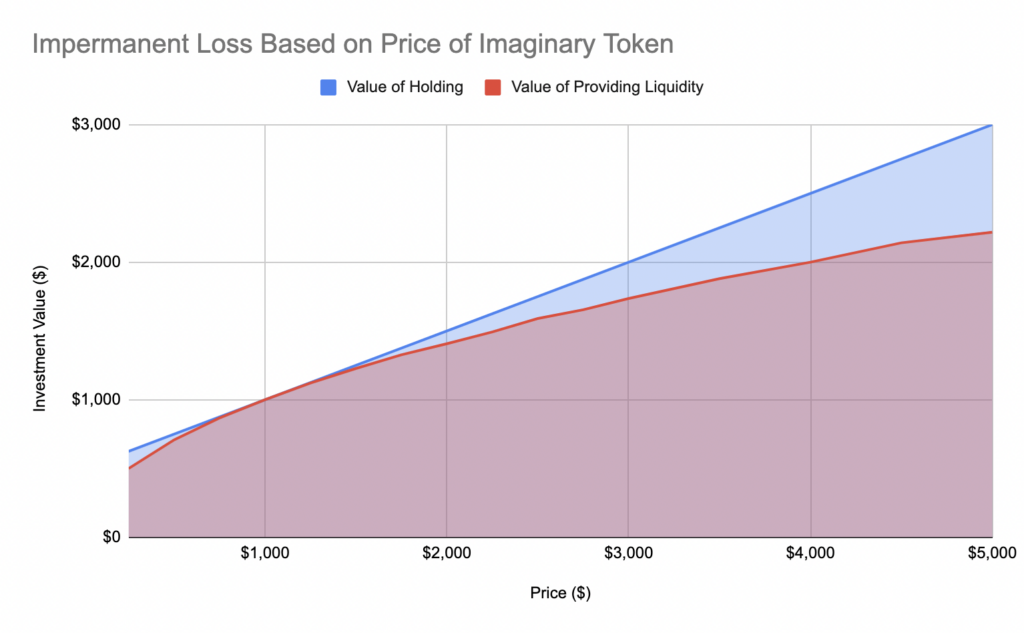
- Impermanent Loss (IL): The APY says you’re earning 30%, but the ratio of the two assets in the pool has diverged by 15%. You are now holding more of the losing asset. You are earning tokens just to offset the value you’re losing to the pool’s arbitrage mechanics.
- Rebalancing & Gas Costs: If you’re in an active strategy, the yield is generated by constant repositioning. Every harvest and compound transaction costs gas. On L2s, this is negligible; on L1s, this can eat 20%+ of small positions.
- Volatility Drag: An APY paid in a highly inflationary governance token (often called "farm dust") can look huge in dollar terms until that token drops 80% over the month you’re locked.
When you factor in IL and fee compression, a 40% APY can easily become a negative 5% return relative to simply holding the assets.
Explaining Where The Yield Actually Comes From
If yield isn't free money, where does it come from?
It falls into two distinct buckets:
1. Organic Market Activity vs
2. Temporary Incentives.
The Golden Rule: Yield from Fees and Lending is revenue. Yield from Emissions is inflation. Confusing the two is where portfolios go to die.
The Idea of Hidden Value Transfer
This is where the article's title materializes.
In every market transaction, value moves from the Less Informed to the More Informed.
> The Arbitrageur vs. The LP: When a large price swing happens, a bot instantly rebalances the pool against you. You provided the inventory for that trade. You enabled the arbitrageur’s profit. You didn’t lose money due to a hack. You lost it because you didn’t model the pool’s rebalancing risk.
> The Incentive Dump: A protocol offers 1,000% APY in $FARM token. You buy the underlying asset to farm it. Early insiders and VCs, who have unlocks, use your buy pressure to exit their positions. You absorb their selling pressure while holding a bag of $FARM that trends to zero. You were the exit liquidity.
If you cannot point to the exact counterparty paying you that yield, be it a trader, a borrower, or a liquidated user, you are the counterparty paying them.
Outcomes Differ, why?
If users A and B both put $10,000 into the same ETH/USDC pool on the same day, why might one end up with more money than the other six months later?
> User A, let’s call him The APY Chaser: Deposits, walks away, checks price daily, panics when APY drops, withdraws during high gas fees.
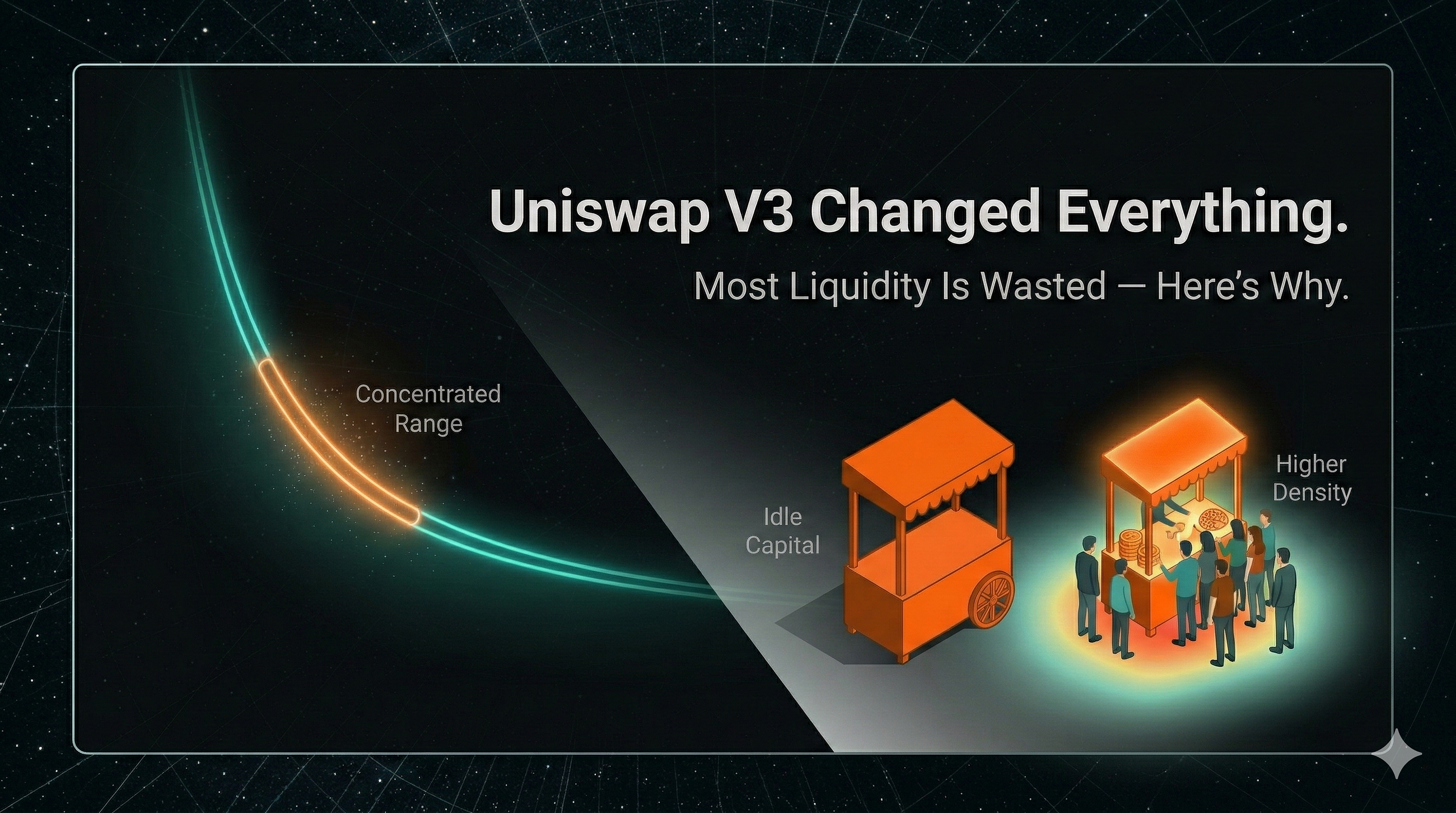
> User B, a Structured Analyst: Calculates the correlation of assets to mitigate IL. Sets a range in a concentrated liquidity position. Monitors fee APR minus token emissions.
> Institutions: They do not look at the dashboard APY. They run Monte Carlo simulations to model worst-case drawdowns vs. yield over 10,000 market scenarios.
Same system. Different understanding. Radically different outcomes.
There should be a Shift Towards Engineered Yield
The market is maturing beyond the click farm era. We are witnessing a shift from yield chasing to yield engineering.
Yield Engineering means:
· Modeling Outcomes: Knowing the probability of IL before you deposit.
· Managing Risk: Hedging the token exposure you're earning.
· Optimizing for Net Returns: Focusing on basis points of fee capture rather than flashy emission percentages.
· Automated Discipline: Removing the human urge to chase the new hot pool every Tuesday.
Connecting This to Concrete Vault Infrastructure
This shift toward engineered yield requires infrastructure that bridges the gap between simple UI and complex reality. That’s where concrete vaults fit into the stack.
Instead of manually juggling positions across five different protocols to capture the real yield while avoiding the fake yield, concrete vaults allow users to:
- Automate Allocation: Deploy capital across curated, risk-adjusted strategies without 24/7 portfolio management.
- Optimize for Net Return: Strategies within the vault are designed to manage rebalancing costs and minimize the impact of volatility, aiming for sustainable growth rather than just a high number on the screen.
- Reduce Manual Errors: By removing the need for constant harvesting and rebalancing, you avoid the behavioral mistakes that transfer value to bots and more sophisticated actors.
This allows users to move from Guessing → Structured Exposure.
Yield in DeFi is not a gift. It is a payment for services rendered: you provided liquidity, you lent capital, or you assumed risk.
But the number on the screen is a liar. It’s a gross estimate before taxes, before costs, and before the market eats your lunch.
The only yield that matters is:
Revenue Generated - Costs & Friction - Volatility & Risk Adjustment
When you start thinking of yield as Risk-Adjusted Net Revenue, your entire approach to DeFi changes. You stop chasing rainbows and start building foundations.
Stop looking at the APY, you start understanding where the money comes from.
Everyone in Defi should explore Concrete Vaults for automated, structured exposure to DeFi’s most sustainable strategies.
🔗 app.concrete.xyz