Sup Mallick3 min read·1 hour ago
--
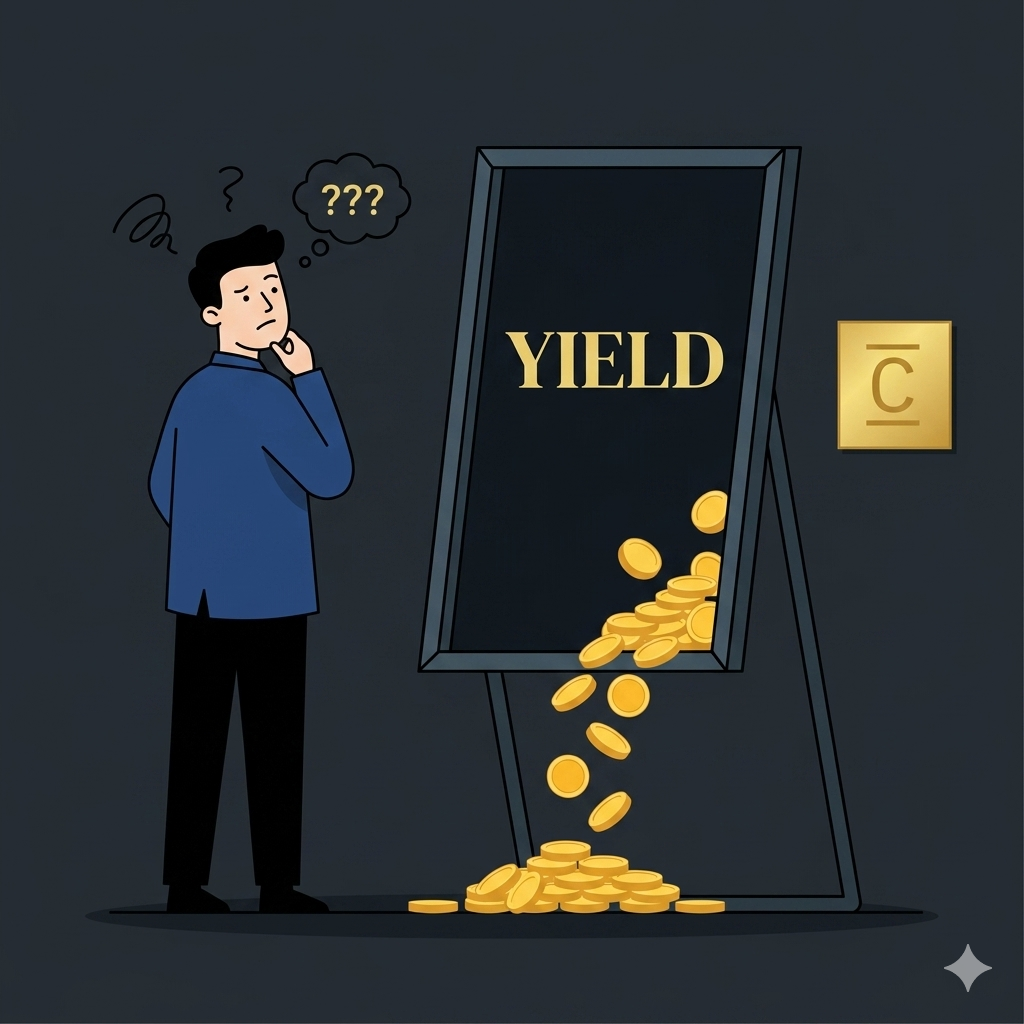
If You Can’t Explain Yield, You Are the Yield 🧱
DeFi made yield incredibly easy to see.
But it also made yield much harder to understand.
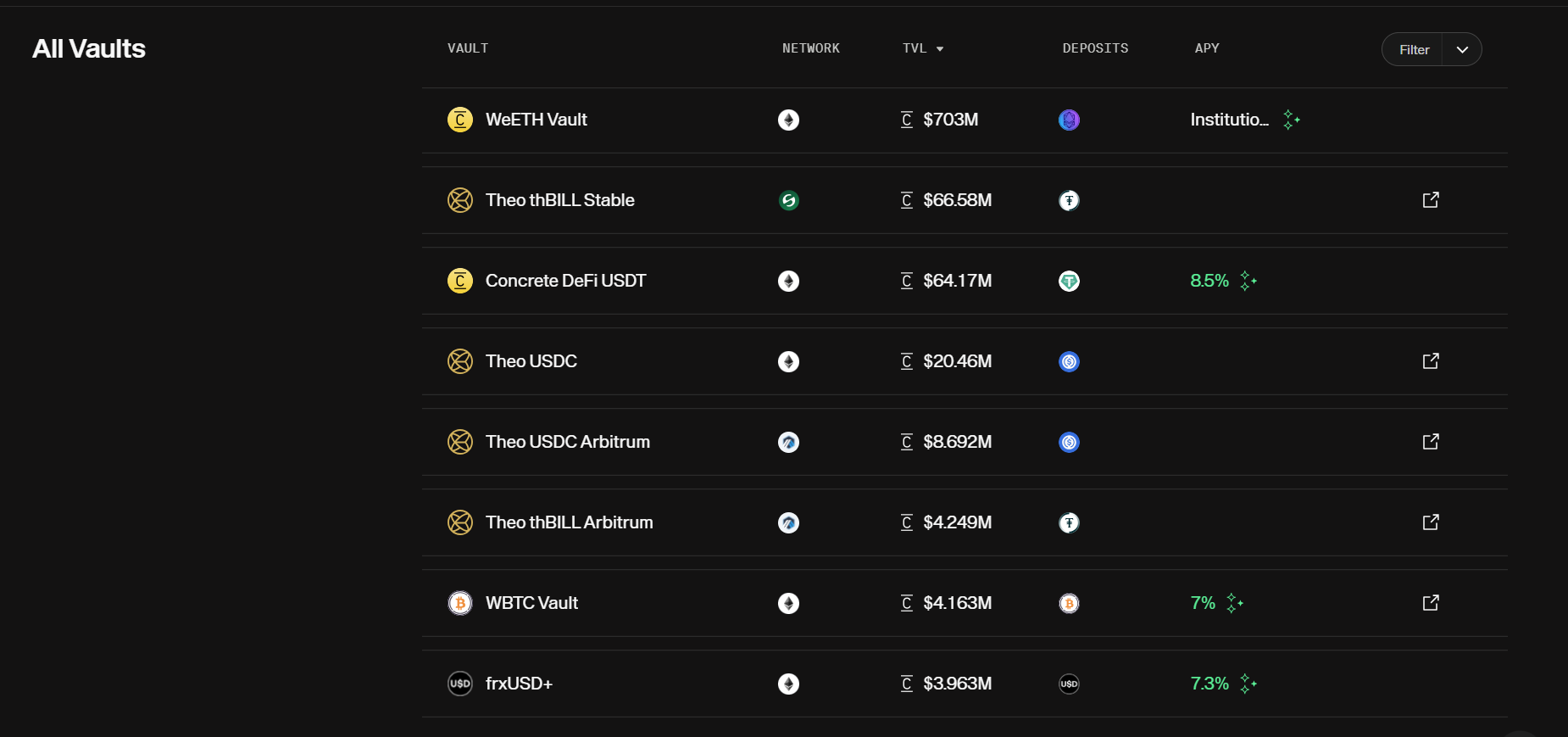
Open any dashboard and you’ll see it immediately — high APYs, clean interfaces, and simple flows that promise rewards with just a few clicks.
Deposit.
Earn.
Compound.
On the surface, it feels effortless.
But behind every attractive yield number lies a deeper system — one that many users never fully examine.
And that leads to the most important question in DeFi:
Where is that yield actually coming from?
---
The Illusion of Simple Yield
Modern DeFi interfaces are designed to simplify complexity.
You see a percentage.
You click deposit.
Your balance grows.
It feels predictable.
But yield is rarely simple under the hood.
High APYs are often presented without full context. The mechanics behind those returns — strategy execution, trading costs, volatility exposure — are usually hidden from view.
This creates a gap between what users see and what is actually happening.
Yield looks clean on the surface.
Reality underneath is anything but.
---
The Gap Between Displayed and Real Yield
The number shown on a dashboard is usually not the number you actually earn.
Displayed yield often represents gross return, not net return.
And between those two numbers lies friction.
That friction includes:
Impermanent loss from liquidity positions
Rebalancing costs from maintaining strategy targets
Execution fees and slippage
Market volatility impacting position value
Each of these quietly reduces performance.
A pool showing a high APY might appear attractive, but once costs and risks are accounted for, that yield can compress dramatically.
Sometimes, what looks like profit becomes break-even — or even loss.
---
Where Yield Actually Comes From
Yield does not appear out of thin air.
Every return in DeFi originates from somewhere.
Common sources include:
Trading fees generated by swap activity
Lending interest paid by borrowers
Arbitrage profits captured during price differences
Liquidation rewards during market stress
Token incentives and emissions distributed to attract liquidity
But not all yield is equal.
Some sources are sustainable — tied to real activity like trading or borrowing.
Others are temporary — fueled by incentives that eventually disappear.
Understanding this difference is critical.
Because temporary yield often looks identical to sustainable yield — until it isn’t.
---
The Hidden Transfer of Value
There is a hard truth in financial markets:
If you don’t understand how value moves, you may be the one providing it.
This hidden transfer happens more often than people realize.
For example:
Providing liquidity without understanding volatility exposure
Earning incentives while absorbing downside risk
Participating in strategies without modeling possible outcomes
In these cases, yield is not free.
It is earned by someone — and funded by someone else.
Sometimes, that someone is you.
That is the meaning behind the phrase:
If you can’t explain yield, you are the yield.
---
Same System, Different Outcomes
Two users can enter the same pool — and walk away with very different results.
Why?
Because outcomes are shaped by understanding.
Some participants chase the highest APY they see.
Others analyze:
Strategy structure
Risk exposure
Cost layers
Market conditions
Institutions take this even further.
They model expected outcomes before deploying capital. They simulate scenarios, estimate downside, and measure long-term performance.
Same system.
Different thinking.
Different results.
---
From Yield Chasing to Yield Engineering
DeFi is beginning to shift.
The early phase was dominated by yield chasing — jumping from one opportunity to the next in search of the highest return.
The next phase is about yield engineering.
That shift includes:
Modeling expected performance
Managing risk exposure
Optimizing allocations
Focusing on net returns, not headline numbers
Yield is no longer just about finding opportunity.
It’s about designing exposure.
---
How Structured Vaults Change the Game
This is where structured vault infrastructure plays a powerful role.
Tools like Concrete Vaults help reduce the guesswork involved in managing complex strategies.
Instead of manually adjusting positions, users gain access to automated systems that:
Allocate capital across strategies
Rebalance positions when conditions change
Manage exposure over time
Reduce manual execution errors
This moves users away from reactive decisions and toward structured participation.
From guessing — to engineered exposure.
---
The Core Insight
Yield is not magic.
It is math.
More specifically:
Yield = Revenue − Cost − Risk
That equation defines every outcome in DeFi.
When you understand that, your perspective changes.
You stop chasing numbers.
You start analyzing systems.
You stop reacting.
You start designing.
Because in the end, the difference between earning yield and becoming yield often comes down to one thing:
Understanding.
---
🚨 Explore Concrete at app.concrete.xyz 🚨