I Tried Crypto Mining From My Apartment. It Lasted Three Weeks.
 Patrick Anderson9 min read·Just now
--
Why I gave up on home mining and finally let someone else handle the noise.
Three weeks. That is exactly how long I lasted trying to run an ASIC miner in my one-bedroom apartment before my girlfriend threatened to move out, my electricity bill doubled, and I realized I had no idea what I was doing.
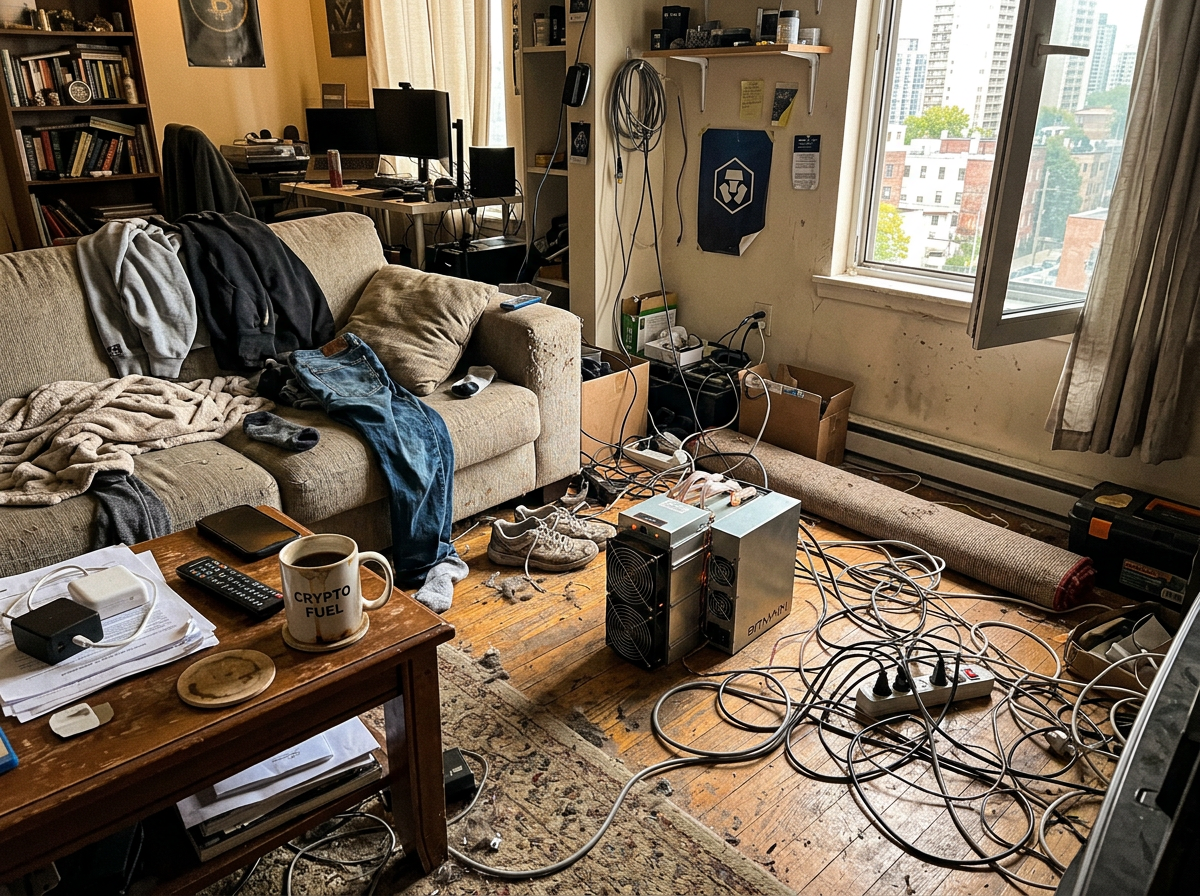
I bought a used Antminer off a Facebook group because the price looked good. The seller said it was “plug and play.” It was not plug and play. It sounded like a jet engine idling in my living room. The heat was unreal. I spent more time watching YouTube tutorials about ventilation than actually mining anything. By day twenty-one, I sold it at a loss and told myself mining was not for me.
That was six months ago. Now I have four miners running in a data center in Norway, I check my dashboard maybe twice a day, and I do not hear a single fan. I am writing this because I wish someone had told me about hosted mining before I turned my apartment into a sauna.
What Is Hosted Mining and Why Home Mining Does Not Work
Hosted mining means you buy the hardware, but a professional facility runs it for you. They handle electricity, cooling, maintenance, and security. You own the machine. You get the rewards. You just do not have to live with it.
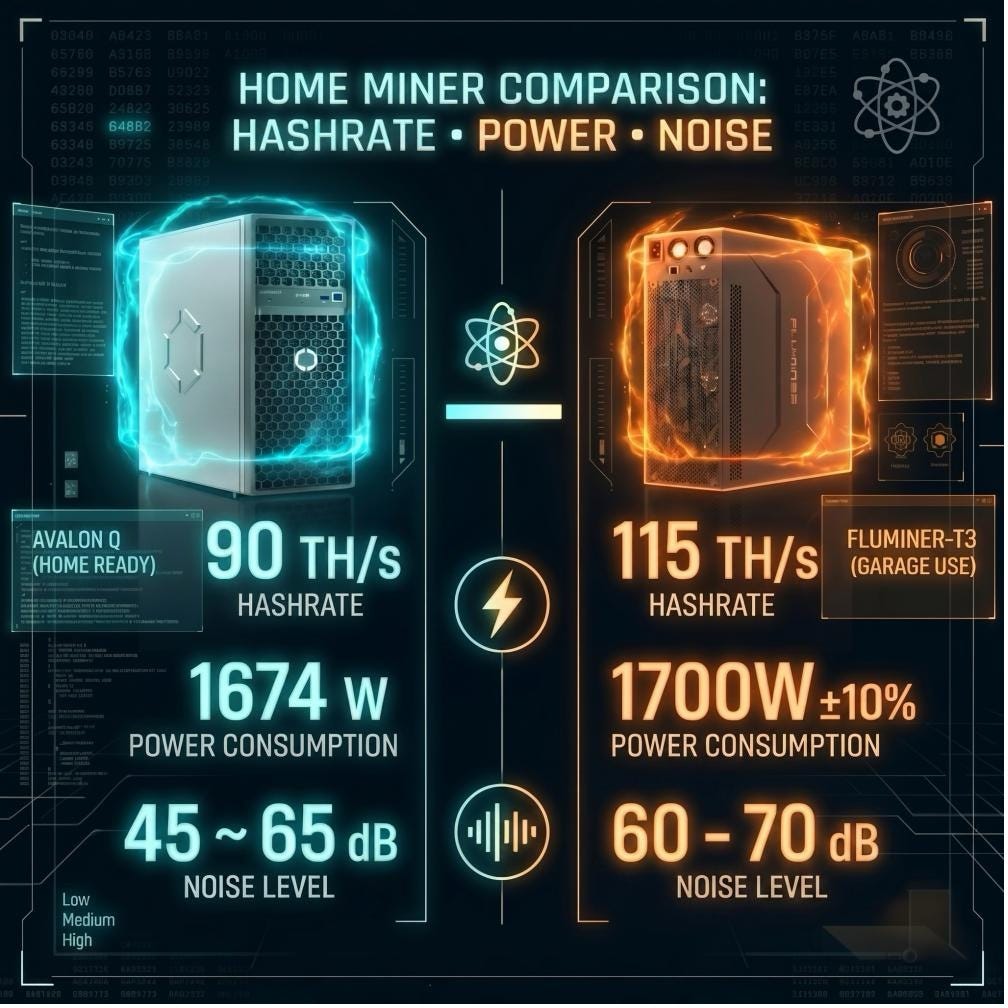
Home mining fails for most people because of three things: electricity cost, noise, and heat. Residential power in most countries is too expensive to make mining profitable. A single ASIC miner runs at 3,000 watts or more, which is like running a space heater 24/7. The noise is 75 decibels or higher, which is louder than a vacuum cleaner. Unless you have a garage, basement, or dedicated space with industrial power, you are losing money and sanity.
That is why hosted mining exists. It solves the problems home miners cannot solve on their own.
The Best ASIC Mining Platforms I Looked At
After the apartment disaster, I spent two weeks researching hosted mining companies. I wanted to find the best ASIC mining platform for someone who does not have cheap industrial power at home. Here are the main ones I considered:
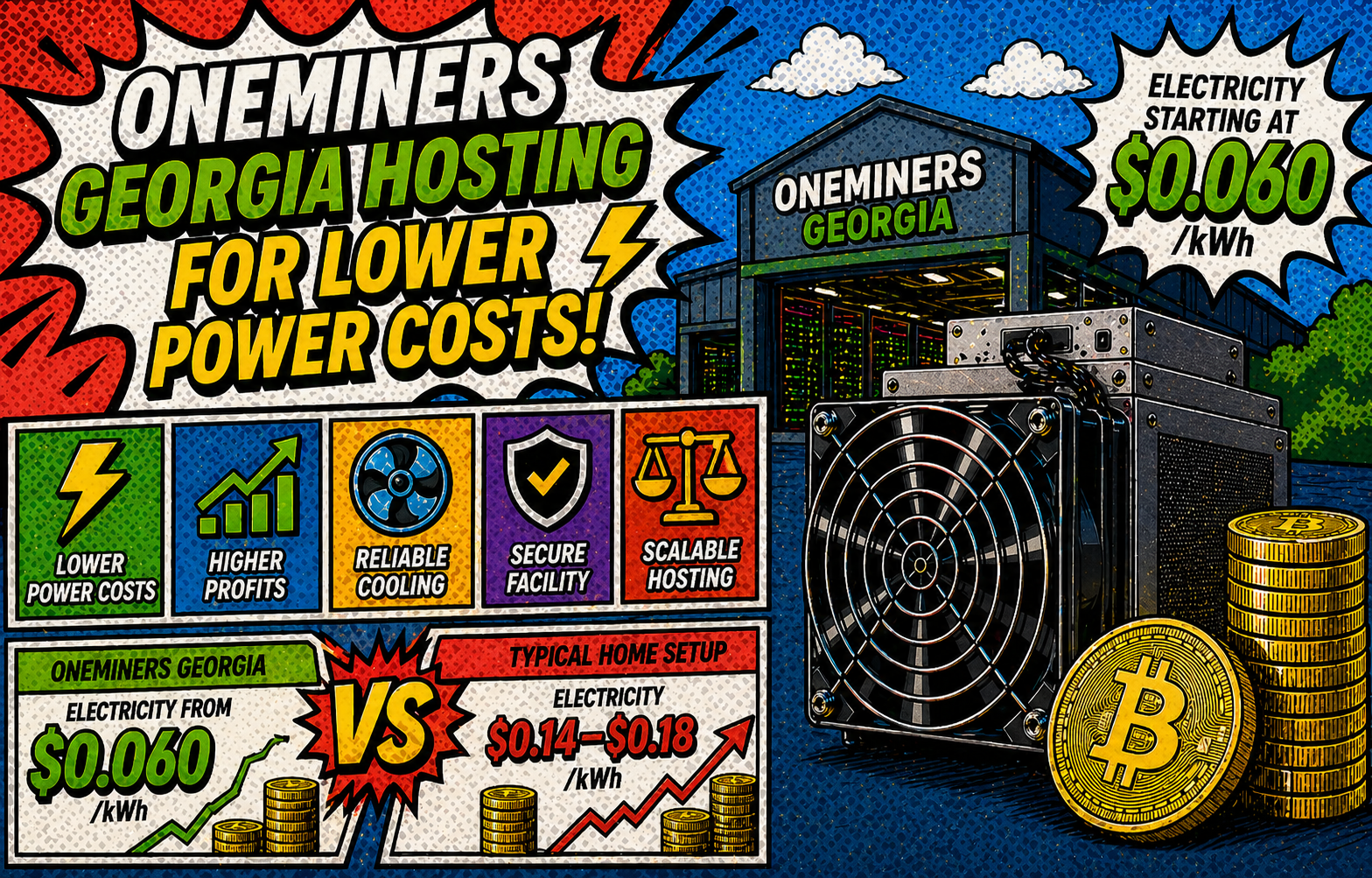
OneMiners kept coming up in mining forums. Not from influencers. From regular people saying they had miners running in Norway and the US with no issues. They offer both full miner hosting and a shared miner option where you can buy as little as one percent of a machine. Electricity rates start around four cents per kilowatt hour in some locations. They have facilities in Norway, the United States, Dubai, and Paraguay. They also have a Pay Later option where you put down 25 percent upfront and pay the rest over time.
Genesis Mining is one of the older names in the space. They have been around since 2013 and offer cloud mining contracts. The downside is you do not own the hardware. You are buying hashrate, not a machine. If the company changes terms or shuts down, you have nothing physical to show for it.
NiceHash is different. It is a marketplace where you can buy or sell hashrate. You do not own miners at all. You are essentially renting someone else’s computing power. It is flexible but not true mining ownership. For someone who wants to actually own the hardware and have it hosted, NiceHash is not the right fit.
Bitfarms and Riot Platforms are public mining companies. They run massive facilities and sell stock, but they do not really offer individual hosted mining for retail customers. If you want to invest in mining as a stock play, they are options. If you want your own machine hosted somewhere, they are not.
After comparing all of them, I went with OneMiners because they were the only platform that let me start small, own actual hardware, and scale up without a huge upfront payment. The Pay Later feature was the deciding factor. Most platforms want full payment immediately. OneMiners did not.
OneMiners Review: What You Actually Get
I started with the shared miner option. I bought ten percent of a Bitcoin miner hosted in Norway. The dashboard went live the next day. I could see my worker, the real-time hashrate, the daily rewards, and the electricity cost getting deducted automatically.
After two months of consistent payouts, I bought a full miner. Then another. Then I used Pay Later for a third. Here is what the experience actually looks like.
Electricity costs are transparent. In Norway, I pay around four cents per kilowatt hour. In the US, it is higher, around six to seven cents. The dashboard shows exactly what you are paying and where. There are no hidden fees.
The AI Smart Mining feature automatically switches your machine to the most profitable pool. I turned it on after my first month and saw a small but real increase in daily rewards. It is optional, but there is no reason not to use it.
Support is available through WhatsApp, Telegram, and email. I messaged them about moving a miner to a different facility and got a response in under an hour. It was a real person, not a chatbot. That matters because most crypto companies take days to reply, if they reply at all.
Maintenance is included. When one of my machines had a hardware issue, their tech team diagnosed and fixed it in about thirty hours. I did not ship anything. I did not open a miner. They just handled it.
Security includes 24/7 monitoring, surveillance, and insurance. The facilities are professional data centers, not warehouses with extension cords.
OneMiners vs Genesis Mining
Genesis Mining is a cloud mining platform. You buy a contract, they mine for you, and you get payouts. The problem is you do not own the hardware. If Genesis changes its contract terms or goes under, your investment is gone. With OneMiners, you own the miner. If you want to, you can physically take possession of it. That difference matters if you care about asset ownership.
Genesis also requires larger minimum purchases. OneMiners lets you start with a shared miner for a fraction of the cost. For someone testing the waters, OneMiners is more accessible.
OneMiners vs NiceHash
NiceHash is a hashrate marketplace, not a hosting platform. You buy computing power from other miners. It is useful for short-term speculation or testing algorithms, but it is not a long-term mining strategy. You do not own anything. You are renting.
OneMiners is for people who want to own hardware and hold it for months or years. The cost structure is different too. NiceHash prices fluctuate based on demand. OneMiners gives you fixed electricity rates and predictable hosting fees.
OneMiners vs Compass Mining
Compass Mining is probably the closest competitor. They also sell miners and host them in partner facilities. The difference is transparency and flexibility. Compass has had issues with facility partners going offline or changing terms, leaving customers in limbo. OneMiners owns and operates its own facilities, which means there is no middleman to blame when something goes wrong.
Compass also requires full payment upfront for most miners. OneMiners offers Pay Later, which lowers the barrier to entry significantly.
Is OneMiners Legit?
This is the question everyone asks first, and it should be. The crypto space is full of scams.
Here is what I found. OneMiners is a registered company with physical facilities you can verify. They have been operating since 2017. They publish facility locations, including Norway, the US, Dubai, and Paraguay. They have active social media, a YouTube channel with facility tours, and a Trustpilot presence with real reviews.
I also did a small test. I bought the minimum shared miner amount first. I watched payouts for two months before scaling up. Every reward hit my wallet on schedule. The dashboard numbers matched what I saw on the blockchain. That is the only real proof that matters.
No platform is risk-free. Mining profitability depends on Bitcoin price, network difficulty, and electricity costs. OneMiners cannot control those things. But in terms of doing what they say they do, which is host your miner and pay you the rewards, they have been consistent.
Who Is OneMiners Best For?
OneMiners is best for three types of people.
One: beginners who want to start mining without buying a machine and figuring out power and cooling themselves. The shared miner option lets you test mining with a small amount of money.
Two: experienced miners who want to scale but do not have access to cheap industrial electricity. If you live somewhere with expensive power, hosting in Norway or Paraguay is cheaper than running machines at home.
Three: people who want to own hardware but do not want mining to become a second job. The included maintenance, support, and AI pool switching mean you can be hands-off.
The Downsides
I will not pretend everything is perfect. When I signed up, I wanted more documentation about exact facility addresses and equipment serial numbers upfront. I had to ask support for it. They sent it, but it should have been easier to find.
The profit calculators on their website can be optimistic depending on which facility you pick. You should always do your own math. Use a mining profitability calculator with your actual electricity rate and current Bitcoin price. Do not trust any company’s projections blindly.
Also, Pay Later is useful but it is still debt. If Bitcoin price crashes and your miner becomes unprofitable, you still owe the remaining balance. Only use it if you can afford the payments even in a downturn.
How to Start With OneMiners
If you want to try it, here is what I recommend.
Step one: go to the website and look at the shared miner option. Pick a location. Norway has the cheapest electricity. The US is closer if you care about latency for some reason, though for mining it barely matters.
Step two: buy the smallest amount possible. Treat it as a test. Watch the dashboard, track payouts, and verify everything matches.
Step three: if you are satisfied after a month or two, consider scaling up. Buy a full miner or use Pay Later if you want to spread out the cost.
Step four: turn on AI Smart Mining. It is free and it optimizes your rewards.
Step five: set up automatic wallet withdrawals so your rewards go straight to your own wallet. Never leave large amounts on any platform.
Final Thoughts
Six months ago I was a guy who almost burned down his apartment trying to mine Bitcoin on a used Antminer from Facebook. Today I have four miners running in professional facilities, I check an app while drinking coffee, and I sleep through the night without hearing fans.
Hosted mining is not exciting. It is not a get-rich-quick scheme. It is just a practical solution to a practical problem. Most people cannot mine profitably at home. OneMiners solved that for me.
If you are looking for the best ASIC mining platform for beginners, or the best hosted mining service with low electricity costs, or just a legit way to mine Bitcoin without the noise and heat, OneMiners is worth looking at. Start small, verify everything, and never invest more than you can afford to lose.
That is the rule for everything in crypto. OneMiners just made it easier to follow.